En bref
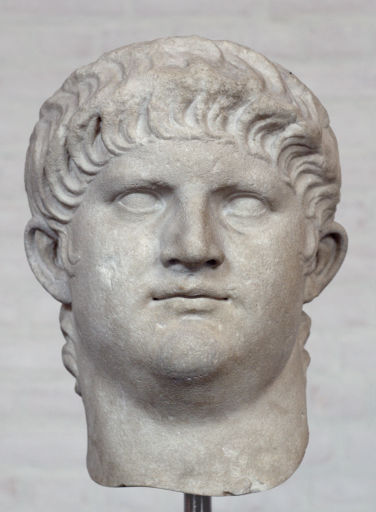
Empereur romain flamboyant, dont les ambitions artistiques et la politique impitoyable sont devenues synonymes de tyrannie et de mise en scène.
Sujets de conversation
Parcours de vie
Né d’Agrippine la Jeune et de Cnaeus Domitius Ahenobarbus durant l’époque julio-claudienne. Sa naissance au sein de l’élite des Domitii le plaça, dès l’enfance, au plus près des rivalités de la politique impériale.
Après des intrigues de cour, Caligula exila Agrippine dans les îles Pontines, séparant le jeune Néron de sa mère. Cet exil l’exposa très tôt aux dangers des luttes dynastiques au sein du pouvoir romain.
Caligula fut assassiné à Rome, et Claude devint empereur dans une atmosphère d’incertitude soutenue par l’armée. Agrippine fut rappelée, rétablissant les liens de Néron avec la cour impériale et ses réseaux de clientèle.
Agrippine épousa son oncle Claude, une union controversée destinée à sécuriser la succession. Elle manœuvra pour mettre Néron au premier plan à la cour, au détriment de Britannicus, le fils de Claude.
Claude l’adopta officiellement, plaçant Néron au-dessus de nombreux rivaux au sein de la maison impériale. Cette adoption lui apporta une légitimité juridique, une visibilité cérémonielle et une voie nettement tracée vers le principat.
Agrippine nomma le philosophe Sénèque comme précepteur, tandis que le préfet du prétoire Sextus Afranius Burrus supervisait la sécurité. Leur influence favorisa une image publique soignée et un gouvernement plus mesuré durant la jeunesse de Néron.
Néron épousa Octavie, fille de Claude et de Messaline, s’attachant ainsi à la famille régnante. Ce mariage, instrument politique, fut étroitement observé par l’aristocratie romaine et les factions de cour.
Claude mourut dans des circonstances suspectes, des sources antiques accusant Agrippine d’empoisonnement. Soutenu par la garde prétorienne, Néron fut proclamé empereur, écartant le jeune Britannicus.
Britannicus s’effondra et mourut subitement pendant un repas public, alarmant la classe politique romaine. Beaucoup de contemporains soupçonnèrent un empoisonnement organisé par l’entourage de Néron pour éliminer une menace dynastique.
Après des années de tensions, Néron ordonna la mise à mort d’Agrippine près de sa villa sur le golfe de Naples. Le crime choqua les élites romaines, le matricide violant de puissants tabous sociaux et religieux.
En Bretagne, Boudicca mena les Icènes et leurs alliés dans un soulèvement majeur, incendiant Londinium et d’autres établissements. Bien que réprimée par Suetonius Paulinus, la révolte révéla les tensions qui pesaient sur l’administration impériale de Néron.
Néron répudia Octavie au milieu de scandales de cour, puis la fit exiler et tuer malgré une forte sympathie populaire. Il épousa Poppée Sabina, dont la position accentua les rivalités au sein du palais et du Sénat.
Un incendie dévastateur ravagea de larges quartiers de Rome, entraînant des secours d’urgence et des projets de reconstruction ambitieux. Néron lança des chantiers, dont la Domus Aurea, et imposa de nouvelles règles sur la largeur des rues et les matériaux.
Pour détourner les rumeurs, Néron accusa les chrétiens et lança des châtiments publics qui marquèrent durablement la mémoire chrétienne du martyre. Des exécutions auraient eu lieu dans les jardins impériaux et dans les arènes, durcissant les divisions sociales.
Un vaste complot associé à Caius Calpurnius Piso fut révélé, déclenchant des arrestations parmi l’élite. Sénèque fut contraint au suicide, signe de l’effondrement du cercle modérateur autour de Néron.
Néron parcourut la Grèce, participant à des concours musicaux et à des fêtes athlétiques, exigeant d’être acclamé comme artiste. Il accorda des privilèges fiscaux à des cités grecques, mêlant mécénat culturel et propagande impériale.
En Gaule, Caius Julius Vindex se révolta et appela Servius Sulpicius Galba, en Hispanie, à s’opposer à Néron. À mesure que les fidélités se fissuraient, la garde prétorienne changea de camp et le Sénat entreprit de le déposer.
Déclaré ennemi public, Néron s’enfuit de Rome et mourut par un suicide assisté, aurait-on dit avec l’aide de son affranchi Épaphrodite. Sa mort déclencha l’Année des quatre empereurs, plongeant Rome dans la guerre civile.