Quick Facts
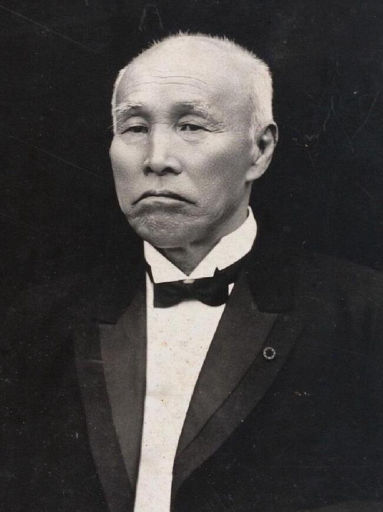
A reform-minded Japanese statesman who modernized finance, championed constitutional politics, and founded Waseda University amid turbulent eras.
Conversation Starters
Life Journey
Born in the Saga Domain to a samurai family as Japan faced foreign pressure and internal strain under the Tokugawa shogunate. His early education blended Confucian learning with growing interest in Western knowledge circulating among reformist domains.
He traveled to Nagasaki, a key gateway for foreign books and technology, to study rangaku (Dutch learning) and Western institutions. Exposure to international trade and modern finance sharpened his belief that Japan needed institutional reform to survive.
As political tension intensified, he worked with Saga leaders aligned with the imperial cause, arguing for modernization over isolation. The shifting alliances among Satsuma, Choshu, and other domains created openings for ambitious policy thinkers like him.
After the Meiji Restoration toppled the shogunate, he took posts in the emerging central government that sought to build a modern nation-state. He supported policies that replaced domain autonomy with centralized administration and nationally coordinated taxation.
He backed the Haihan-chiken reforms that dissolved feudal domains and established prefectures under Tokyo’s authority. The change reduced daimyo power and enabled uniform fiscal policy, a foundation for later industrial and military expansion.
He rose in influence as the government grappled with funding modernization, the conscript army, and new infrastructure. Debates over paper currency, taxation, and budget discipline made his administrative skill valuable amid factional rivalry.
As Finance Minister, he pursued tighter budgeting and more coherent revenue systems to stabilize state finances. His policies helped the government manage the costs of railways, education, and military reforms while reducing fiscal disorder from the 1870s.
Political conflict and the Hokkaido Colonization Office controversy led to his dismissal, revealing deep divisions over patronage and constitutional timing. The crisis accelerated promises for a national constitution and pushed him toward organized party politics.
He founded the constitutional reform party Rikkai Kaishinto to press for parliamentary government and cabinet accountability. In the same year he established Tokyo Senmon Gakko, later Waseda University, aiming to educate leaders for a modern polity.
He re-entered government as leaders prepared the Meiji Constitution and negotiated unequal treaties with Western powers. His pragmatic stance sought international credibility while expanding domestic political participation through emerging parliamentary institutions.
A nationalist attacker threw a bomb at him, and the injury required amputation of his right leg, becoming a defining public ordeal. He continued political work despite disability, turning personal resilience into a symbol of service in a volatile era.
With the Imperial Diet convening, he worked to make party politics compatible with oligarchic leadership and the new constitutional order. Budget disputes and cabinet instability highlighted the struggle between elected representatives and Meiji elder statesmen.
He became Prime Minister in the Kenseito cabinet, often described as Japan’s first cabinet formed by political parties. The experiment was brief, but it demonstrated that parliamentary majorities could challenge oligarchic control over governance.
He was elevated to the kazoku peerage, reflecting recognition from the imperial state even as he remained a party-oriented reformer. From this platform he influenced education, public debate, and cabinet formation in a rapidly industrializing Japan.
He returned as Prime Minister as World War I reshaped Asia-Pacific diplomacy and Japan expanded its international role. His cabinet sought domestic stability and managed pressures from party factions, the bureaucracy, and an increasingly assertive press.
The Oura scandal, involving allegations of bribery linked to Home Minister Oura Kanetake, damaged public trust and parliamentary cooperation. Facing political paralysis, he resigned, underscoring the fragility of early party-based governance.
He died as Japan entered the Taisho era’s mass-politics phase, having helped normalize parties and parliamentary debate. Waseda University stood as a lasting institutional legacy, linking civic education to national modernization ambitions.