Datos rápidos
Un monarca siamés astuto que expandió el comercio, patrocinó el renacimiento budista y condujo Bangkok a través de convulsiones regionales.
Inicios de conversación
Trayectoria vital
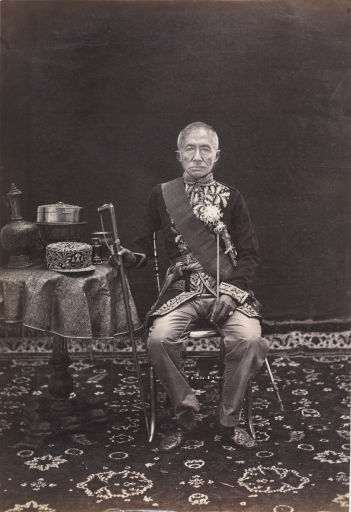
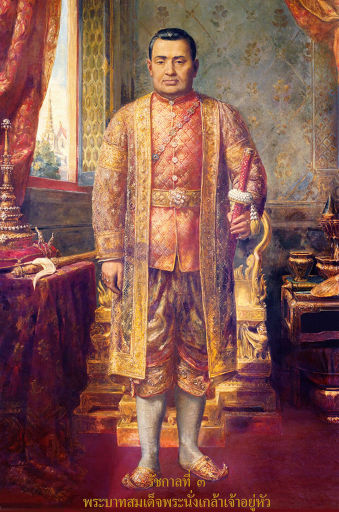
Nació como el príncipe Thap, más tarde conocido como Jessadabodindra, durante la consolidación de la dinastía Chakri en Bangkok. Creció en medio de la política cortesana, marcada por la construcción del Estado bajo el rey Rama I y una guerra regional constante.
Con el cambio de la corte bajo el rey Rama II, el joven príncipe se formó en administración, etiqueta y aprendizaje religioso. Observó cómo la poesía, el ritual y la diplomacia podían reforzar la autoridad real en Bangkok.
Al entrar en la adultez, recibió responsabilidades ligadas a los ingresos y la logística, áreas cruciales para una capital portuaria dependiente del comercio. Los ancianos de la corte y los ministros pusieron a prueba su criterio al darle tareas prácticas más allá de la ceremonia.
Se forjó una reputación por su contabilidad minuciosa y su control eficaz de las concesiones fiscales que conectaban a comerciantes chinos con las finanzas del Estado. Estas experiencias moldearon después su estilo pragmático de gobierno y su preferencia por la solvencia.
Al colaborar estrechamente con comerciantes de juncos chinos y administradores de concesiones fiscales, profundizó los lazos comerciales de Siam con el sur de China. Su enfoque fomentó la inmigración y la empresa, haciendo de Bangkok un entrepôt más activo en las rutas asiáticas.
Se convirtió en uno de los príncipes más influyentes, supervisando funciones fiscales y administrativas importantes que afectaban la estabilidad de la capital. Su eficacia le granjeó apoyo entre funcionarios clave que valoraban la competencia por encima de la estricta antigüedad.
Tras la muerte del rey Rama II, los nobles principales y los líderes de la corte respaldaron a Jessadabodindra como el candidato más capaz. Ascendió al trono como Rama III, priorizando ingresos, defensa y religión para asegurar una sucesión disputada.
Con Gran Bretaña recién dominante en Birmania, afrontó el riesgo de que tratados coercitivos se extendieran a Siam. Siam trató con enviados británicos y reforzó el control de las condiciones comerciales, buscando margen de maniobra sin una confrontación abierta.
Las negociaciones con Henry Burney produjeron un acuerdo que reguló el comercio y reconoció la autoridad de Siam en los estados del norte de la península malaya. El tratado buscaba evitar el conflicto y, al mismo tiempo, impedir que la influencia británica dictara la política interna.
Cuando Chao Anouvong se rebeló, las fuerzas siamesas contraatacaron y reafirmaron el control sobre los principados lao. El conflicto reconfiguró la demografía de la región y reforzó la autoridad de Bangkok a lo largo de la frontera del Mekong.
Rama III enfatizó aduanas, monopolios y concesiones fiscales que convirtieron el comercio en ingresos estatales previsibles. El aumento del tráfico de juncos y de las exportaciones —en especial arroz y productos forestales— financió tanto las necesidades defensivas como grandes construcciones religiosas.
Enviados de Estados Unidos buscaron acuerdos comerciales a medida que los barcos estadounidenses entraban con más regularidad en las rutas asiáticas. Siam se comprometió con cautela, señalando apertura al comercio mientras insistía en el control real sobre los puertos y la jurisdicción legal.
Patrocinó ampliaciones y restauraciones en Wat Pho, apoyando el aprendizaje budista y la piedad pública en la capital. El proyecto combinó devoción y razón de Estado, usando arte monumental e inscripciones para proyectar orden y legitimidad.
Camboya se convirtió en un campo de disputa, ya que Siam y Vietnam respaldaban facciones y administradores rivales. Rama III recurrió a expediciones militares, exigencias de tributo y diplomacia para mantener a Phnom Penh dentro de la órbita estratégica de Siam.
La intervención siamesa ayudó a instalar o sostener líderes favorables a Bangkok durante periodos de inestabilidad y presión vietnamita. Estas campañas fueron costosas, pero Rama III veía a Camboya como un amortiguador que protegía los accesos orientales de Siam.
A medida que su salud se debilitaba, las facciones de la élite sopesaron las pretensiones de príncipes con distintas bases políticas. Rama III buscó estabilidad guiando el consenso, dejando espacio para una transición pacífica en lugar de una contienda violenta en Bangkok.
Rama III murió tras un reinado marcado por finanzas sólidas, patrocinio religioso y una política exterior cautelosa. La sucesión del rey Mongkut abrió una nueva era de diplomacia de tratados y una aceleración del vínculo con Occidente.