Chumi
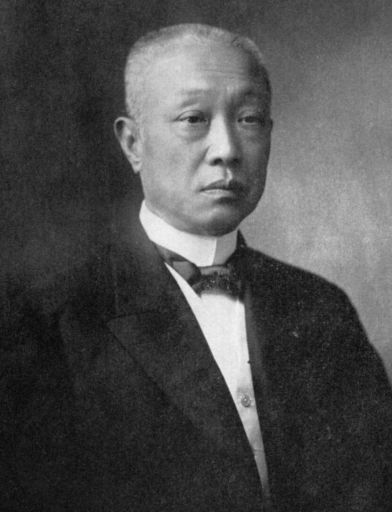
Saionji Kinmochi

Saionji Kinmochi

Statesman

Start Chat

AI Personality

Quick Facts

Serving twice as Prime Minister of Japan
Advancing party government during the Taisho era
Acting as an influential genro advising the emperor

Life Journey

1849Born into the Saionji court-noble house

Born to the Kyoto kuge Saionji family, he grew up near the imperial court as Tokugawa rule weakened. Early education in classical learning and court etiquette prepared him for Meiji-era state service.

1868Aligned with the Meiji Restoration government

As the Boshin War ushered in the Meiji Restoration, he moved into the new political world forming around the emperor. He entered government circles that sought to modernize institutions and centralize authority.

1871Departed for Europe to study modern politics

He traveled to Europe, spending formative years in France as the Third Republic consolidated after the Franco-Prussian War. Immersion in parliamentary debates and legal culture shaped his constitutional and party-oriented outlook.

1876Witnessed European political movements firsthand

In France he observed republican politics, press culture, and mass mobilization, contrasting them with oligarchic governance in Japan. These experiences later informed his preference for civilian cabinets and compromise politics.

1880Returned to Japan and entered high government service

Back in Japan, he joined the Meiji state’s expanding bureaucracy and advisory networks around leaders like Ito Hirobumi. He positioned himself as a modernist aristocrat comfortable with Western diplomatic norms.

1882Helped build constitutional governance under the new regime

He participated in policymaking during the years leading to the Meiji Constitution, when institutions such as the cabinet and peerage were being refined. His court background made him a valuable bridge between tradition and reform.

1889Became a central figure in the new constitutional order

With the promulgation of the Meiji Constitution, he operated within a political system balancing imperial prerogative, the Diet, and elder statesmen. He increasingly advocated practical cooperation with elected politicians to stabilize cabinets.

1890Navigated early Diet politics and party conflict

As the first Imperial Diet opened, confrontations between the government and parties over budgets and authority became routine. He pushed for negotiated solutions rather than repression, anticipating the later rise of party cabinets.

1895Worked within the post–Sino-Japanese War expansion

After Japan’s victory over Qing China, domestic debates intensified over modernization, taxation, and military expansion. He supported state strengthening while warning that unchecked militarism could destabilize constitutional government.

1900Helped consolidate party-aligned politics around Ito’s reforms

As Ito Hirobumi founded the Rikken Seiyukai to manage Diet majorities, Saionji became a key aristocratic supporter of party coordination. He viewed disciplined party organization as essential for predictable governance and budgeting.

1903Assumed leadership of the Rikken Seiyukai

Following Ito’s withdrawal from direct party leadership, Saionji emerged as a leading figure in the Seiyukai. His prestige and moderation helped unify factions and made him an acceptable prime ministerial candidate to the court.

1906Became Prime Minister for the first time

He formed a cabinet in the aftermath of the Russo-Japanese War, when social unrest and fiscal strain challenged the state. His government sought administrative stability while navigating party demands and military budget pressures.

1908Stepped down amid intense political and budget disputes

Conflicts over spending priorities and the balance of power between the cabinet, parties, and the services undermined his first ministry. He left office as elder statesmen and bureaucratic forces reasserted influence over cabinet formation.

1911Returned as Prime Minister during the late Meiji transition

He led a second cabinet as Emperor Meiji’s era ended and political tensions sharpened over military autonomy. His administration confronted pressures that would soon erupt into the Taisho Political Crisis over army appointments.

1912Resigned during the Taisho Political Crisis

When the army and genro clashed with party politicians over the power to block cabinets, mass protests and elite maneuvering destabilized his government. His resignation illustrated how military leverage could override parliamentary majorities.

1913Became the last dominant genro and imperial adviser

After the deaths of senior elder statesmen, he became the most influential genro counseling Emperor Taisho and, later, the young Emperor Showa. He used this role to favor party cabinets and restrain more extreme militarist proposals.

1919Represented Japan at the Paris Peace Conference

As a leading delegate, he participated in negotiations shaping the post–World War I order alongside figures like Woodrow Wilson and Georges Clemenceau. He supported Japan’s international standing while navigating controversy over racial equality proposals.

1924Backed party cabinets in the era of Taisho democracy

He influenced imperial decisions to appoint party leaders, reinforcing the norm that cabinets should rest on Diet majorities. His behind-the-scenes choices helped sustain a fragile parliamentary system amid economic and social change.

1932Struggled to contain militarism after the May 15 Incident

After Prime Minister Inukai Tsuyoshi was assassinated, he faced a political landscape increasingly dominated by the services and nationalist violence. His influence waned as military leaders pushed expansion following the Manchurian crisis.

1940Died as Japan moved toward total-war governance

He died as party politics collapsed under wartime mobilization and the Imperial Rule Assistance Association formed. His long career symbolized the fading hope that constitutional party government could restrain authoritarian militarism.

Chat