Quick Facts
A formidable Gupta emperor who fused battlefield conquest with poetic learning, shaping classical India’s political and cultural zenith.
Conversation Starters
Life Journey
Born into the Gupta dynasty during a period of rising northern Indian power. Courtly education in Sanskrit, statecraft, and martial training prepared him for contested succession politics.
Under palace tutors and ministers, he studied dharma, diplomacy, and the rhetoric of royal praise used in Sanskrit courts. Exposure to military drills and administration built confidence among elite clans.
As Chandragupta I’s prominence grew, factional nobles weighed rival princes and alliances. Samudragupta’s reputation for composure and talent helped secure support among key court families and commanders.
After Chandragupta I’s reign, Samudragupta assumed imperial authority amid potential rival claims. Early proclamations emphasized legitimate succession, righteous kingship, and readiness to punish disloyalty.
He moved quickly against nearby opponents in the Gangetic region to stabilize the core of the empire. Victories ensured revenue flow to Pataliputra and deterred wavering chiefs from rebellion.
Royal strategy combined direct annexation of key territories with harsh punishment for recalcitrant rulers. By redistributing offices and lands, he tied new elites to the Gupta administrative center.
Campaigns pushed into forested and riverine corridors linking the north to the Deccan. Control of routes improved troop movement and trade, reinforcing the empire’s fiscal and logistical capacity.
He marched deep toward the south, defeating multiple regional kings while avoiding overextension. The expedition emphasized demonstrating supremacy, extracting tribute, and restoring defeated rulers as dependents.
Rather than permanent occupation everywhere, he used submission, hostages, and tribute to bind frontier polities. This flexible system projected Gupta prestige while minimizing administrative strain far from Pataliputra.
Diplomatic exchanges and strategic intimidation shaped relations with border communities and trading regions. By channeling gifts and titles, the court reinforced a hierarchy that placed the Gupta emperor at its apex.
Court intellectuals crafted narratives portraying him as an ideal conqueror and protector of dharma. The language of praise connected military success to cosmic order, shaping how subjects understood imperial power.
A major Sanskrit eulogy, associated with the court poet Harisena, publicized victories and the submission of numerous rulers. Set at Prayagraj, it turned conquest into enduring political memory and legitimacy.
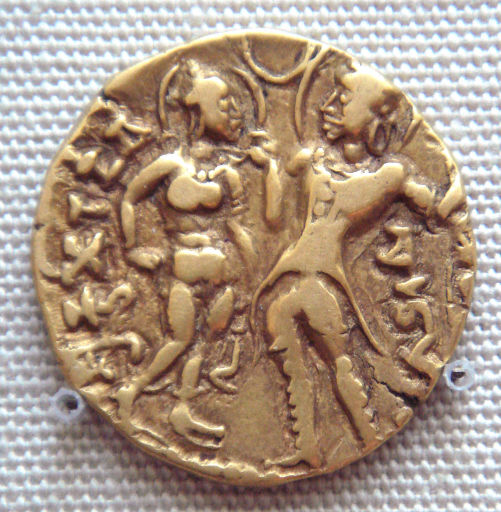
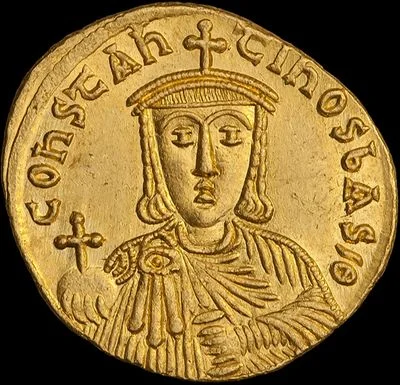
Gupta mints issued gold coins that blended economic function with propaganda about kingship and victory. Iconography and legends circulated the emperor’s image across markets, temples, and military pay chests.
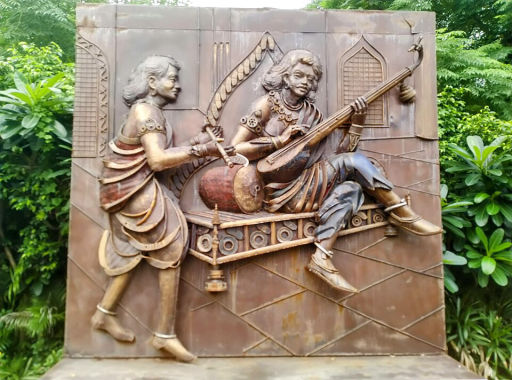
Patronage supported Sanskrit learning, performance traditions, and refined courtly manners that unified elites. Grants and honors drew scholars and artists to the capital, reinforcing loyalty through prestige and access.
Late in reign, attention shifted to stable governance, appointments, and preparing a capable successor. Administrative continuity helped preserve the conquests and the tributary system beyond a single ruler’s charisma.
After decades of expansion and consolidation, Samudragupta died with the empire at its most confident phase. The transition enabled later rulers to build on his conquests and cultural model of imperial authority.