Quick Facts
A pragmatic, reform-minded warlord who toppled a corrupt dynasty and founded Shang rule through alliances, ritual, and discipline.
Conversation Starters
Life Journey
Born into the Shang lineage during the waning authority of the Xia court. Later tradition places his upbringing amid shifting alliances in the Yellow River plain, where local lords watched Xia King Jie’s growing abuses.
As a youth he absorbed martial training and the ceremonial duties expected of an emerging Shang leader. Elders emphasized ancestor veneration and disciplined governance, ideas that later strengthened his coalition-building and legitimacy.
He rose within Shang ranks as a capable organizer, mediating disputes among allied lineages. Regional competition intensified as Xia administrators demanded heavier levies, giving Shang leaders reason to coordinate defensively.
Tang strengthened Shang standing by forging ties with neighboring groups through diplomacy and strategic marriages. These relationships provided grain, manpower, and intelligence, creating a base for challenging Xia control without immediate open war.
Accounts portray Tang promoting fairer administration to contrast with Xia excesses under King Jie. By rewarding merit and curbing arbitrary punishments, he presented Shang rule as morally compelling to wavering local rulers.
Tang’s coalition shifted from quiet resistance to open challenge as reports of Jie’s harsh rule spread. Shang envoys courted dissatisfied lords, framing rebellion as a righteous correction to restore order in the realm.
Later sources say Xia forces seized Tang to break Shang momentum and intimidate allies. His survival and eventual release became part of Shang memory, portraying him as steadfast under pressure and favored by Heaven’s will.
After regaining freedom, Tang tightened command structures and improved supply planning for a major campaign. Control of river crossings and granaries in the Central Plains helped sustain allies and reduced dependence on uncertain local tribute.
Traditions connect Tang with speeches condemning Jie’s cruelty and calling for humane rule. By tying military action to virtue and ancestral approval, he attracted defectors and made the uprising appear restorative rather than merely ambitious.
Several local rulers reportedly shifted allegiance as Tang’s coalition proved durable and disciplined. These defections weakened Xia communications and created corridors for Shang troops, turning a regional revolt into a broad-based dynastic challenge.
Tang led a multi-polity force into contested territory, relying on allied contingents and coordinated signaling. Campaign narratives emphasize careful timing and restraint, seeking to isolate Jie politically before delivering a decisive battlefield defeat.
At Mingtiao, Tang’s army confronted Xia loyalists in a clash later remembered as the turning point of dynastic change. The Xia ruler Jie lost support and was driven from power, allowing Shang leadership to claim the realm.
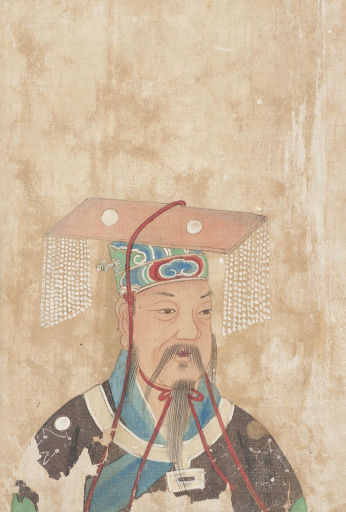
Following victory, Tang assumed kingship and established Shang rule, presenting it as a legitimate succession. He rewarded allies, reorganized offices, and elevated ancestral rites to bind the new state around shared religious-political practice.
Tang is credited with appointing trusted ministers and strengthening protocols for tribute, justice, and military service. By pairing administrative order with major ceremonies, he linked governance to sacred obligation and stabilized a fragile new dynasty.
Later moral histories portray him responding to scarcity with frugality and efforts to ease burdens on commoners. Whether literal or idealized, these stories helped define the image of a king who ruled by restraint and responsibility.
To prevent Xia remnants or rival clans from regrouping, Tang maintained alliances through gifts, marriages, and negotiated obligations. These arrangements extended Shang influence across the Central Plains while limiting the need for constant warfare.
Shang tradition emphasized communication with ancestors, and Tang’s reign is remembered for elevating these rites to state practice. Formal offerings and divination reinforced royal authority by portraying policy decisions as aligned with ancestral will.
Tang’s death marked the end of the dynasty’s founding generation but left a functioning political core. Succession traditions credit him with a durable model of kingship that later Shang rulers adapted to expanding territorial control.