Datos rápidos
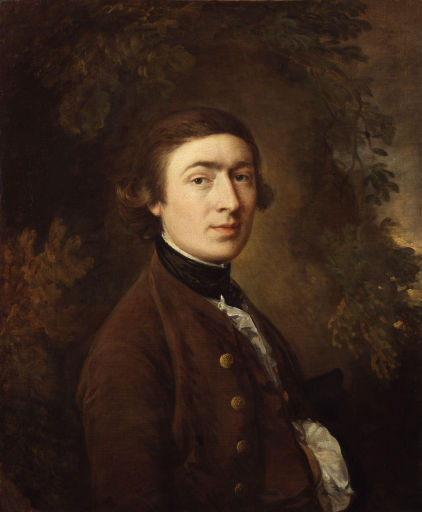
Retratista y paisajista inglés de lirismo singular, cuya pincelada aérea captó la elegancia aristocrática y la poesía del campo.
Inicios de conversación
Trayectoria vital
Nació en Sudbury, Suffolk, hijo de John Gainsborough, comerciante de paños, y Mary Burroughs. Al crecer entre el paisaje de Anglia Oriental y una cultura marcada por el comercio, desarrolló pronto una fascinación por el dibujo y el entorno rural.
De adolescente se trasladó a Londres para buscar una formación artística formal y conocer el gusto metropolitano. Las tiendas de grabados, los teatros y las academias de la ciudad afinaron su sentido de la composición y del retrato de moda.
Se formó con el grabador francés Hubert-Francois Gravelot, asimilando la elegancia rococó y una línea refinada. Esa base de diseño y gracia teatral influyó después en las poses y los atuendos de sus retratos.
Participó en la Academia de St Martin's Lane, una animada asociación de artistas vinculada a William Hogarth. El grupo fomentaba el dibujo del natural y la experimentación, lo que le ayudó a desarrollar un toque independiente y pictórico.
Se casó con Margaret Burr, quien aportó una renta anual que alivió las presiones de los inicios de su carrera. Esa seguridad le permitió centrarse en la pintura en lugar de depender únicamente de encargos inciertos y ventas especulativas.
Volvió a Sudbury para forjarse una reputación entre la pequeña nobleza y los comerciantes de Suffolk. Los encargos de retratos lo sostuvieron, mientras seguía pintando paisajes inspirados en caminos, setos y campos familiares.
Realizó "El señor y la señora Andrews", combinando un elegante retrato doble con un paisaje de finca observado con minuciosidad. El cuadro refleja la propiedad de la tierra y el gusto georgianos, vinculando identidad con lugar y patrimonio.
En busca de un mecenazgo más amplio, se instaló en Ipswich, una activa ciudad portuaria con familias prósperas. Allí perfeccionó su negocio de retratos mientras seguía cultivando el paisaje como pasión privada y laboratorio artístico.
Se trasladó a Bath, entonces el balneario más de moda de Gran Bretaña, frecuentado por nobles y visitantes adinerados. La vida social de la ciudad le aseguró encargos constantes y bien pagados, y lo empujó hacia retratos elegantes de cuerpo entero.
Su estudio en Bath se hizo conocido por una aplicación de la pintura fluida y por semblanzas favorecedoras de la élite georgiana. La competencia con artistas como Joshua Reynolds elevó el listón y ayudó a definir el retrato británico moderno.
Se unió a la recién fundada Real Academia de las Artes en Londres, institución clave para el prestigio artístico británico. Las exposiciones académicas ampliaron su alcance, aunque a veces chocaba con su política y jerarquía.
Se trasladó a Londres para asegurarse los modelos más influyentes y los mecenas vinculados a la corte. Trabajar cerca del centro del mercado del arte le dio mayor fama, pero también intensificó la presión por priorizar el retrato sobre el paisaje.
Recibió encargos relacionados con el rey Jorge III y la reina Carlota, lo que reforzó su prestigio entre la clase dirigente británica. El patronazgo real lo confirmó como uno de los principales pintores de la imagen pública de la era georgiana.
A comienzos de la década de 1780 mostró retratos con una pincelada cada vez más aérea y efectos de telas centelleantes. El enfoque equilibraba el parecido con la atmósfera, haciendo que los retratados parecieran animados por la luz más que por un modelado pesado.
Pintó el icónico retrato de cuerpo entero conocido como "El niño de azul", mostrando un virtuosismo notable en el satén y en los azules fríos. La obra dialoga con maestros anteriores como Anthony van Dyck y, a la vez, afirma una voz británica moderna.
Frustrado por las decisiones de colocación de las obras y la política interna, dejó de exponer allí y mostró su trabajo de forma independiente. El episodio subraya su temperamento independiente y su deseo de controlar la presentación ante el público y los mecenas.
Murió en Londres tras un periodo de salud debilitada, dejando un legado mayor en el retrato y el paisaje. Fue enterrado en la iglesia de St Anne, en Kew, y se le recuerda por su pincelada musical y su naturalismo poético.