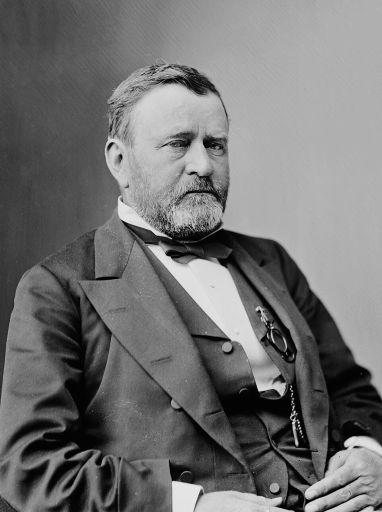
Informações rápidas
Um general da União implacável que se tornou presidente, lutou na Guerra Civil, defendeu a Reconstrução e enfrentou escândalos e uma grave doença.
Iniciadores de conversa
Jornada de vida
Nasceu de Jesse Root Grant e Hannah Simpson Grant em uma cidade ribeirinha moldada pela economia de fronteira de Ohio. Os valores metodistas da família e a ética do trabalho árduo influenciaram seu temperamento reservado e firme desde a infância.
Indicado para West Point, chegou com um erro burocrático no nome que o deixou registrado como Ulysses S. Grant. Destacou-se com cavalos e por disciplina constante, embora não fosse um aluno excepcional no desempenho acadêmico.
Formou-se em 21.º lugar em uma turma de 39 e recebeu uma comissão como segundo-tenente brevet no 4.º Regimento de Infantaria dos Estados Unidos. O pequeno e profissional corpo de oficiais do exército do período pré-guerra tornou-se sua rede para toda a vida.
Sob os generais Zachary Taylor e Winfield Scott, participou de grandes combates em Monterrey e Veracruz e depois no avanço até a Cidade do México. Mais tarde chamou a guerra de injusta, mas aprendeu logística e a manter a calma sob fogo.
Casou-se com Julia Boggs Dent, filha de uma família do Missouri que possuía escravos, ligando-o a um mundo social diferente. A relação foi afetuosa e duradoura, e o apoio dela o sustentou em reveses e separações.
Isolado em postos remotos e separado da família, renunciou à comissão após anos de pressão e rumores sobre bebida. De volta à vida civil, lutou com dinheiro, reputação e para encontrar trabalho estável.
Mudou-se para Galena e aceitou um emprego na loja de artigos de couro da família, administrada por Jesse Root Grant. O trabalho modesto no balcão contrastava fortemente com sua formação militar e evidenciava o quanto havia caído socialmente.
Após Fort Sumter, treinou recrutas e ajudou a organizar o 21.º Regimento de Infantaria de Illinois, conquistando rapidamente o comando. Sua competência administrativa e urgência serena se destacaram enquanto a União corria para formar um exército.
Capturou Fort Donelson e exigiu “rendição incondicional”, frase que eletrizou a opinião do Norte e o tornou uma figura nacional. A vitória abriu os rios do Tennessee e elevou a confiança após os primeiros reveses da União.
Surpreendido perto de Pittsburg Landing, seu exército sofreu pesadas perdas até que reforços permitiram o contra-ataque e a vitória. Embora criticado pelas baixas, recusou-se a recuar, moldando sua reputação de persistência implacável.
Após marchas ousadas e operações de cerco, forçou a rendição de Vicksburg em 4 de julho, com milhares de confederados capitulando. A vitória, junto com Gettysburg, marcou um ponto de virada e exibiu sua audácia operacional.
O presidente Abraham Lincoln o promoveu a tenente-general, confiando-lhe a coordenação da estratégia nacional em múltiplos teatros. Trabalhou em estreita parceria com William T. Sherman, pressionando ofensivas simultâneas para esgotar os recursos confederados.
Combateu na Wilderness, em Spotsylvania e em Cold Harbor, sofrendo perdas severas, mas avançando continuamente rumo ao sul, em direção a Richmond. Sua abordagem buscava usar a mão de obra e a indústria da União para desgastar o exército insubstituível de Lee.
Em 9 de abril, encontrou-se com Robert E. Lee e ofereceu termos generosos, permitindo que soldados confederados voltassem para casa com seus cavalos. O encontro respeitoso ajudou a facilitar a transição da guerra para a paz e tornou-se uma imagem nacional definidora.
Aproveitando a fama de guerra, venceu a presidência como republicano, prometendo assegurar a paz da União e proteger os direitos das pessoas libertas. Seu governo apoiou políticas de Reconstrução em meio à resistência violenta no antigo território confederado.
Sancionou medidas de aplicação e usou o poder federal contra o Ku Klux Klan para defender o direito de voto de pessoas negras. O esforço refletia sua crença de que a vitória nacional exigia proteger a cidadania contra o terror e a intimidação.
Após o Congresso aprovar as Leis de Aplicação, seu governo processou a violência da Klan, especialmente nas Carolinas, com agentes federais e tropas. Milhares foram presos, enfraquecendo por um período o terror organizado contra governos de Reconstrução.
Uma crise financeira desencadeou falências bancárias e desemprego, testando a paciência pública com a Reconstrução e a reforma. Ele resistiu a políticas inflacionárias, enquanto adversários políticos culpavam seu partido e governo por agravar as dificuldades.
Embora pessoalmente visto como honesto, seu governo foi marcado por escândalos como o Anel do Uísque e corrupção de apadrinhamento envolvendo associados próximos. As controvérsias prejudicaram a unidade republicana e impulsionaram demandas por reforma do serviço civil.
Uma firma de investimentos fraudulenta liderada por Ferdinand Ward entrou em colapso, apagando suas economias e humilhando o ex-presidente. A crise o levou a depender da escrita para sustentar Julia Grant e preservar a segurança de sua família.
Incentivado por Mark Twain e publicado pela Charles L. Webster & Company, correu para terminar suas memórias apesar de dores intensas. A obra tornou-se um triunfo literário, garantindo a Julia Grant royalties substanciais e restaurando seu legado.
Morreu cercado pela família após meses de atenção pública à sua doença e ao projeto de memórias. Um cortejo fúnebre gigantesco homenageou seu serviço à União, e seu túmulo posterior tornou-se um importante monumento nacional em Nova Iorque.