Datos rápidos
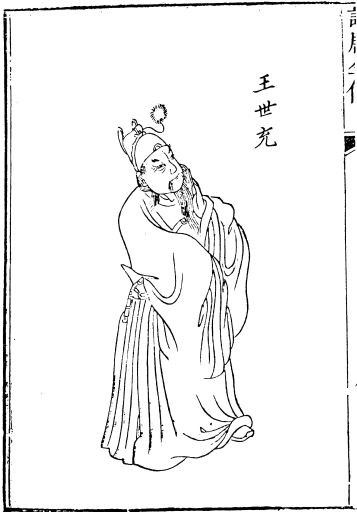
Un caudillo despiadado y pragmático que se apoderó de Luoyang, se coronó brevemente emperador y terminó cayendo ante el poder Tang.
Inicios de conversación
Trayectoria vital
Nació durante la etapa final de las dinastías del Norte y creció entre guerras constantes y lealtades cambiantes en el norte de China. La política militarizada de la época moldeó su visión dura: la autoridad provenía de los ejércitos y del control de las ciudades.
Mientras la dinastía Sui consolidaba su poder bajo el emperador Wen, buscó ascender por el ejército y la burocracia. Aprendió cómo el Estado Sui movilizaba grano, mano de obra y guarniciones para dominar la llanura del río Amarillo.
Con la ascensión del emperador Yang, el faccionalismo cortesano y campañas ambiciosas abrieron oportunidades para comandantes capaces. Se movió entre camarillas rivales y ganó influencia al presentarse como un solucionador fiable de problemas de seguridad interna.
A medida que las cargas fiscales y el trabajo forzoso provocaban alzamientos por todo el imperio, participó en duras campañas de pacificación. Recurrió a ejecuciones e intimidación, pero también cortejó a las élites locales capaces de estabilizar los condados y aportar tropas.
Durante la desastrosa guerra del emperador Yang en Corea y la agitación que generó en casa, se benefició de la desesperación del régimen por comandantes competentes. La sobreextensión del imperio permitió que los hombres fuertes regionales acumularan poder y recursos independientes.
Con la corte Sui cada vez más inestable, se situó cerca de la metrópolis estratégica de Luoyang y sus graneros. Al controlar puertas, guardias y proclamas, transformó el mando militar en una verdadera palanca política.
Tras la salida del emperador Yang de las llanuras centrales, ministros y generales rivales lucharon por la legitimidad y los recursos. Superó a sus competidores dentro de Luoyang, presentándose como el protector indispensable de la autoridad residual de la dinastía.
Después de la muerte del emperador Yang en el sur, Luoyang reconoció como emperador al joven Yang Tong, pero el poder real estaba en sus manos. Endureció el control sobre nombramientos, comunicaciones y las familias influyentes de la ciudad para asegurar obediencia.
Declarando terminado el orden Sui, forzó la abdicación de Yang Tong y anunció su propio régimen, conocido como Zheng. El gesto buscaba capturar legitimidad en las llanuras centrales, pero también unió a muchos enemigos que lo veían como un usurpador.
Combatió para mantener Henan mientras se enfrentaba a desafiantes y al ascendente Estado Tang con base en Chang'an. Su corte enfatizaba el control de la burocracia y los suministros de Luoyang, pero el campo se fue inclinando cada vez más hacia comandantes competidores.
Los Tang, dirigidos en campaña por Li Shimin, avanzaron para quebrar el poder de Zheng atacando sus alianzas y ejércitos de campaña. Intentó explotar rivalidades entre los adversarios de los Tang, pero la logística y el liderazgo Tang fueron reduciendo sus opciones de manera constante.
Con Luoyang amenazada, dependió de Dou Jiande, gobernante del Estado de Xia, para aliviar la presión Tang. La alianza fue incómoda, impulsada por la necesidad más que por la confianza, y ató su destino a las decisiones de otro caudillo en el campo de batalla.
En el paso de Hulao, Li Shimin derrotó a Dou Jiande en un enfrentamiento decisivo, destruyendo la fuerza de socorro que podía haber salvado Luoyang. La pérdida lo aisló, minó la moral y volvió políticamente imposible continuar la resistencia dentro de la ciudad.
Tras meses de presión y el colapso del apoyo exterior, negoció la rendición ante los Tang. Se abrieron las puertas de Luoyang, poniendo fin a la efímera corte de Zheng y transfiriendo la metrópolis clave de las llanuras centrales al control Tang.
Fue escoltado bajo guardia al corazón del poder Tang, donde la nueva dinastía trabajó para impedir un rebrote de rebelión. Poco después fue asesinado, un destino común para pretendientes derrotados cuyos nombres aún podían movilizar a soldados y funcionarios.