Quick Facts
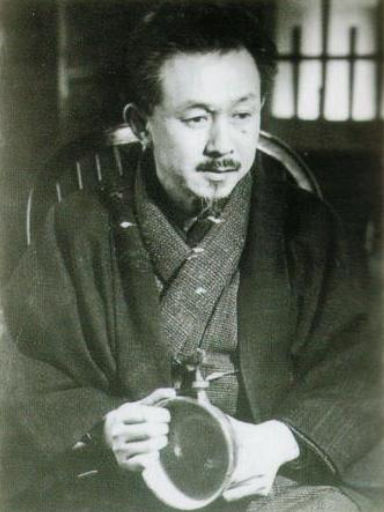
Champion of everyday beauty, he founded Japan’s mingei movement and elevated anonymous folk craft to cultural philosophy.
Conversation Starters
Life Journey
Born in Tokyo, Japan, Yanagi Muneyoshi grew up amid elite intellectual circles during the Meiji era’s rapid modernization. This environment gave him early access to literature, philosophy, and debates about Japan’s cultural identity.
At Tokyo Imperial University, he immersed himself in Western philosophy and aesthetics while Japan expanded its modern institutions. University networks connected him to writers and artists who shaped his later cultural criticism.
He started writing essays and reviews that compared European art ideas with Japanese traditions in an increasingly cosmopolitan Tokyo. His early publications established him as a serious voice in aesthetics and cultural commentary.
Traveling in colonial-era Korea, he encountered Joseon ceramics, paintings, and everyday utensils in Seoul and surrounding regions. The experience convinced him that ordinary objects could embody profound beauty despite anonymity and hardship.
In the tense period after the March 1st Movement, he spoke and wrote sympathetically about Korean culture under Japanese administration. He argued for respectful preservation of Korean art, challenging complacent colonial attitudes in Japan.
He began systematically collecting utilitarian ceramics, textiles, and woodwork made for daily life rather than display. These objects helped him articulate an aesthetic grounded in function, repetition, and the dignity of anonymous makers.
He deepened friendships with craft practitioners such as Hamada Shoji, learning directly from studio and village production methods. Their exchanges linked philosophical ideas about beauty to the realities of clay, kilns, and local economies.
Working with like-minded colleagues, he helped popularize the term 'mingei'—'art of the people'—to name the value of vernacular craft. The idea reframed everyday wares as cultural achievements equal to elite fine arts.
Through exhibitions and writings, he and Kawai Kanjiro highlighted regional kilns and humble glazes as embodiments of shared tradition. Their efforts encouraged urban audiences in Kyoto and Tokyo to see usefulness as a source of beauty.
He helped build a national network of collectors, dealers, and craftworkers, connecting remote workshops to metropolitan cultural institutions. This organization turned personal taste into a coherent movement with exhibitions, publications, and patrons.
He supported Bernard Leach’s role in linking Japanese craft traditions with British studio pottery audiences. By emphasizing shared ideals of handmade integrity, he expanded mingei beyond Japan into an international conversation on modern craft.
He established the Nihon Mingeikan to preserve and display everyday artifacts—ceramics, textiles, baskets, and woodwork—made by anonymous hands. The museum offered a public home for the mingei philosophy amid accelerating industrialization.
As Japan moved deeper into militarization, he continued publishing essays that framed folk craft as ethical and spiritual practice. He insisted that humility, repetition, and community labor could counter modern alienation and aggression.
After Japan’s defeat and the devastation of cities, he argued that rebuilding should include cultural renewal through local craft. He emphasized restoring workshops, training makers, and protecting regional styles amid shortages and upheaval.
During the early postwar recovery, his ideas shaped how museums, collectors, and consumers valued handmade objects over mass production. His lectures and essays encouraged respect for regional craft communities and everyday domestic beauty.
In his final years, he focused on refining his aesthetic philosophy and ensuring the Nihon Mingeikan’s collections and standards endured. He mentored younger supporters who carried mingei ideals into design, craft education, and scholarship.
He died in Tokyo after decades of writing, collecting, and institution-building that elevated ordinary craft to national significance. His work left a lasting framework for understanding beauty as communal, functional, and morally resonant.