Datos rápidos
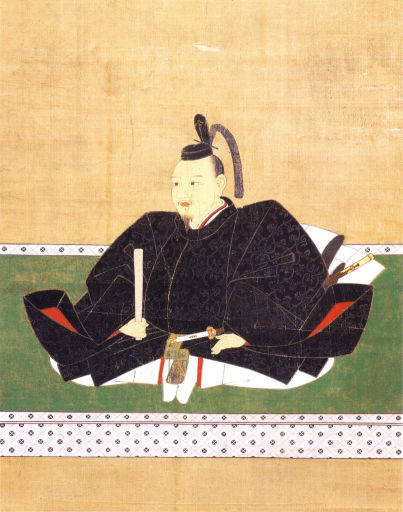
Intelectual y revolucionario samurái que fundó la academia Shoka Sonjuku e inspiró a los líderes de la Restauración Meiji a través de sus enseñanzas revolucionarias sobre lealtad y defensa nacional.
Inicios de conversación
Trayectoria vital
Nacido como Sugi Toranosuke en una familia samurai de bajo rango en Hagi, la ciudad castillo del dominio Choshu. Su padre era un simple soldado de infanteria con un estipendio minimo. A pesar de sus origenes humildes, sus dones intelectuales fueron reconocidos temprano, preparando el escenario para su notable pero breve vida.
Adoptado por su tio Yoshida Daisuke, jefe de la familia Yoshida que ostentaba la posicion hereditaria de instructores de ciencia militar del dominio Choshu. Esta adopcion elevo su estatus y le dio acceso a educacion formal en estrategia militar y clasicos confucianos.
A pesar de su corta edad, comenzo a dar conferencias sobre ciencia militar en la escuela del dominio Meirinkan. Su talento precoz para analizar estrategia y presentar ideas complejas asombro a los funcionarios del dominio y establecio su reputacion como prodigio.
Dio una conferencia sobre estrategia militar ante Mori Takachika, el senor del dominio Choshu. El daimyo quedo tan impresionado que personalmente concedio al joven Shoin el titulo formal de instructor de ciencia militar, un honor sin precedentes para alguien tan joven.
Emprendio un viaje de estudios por Kyushu para observar las defensas costeras y aprender de eruditos de todo Japon. Estudio bajo Sakuma Shozan en Nagasaki, adquiriendo conocimiento sobre tecnologia militar occidental y la creciente amenaza de las potencias extranjeras.
Viajo a Mito y al norte de Japon para estudiar las defensas costeras sin obtener permisos de viaje oficiales de su dominio. Aunque esta infraccion de las regulaciones le costo su estatus de samurai, valoraba el conocimiento de defensa nacional por encima del avance personal.
Viajo a Uraga para presenciar la llegada de la flota del Comodoro Perry a Japon. La vision de estos poderosos buques occidentales cristalizo su conviccion de que Japon debia modernizarse urgentemente o enfrentar la colonizacion. Se obsesiono con aprender tecnologia occidental de primera mano.
Hizo un atrevido intento nocturno de abordar los barcos de Perry y navegar a America para estudiar la civilizacion occidental. Cuando fue descubierto y rechazado, se entrego voluntariamente a las autoridades. Este acto de viaje al extranjero prohibido conllevaba pena de muerte, pero los funcionarios le perdonaron la vida debido a sus sinceros motivos patrioticos.
Enviado a la prision de Noyama en su dominio natal. En lugar de desesperarse, transformo su celda en un aula, dando conferencias a sus companeros prisioneros sobre clasicos y asuntos actuales. Sus escritos durante el encarcelamiento, incluyendo 'Registro de pensamientos encarcelados', revelan su filosofia revolucionaria en evolucion.
Liberado de prision bajo arresto domiciliario en la casa de su familia. Comenzo a reunir jovenes samurais para discusiones privadas sobre asuntos nacionales. Estas reuniones informales sentaron las bases de lo que se convertiria en la academia privada mas influyente de la historia japonesa.
Asumio formalmente la pequena escuela privada de su tio, transformandola en Shoka Sonjuku. En esta humilde casa de escuela de aldea, enseno un curriculo revolucionario que combinaba etica confuciana, ciencia militar occidental y nacionalismo apasionado. Entre sus estudiantes estaban los futuros primeros ministros Ito Hirobumi y Yamagata Aritomo.
En su apogeo, Shoka Sonjuku tenia unos 80 estudiantes. Shoin ensenaba que los eruditos deben actuar, no solo estudiar. Sus metodos eran revolucionarios: los estudiantes debatian libremente, cuestionaban la autoridad y eran alentados a tomar accion directa para la salvacion nacional. Muchos liderarian la Restauracion Meiji.
Se opuso vehementemente a la firma del Tratado Harris con America por parte del shogunato sin aprobacion imperial. Argumento que esto no era simplemente mala politica sino una traicion fundamental al emperador y a Japon. Sus escritos cada vez mas radicales comenzaron a abogar por la accion directa contra el shogunato.
Desarrollo un plan para asesinar a Manabe Akikatsu, el anciano del shogunato que viajaba por Kioto para suprimir a los leales imperiales. Cuando las autoridades del dominio se negaron a apoyar el complot, Shoin se entrego, esperando que su arresto avergonzara a los funcionarios y los obligara a actuar. Este error de calculo resulto fatal.
Trasladado de Choshu a la prision de Denmaccho en Edo para enfrentar juicio ante el shogunato. Durante la Purga Ansei, leales de todo Japon estaban siendo ejecutados o encarcelados. Shoin mantuvo su dignidad y continuo escribiendo tratados filosoficos incluso enfrentando la muerte.
Ejecutado por decapitacion el 21 de noviembre de 1859, a los 29 anos. Su poema final declaro su espiritu perdurable: 'Aunque mi cuerpo pueda pudrirse en la llanura de Musashino, mi espiritu japones vivira por siempre.' En una decada, sus estudiantes derrocaron el shogunato y crearon el Japon moderno, cumpliendo su vision.