伊藤博文

伊藤博文

首相

チャットを始める

AI パーソナリティ

概要

Meiji Constitution
First Prime Minister of Japan
Modernization of Japan

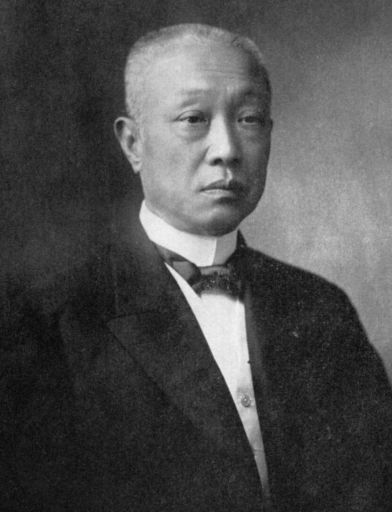
伊藤博文(1841-1909)は、日本初の内閣総理大臣であり、明治憲法の主要な起草者です。長州藩の貧しい農家から身を起こし、近代日本で最も影響力のある政治家となりました。英国留学後、1889年の大日本帝国憲法の起草を主導し、アジア初の立憲君主制を確立。四度の総理大臣を務め、政府の近代化、重要条約の交渉、世界強国への道を切り開きました。1909年に暗殺されましたが、その遺産は日本の憲法体制に今も生き続けています。

会話のきっかけ

人生の歩み

1841Birth in Choshu Domain

Born into a poor farming family that was later adopted into low-ranking samurai status. His humble origins gave him a pragmatic outlook that would shape his approach to governance and reform.

1857Study under Yoshida Shoin

Became a student of the influential teacher Yoshida Shoin at the Shoka Sonjuku academy. This education instilled in him both nationalist fervor and openness to Western learning.

1863Secret Journey to Britain

Traveled secretly to Britain with four other Choshu samurai, defying shogunate laws. The experience of Western industrial society transformed his worldview and convinced him of the need for modernization.

1868Meiji Restoration

Played an active role in the Meiji Restoration that overthrew the Tokugawa shogunate. His Western knowledge made him valuable to the new government's modernization efforts.

1871Iwakura Mission

Joined the Iwakura Mission as vice-envoy, spending nearly two years studying Western governments, industries, and institutions. This experience profoundly influenced his constitutional thinking.

1882Constitutional Study Mission

Led a mission to Europe to study constitutional systems. Particularly influenced by German constitutional theory, which emphasized strong executive power under a constitutional framework.

1885First Prime Minister

Became Japan's first Prime Minister under the newly created cabinet system. Established the foundations of modern Japanese parliamentary government.

1889Meiji Constitution Promulgation

Oversaw the promulgation of the Meiji Constitution, which he had spent years drafting. The document established Japan as Asia's first constitutional monarchy with a bicameral legislature.

1894Second Term as Prime Minister

Served his second term as Prime Minister during the First Sino-Japanese War. Guided Japan through its first major modern military conflict and subsequent treaty negotiations.

1895Treaty of Shimonoseki

Negotiated the Treaty of Shimonoseki ending the Sino-Japanese War. The treaty marked Japan's emergence as a major regional power and gained Taiwan as a colony.

1900Fourth Term as Prime Minister

Served his fourth and final term as Prime Minister. Navigated Japan through the complex international situation following the Boxer Rebellion in China.

1905Resident-General of Korea

Appointed as the first Resident-General of Korea following Japan's victory in the Russo-Japanese War. Oversaw the establishment of Japanese control over Korean affairs.

1906Founding of Rikken Seiyukai

Founded the Rikken Seiyukai political party, which would dominate Japanese politics for decades. This marked his effort to create stable party government.

1909Mission to Manchuria

Traveled to Harbin to meet with Russian officials regarding Manchurian affairs. This diplomatic mission would prove to be his final journey.

1909Assassination in Harbin

Assassinated on October 26, 1909, by Korean independence activist An Jung-geun at Harbin railway station. His death shocked Japan and marked the end of an era in Meiji politics.