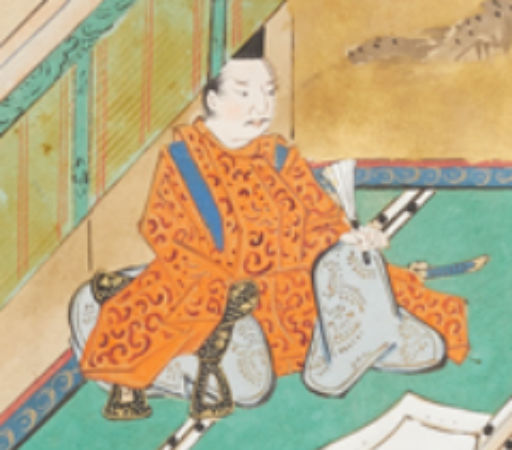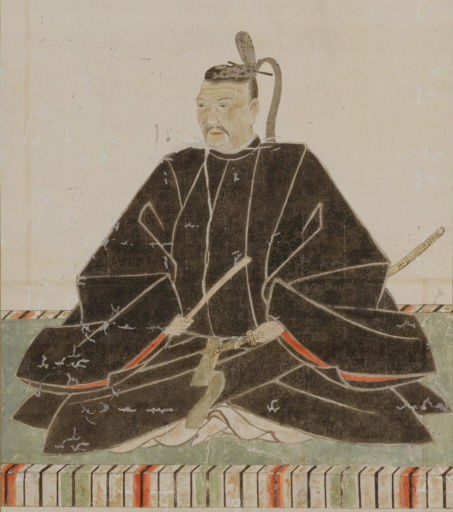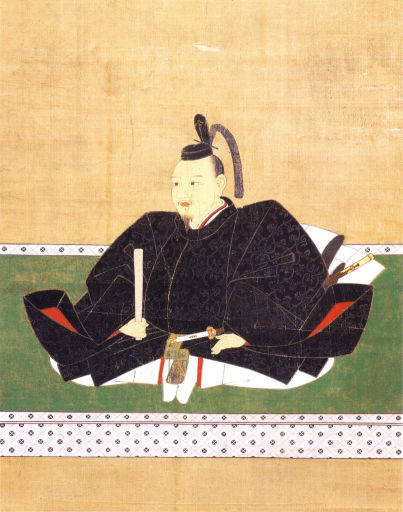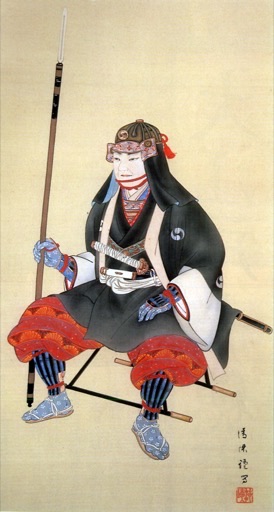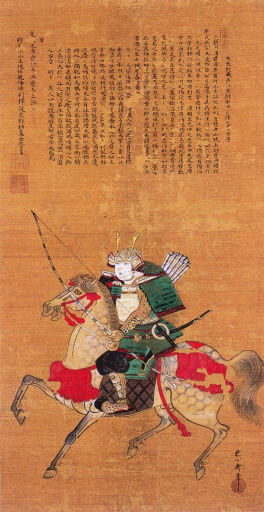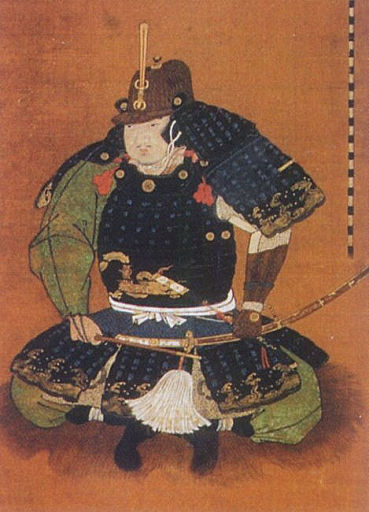
A steadfast Tokugawa general famed for disciplined command, political steadiness, and decisive action during Japan’s unification wars.
会話のきっかけ
人生の歩み
Born in Mikawa Province during the Sengoku period, he grew up amid continual conflict among regional warlords. The Sakakibara were tied to the Matsudaira, placing him near the future Tokugawa power base.
As a youth he became a page and junior retainer to Matsudaira Motoyasu, later known as Tokugawa Ieyasu. Close attendance at court and camp taught him discipline, protocol, and the realities of coalition warfare.
During the Mikawa Ikki uprisings, local leagues of temples and warriors challenged Ieyasu’s authority. Yasumasa remained steadfast in the Tokugawa camp, helping stabilize Mikawa as the clan consolidated power.
He took part in the allied Oda Nobunaga–Tokugawa Ieyasu operations against the Azai and Asakura. The hard-fought battles reinforced his reputation as a reliable field commander in large coalition armies.
When Takeda Shingen surged into Tokugawa territory, Yasumasa served in the defensive campaigns. The experience against Takeda cavalry tactics shaped Tokugawa reforms in mobility, fortification, and command discipline.
After the Tokugawa suffered a severe setback at Mikatagahara, key retainers helped Ieyasu regroup and preserve his domain. Yasumasa’s steady service during recovery strengthened his standing among senior Mikawa samurai.
He fought in the campaign culminating at Nagashino, where Oda–Tokugawa forces checked Takeda Katsuyori. Coordinated arquebus volleys and fortified positions marked a turning point in Sengoku battlefield practice.
By the late 1570s he was widely regarded as one of Ieyasu’s most dependable captains in Mikawa and Totomi operations. His consistent battlefield conduct and careful management of troops increased Tokugawa cohesion.
After Oda Nobunaga’s death at Honno-ji, Ieyasu’s party undertook a dangerous retreat through hostile territory. Yasumasa helped maintain order and security as the Tokugawa returned safely to their eastern bases.
He served in the Tokugawa–Oda (Nobukatsu) side during the Komaki–Nagakute campaign, a major clash with Toyotomi Hideyoshi. The fighting showcased Tokugawa field skill and forced careful negotiation rather than outright conquest.
During Toyotomi Hideyoshi’s siege of Odawara, Tokugawa forces participated in the campaign that ended Hojo rule. Afterward Ieyasu’s transfer to Kanto reorganized power, and Yasumasa received responsibilities in the new eastern order.
As Hideyoshi launched invasions of Korea, Tokugawa leaders focused on securing Kanto governance and readiness at home. Yasumasa’s role emphasized logistics, castle oversight, and keeping vassals aligned during uncertain national policy.
Hideyoshi’s death triggered factional maneuvering among regents and major daimyo. Yasumasa supported Ieyasu’s careful coalition-building, helping the Tokugawa present legitimacy while preparing for inevitable confrontation.
In the struggle between Tokugawa Ieyasu and Ishida Mitsunari’s coalition, he participated in the operations surrounding Sekigahara. The victory established Tokugawa supremacy and redefined the hierarchy of daimyo across Japan.
With Ieyasu appointed shogun, Yasumasa became part of the senior leadership stabilizing the new regime. His experience in war and governance supported policies that shifted Japan from endemic conflict toward structured administration.
He died in the early Edo period after decades spent in campaigns and domain management for the Tokugawa house. Later chronicles remembered him for sober judgment, strict discipline, and unwavering loyalty to Ieyasu’s rise.