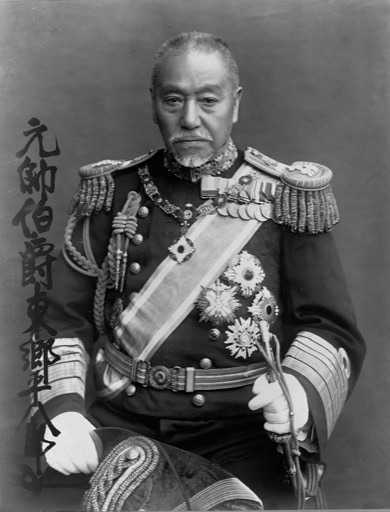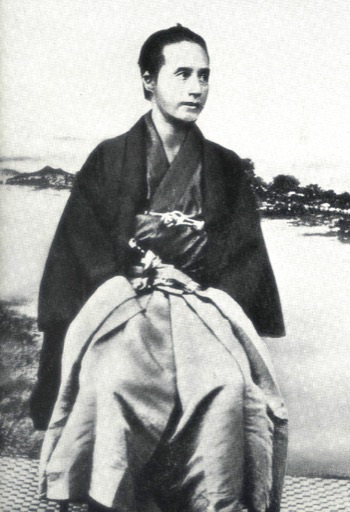
가쓰 가이슈(1823-1899)는 일본 해군의 아버지로 불리는 막부 말기와 메이지 시대의 정치가이자 해군 지휘관입니다. 하급 무사 가문에서 태어났지만 난학과 서양 해군 기술을 독학으로 습득하여 간린마루호로 태평양 횡단을 이끌었습니다. 고베 해군 훈련소를 설립하고 사카모토 료마 등 많은 인재를 양성했습니다. 보신 전쟁 때는 사이고 다카모리와 협상하여 에도성의 무혈 개성을 이끌어내 백만 에도 시민을 전화에서 구했습니다.
대화 시작하기
인생 여정
Born Katsu Rintaro into a low-ranking samurai family in Edo. Despite humble origins, his family valued education and martial arts training.
Started studying Dutch language and Western sciences, recognizing the importance of understanding foreign knowledge for Japan's future.
Submitted a detailed proposal to the shogunate advocating for naval modernization and coastal defense, gaining recognition from officials.
Appointed to the newly established Nagasaki Naval Training Institute, where he studied under Dutch instructors and mastered Western naval techniques.
Commanded the Kanrin Maru on Japan's first transpacific voyage to San Francisco, demonstrating Japanese naval capability to the world.
Established the Kobe Naval Training Center, training future leaders including Sakamoto Ryoma and laying the foundation for Japan's modern navy.
Appointed as the Tokugawa Navy Commissioner (Gunkan Bugyo), becoming the highest naval authority in the shogunate government.
Continued mentoring Sakamoto Ryoma, supporting his vision of a unified Japan and providing naval resources for his activities.
Negotiated with Saigo Takamori for the peaceful surrender of Edo Castle, saving one million residents from war and preserving the city.
Witnessed the end of the Tokugawa shogunate and the beginning of the Meiji era, transitioning from shogunate official to Meiji statesman.
Appointed to various positions in the new Meiji government, contributing his expertise in naval affairs and foreign relations.
Appointed as a Privy Councilor, advising the Emperor on matters of state and continuing to advocate for naval modernization.
Began publishing his memoirs and historical accounts, providing invaluable firsthand documentation of the Bakumatsu period.
Elevated to the rank of Count (Hakushaku) in the new peerage system, recognizing his contributions to Japan's modernization.
Died peacefully in Tokyo at age 75, remembered as the father of the Japanese Navy and the man who saved Edo from destruction.