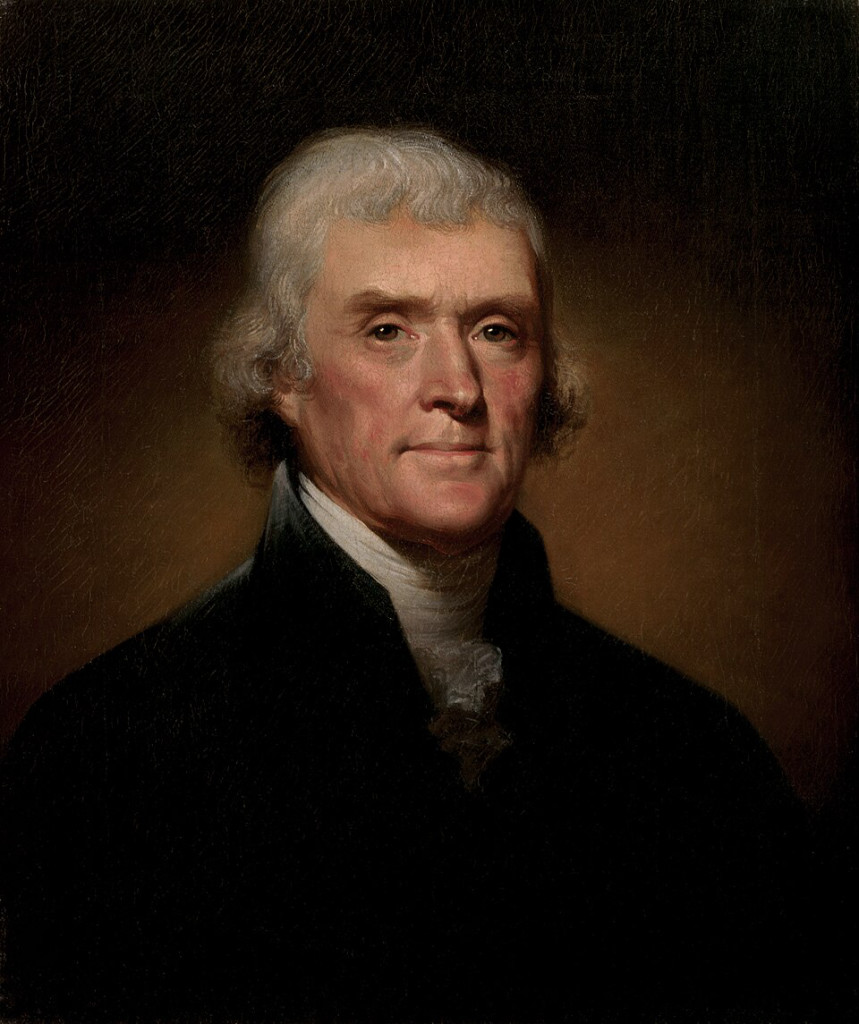
The 3rd President of the United States who authored the Declaration of Independence and advocated for democracy and individual rights.
대화 시작하기
인생 여정
Thomas Jefferson was born to Peter Jefferson and Jane Randolph on a plantation in Shadwell, Virginia. His father was a successful planter and surveyor, and his mother came from a prominent family.
At the age of nine, Jefferson began his formal education under the tutelage of Reverend William Douglas. He studied Latin, Greek, and French, laying the foundation for his future intellectual pursuits.
Jefferson's father, Peter Jefferson, died, leaving him a substantial estate, including land, slaves, and a library. This inheritance allowed him to continue his education and pursue his interests.
Jefferson enrolled at the College of William & Mary, where he studied law under George Wythe. He also developed a keen interest in science, philosophy, and politics during his time there.
Jefferson was admitted to the Virginia bar and began practicing law. He quickly gained a reputation as a skilled and principled lawyer, often representing the interests of small farmers and planters.
Jefferson was elected to the Virginia House of Burgesses, the colonial legislature. He began his political career by advocating for the rights of settlers and opposing British taxation policies.
Jefferson married Martha Wayles Skelton, a wealthy widow. The marriage brought him additional land and wealth, and they had six children together, though only two survived to adulthood.
Jefferson wrote 'A Summary View of the Rights of British America,' a political pamphlet that argued for American rights and liberties. It was one of his earliest significant contributions to the revolutionary cause.
Jefferson was chosen to draft the Declaration of Independence, which was adopted by the Continental Congress on July 4, 1776. The document articulated the principles of liberty and democracy that would guide the new nation.
Jefferson was elected the second Governor of Virginia, serving two one-year terms. His tenure was marked by efforts to reform the state's laws and improve education, but it was also challenging due to the ongoing Revolutionary War.
Jefferson served as a delegate to the Continental Congress, where he worked on various committees and helped draft legislation. His contributions included efforts to establish a strong federal government.
Jefferson was appointed as the United States Minister to France, succeeding Benjamin Franklin. He spent five years in Paris, where he immersed himself in European culture and politics, and advocated for American interests.
Jefferson was appointed the first Secretary of State under President George Washington. He played a crucial role in shaping early American foreign policy and often found himself at odds with Treasury Secretary Alexander Hamilton.
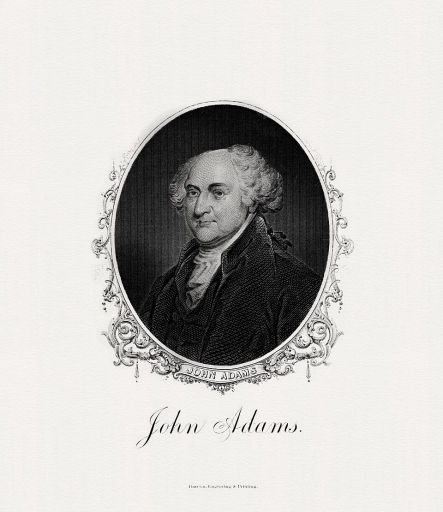
Jefferson was elected Vice President of the United States, serving under President John Adams. His role was largely ceremonial, but he remained a key figure in the Democratic-Republican Party.
Jefferson was elected the third President of the United States, serving two terms. His presidency was marked by the Louisiana Purchase, the Lewis and Clark Expedition, and efforts to reduce the national debt.
Jefferson founded the University of Virginia, which he designed and oversaw the construction of. The university became a model for public higher education and reflected Jefferson's commitment to education and democracy.
Jefferson died at his home, Monticello, on July 4, 1826, the 50th anniversary of the signing of the Declaration of Independence. He was buried on the grounds of Monticello, where he had lived for much of his life.