Informações rápidas
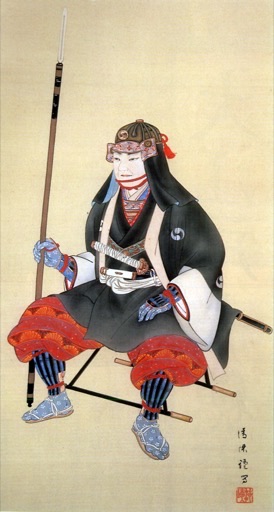
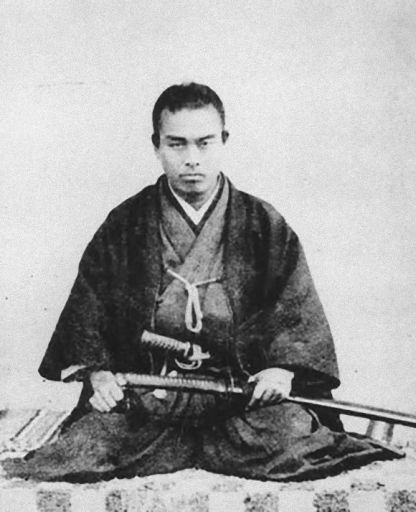
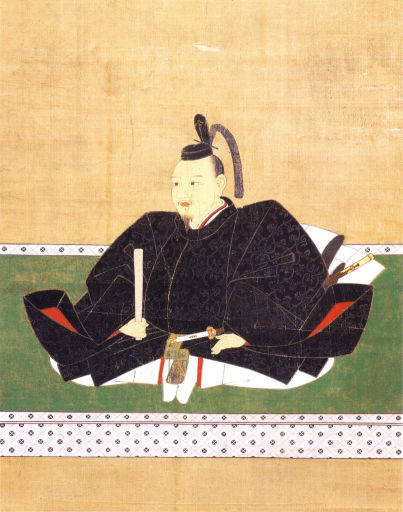
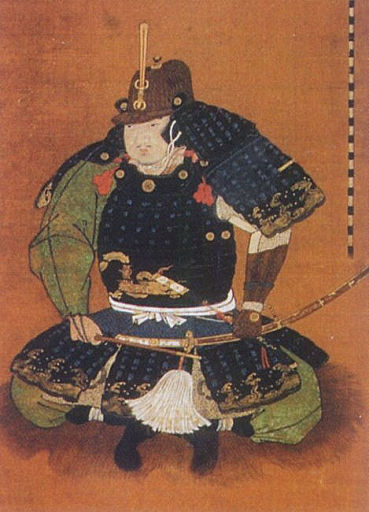
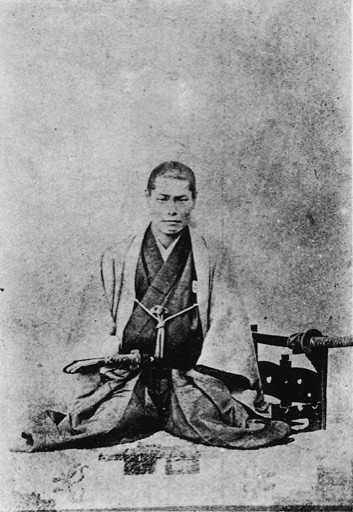
Kondo Isami (1834-1868) foi o lendario comandante do Shinsengumi que protegeu Quioto durante o periodo Bakumatsu. Nascido em uma familia camponesa, foi adotado pela familia Kondo e herdou a quarta geracao do Tennen Rishin-ryu. Com seu carisma e habilidade com a espada, atraiu Hijikata Toshizo e muitos outros, formando o Shinsengumi como a forca policial mais poderosa de Quioto. O incidente de Ikedaya o tornou lenda. Foi executado aos 33 anos, mantendo sua dignidade samurai ate o fim.
Iniciadores de conversa
Jornada de vida
Born Miyagawa Katsugoro into a farming family. Showed early interest in martial arts.
Began training at the Shieikan dojo under Kondo Shusuke, master of Tennen Rishin-ryu.
Adopted by Kondo Shusuke and took the name Kondo Isami, becoming heir to the dojo.
Became the fourth-generation master of Tennen Rishin-ryu after his adoptive father's retirement.
Led the Roshigumi to Kyoto and reorganized it as the Shinsengumi, becoming its commander.
Led the famous raid on Ikedaya inn, crushing a plot to burn Kyoto. This made the Shinsengumi legendary.
Awarded hatamoto status by the shogunate, officially becoming a samurai despite peasant origins.
The Shinsengumi reached peak strength, becoming the most powerful force maintaining order in Kyoto.
Witnessed the resignation of the last shogun. Remained loyal to the Tokugawa cause despite the political collapse.
Fought in the Battle of Toba-Fushimi against imperial forces. Suffered defeat but continued resistance.
Retreated with remaining Shinsengumi members to Edo, continuing to fight for the Tokugawa cause.
Led the Koyo Chinbutai in the Battle of Koshu-Katsunuma, suffering a devastating defeat.
Captured by imperial forces at Nagareyama. Surrendered to protect his remaining men.
Executed by beheading at Itabashi. Faced death with dignity, becoming a symbol of samurai loyalty.
His life became legendary, inspiring countless stories celebrating samurai honor and loyalty.