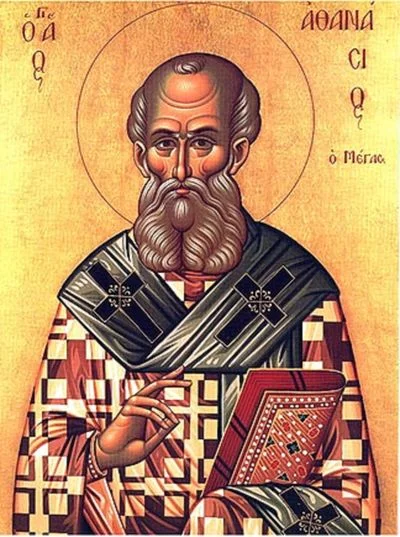
Quick Facts
Athanasius Contra Mundum": Champion of orthodoxy, forged Christian doctrine against the world.
Conversation Starters
Life Journey
Athanasius was born in Alexandria, one of the greatest centers of Christian learning in the ancient world, into a Christian family during a time when the faith was still subject to Roman persecution.
Young Athanasius began his theological education in Alexandria, studying under Bishop Alexander and becoming deeply versed in Scripture and Christian doctrine.
Athanasius accompanied Bishop Alexander to the Council of Nicaea, where he played a crucial role in opposing Arianism and helped formulate the Nicene Creed affirming Christ's divinity.
Athanasius was elected Bishop of Alexandria, becoming the leader of one of the most important Christian sees in the world and a primary defender of Nicene orthodoxy.
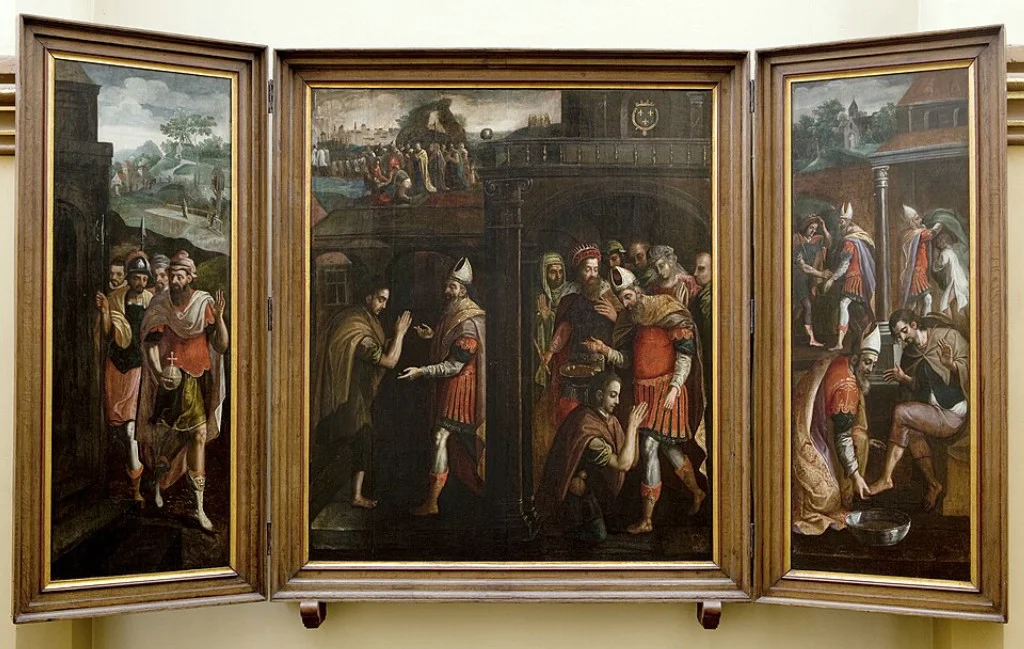
Athanasius was exiled to Trier in Gaul after being condemned at the Council of Tyre on charges brought by his Arian opponents, beginning his first of five exiles.
Following the death of Emperor Constantine, Athanasius returned to Alexandria, welcomed by his congregation, though his enemies continued to plot against him.
Athanasius fled to Rome after Arian bishops secured his deposition, finding support from Pope Julius I and strengthening ties between the Eastern and Western churches.
Athanasius returned triumphantly to Alexandria after the Council of Sardica vindicated him, beginning a decade of relative peace and productive theological writing.
Emperor Constantius II forced Athanasius into exile again, and he fled to the Egyptian desert where he lived among the monks, continuing his writings and pastoral work.
While in exile, Athanasius wrote the 'Life of Anthony', a biography of Saint Anthony the Great that became immensely influential in spreading monasticism throughout the Christian world.
After Emperor Julian's tolerance edict, Athanasius returned to Alexandria and worked to reconcile different Christian factions, showing diplomatic skill in addition to theological firmness.
Emperor Valens briefly forced Athanasius into hiding again, though popular outrage led to his quick return, demonstrating the depth of support he had among the Egyptian people.
Athanasius returned to Alexandria for the final time, spending his remaining years in peace, consolidating the victory of Nicene Christianity and guiding his church.
Athanasius issued his famous Paschal Letter listing the 27 books of the New Testament canon, the first known document to identify exactly the same canonical books used today.
Athanasius dedicated his final years to mentoring the next generation of church leaders, including the Cappadocian Fathers who would continue his theological legacy.
Athanasius died peacefully in Alexandria, having spent 45 years as bishop and endured five exiles for his faith. He is venerated as a saint and Doctor of the Church.