Quick Facts
A forceful Achaemenid king who conquered Egypt, expanded Persian rule, and became infamous for harsh, controversial governance.
Conversation Starters
Life Journey
As a prince, he learned cavalry warfare, archery, and the etiquette of Persian kingship from court nobles and commanders. The expanding empire demanded administrative skill, exposing him early to tribute systems and satrapal oversight.
The capture of Babylon under Cyrus reshaped Near Eastern politics and showcased Persian methods of legitimizing rule. The royal household absorbed lessons about respecting local cults, appointing governors, and managing diverse subject peoples.
Born as the son of Cyrus the Great, founder of the Achaemenid Empire, and likely Cassandane of the Achaemenid line. Raised within the Persian court’s warrior-aristocratic culture, he was groomed for imperial command and succession.
As Cyrus campaigned against Central Asian peoples, Cambyses was positioned as the principal successor to maintain continuity. Court officials and military elites aligned around him to avoid dynastic fracture in a rapidly growing empire.
After Cyrus died on campaign, Cambyses inherited an empire stretching from Anatolia to Mesopotamia. He moved to secure loyalty among satraps and elite Persian families, understanding that succession was the moment of greatest risk.
Cambyses directed resources toward the western frontier, viewing Egypt as both a prestige target and a strategic threat. Planning required coordination of Phoenician fleets, Levantine supply lines, and intelligence about Egyptian defenses.
Persian diplomacy and pressure brought crucial coastal support, especially from Phoenician maritime cities. This ensured transport, naval screening, and reliable logistics for marching forces across Sinai toward the Nile Delta.
Cambyses’ forces clashed with Pharaoh Psamtik III near Pelusium, the eastern gateway to Egypt. The victory shattered Egyptian field resistance and opened the route to Memphis, marking a decisive turning point in Mediterranean politics.
After Pelusium, Persian troops besieged Memphis, the administrative heart of Egypt, and forced its capitulation. Psamtik III was taken captive, and the Persian court began reorganizing Egypt as a major imperial province.
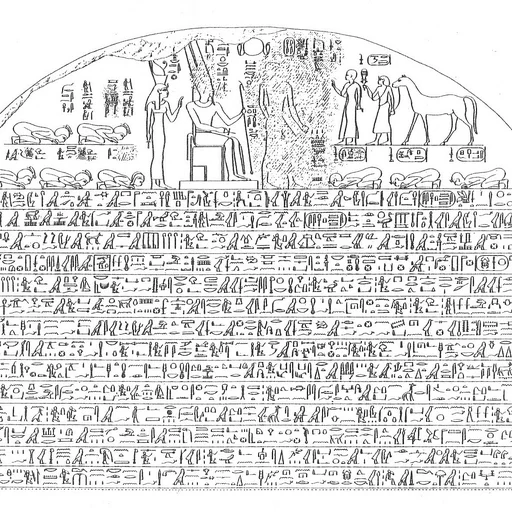
Cambyses adopted pharaonic titulary to legitimize rule, aligning with Egyptian traditions of kingship. Persian administration worked through local priests and officials, balancing imperial extraction with the need for stability along the Nile.
Seeking control beyond Egypt, Cambyses launched operations toward Kush and the Nile’s upper reaches. Harsh terrain and long supply lines limited success, foreshadowing the logistical constraints of desert and riverine warfare.
Persian ambitions included Egypt’s desert routes and oasis networks that linked trade and security. Ancient accounts describe a disastrous march in the sands, reflecting the real strategic challenge of operating far from water and grain.
Greek writers portray Cambyses as impious and violent, while Egyptian evidence suggests a more complex reign with administrative continuity. He relied on Persian garrisons and local intermediaries to keep revenue flowing and revolt contained.
Rumors and factional rivalries intensified as the king remained abroad with a large army and treasure. The empire’s scale made communication slow, giving space for impostors and ambitious nobles to manipulate uncertainty about legitimacy.
Reports reached Cambyses that a figure claiming royal authority had seized power in Persia, often linked in sources to the name Bardiya. He left Egypt in urgency, aware that losing the Iranian heartland could unravel imperial control.
Cambyses died on the march back toward Persia, with ancient accounts blaming accident, illness, or self-inflicted injury. His sudden death deepened the succession crisis, enabling Darius I to claim the throne after decisive palace action.
Despite hostile later narratives, Cambyses’ conquest permanently altered Egypt’s political landscape by tying it to Achaemenid structures. His reign set precedents for Persian pharaonic legitimacy, taxation, and garrison-based security along the Nile.