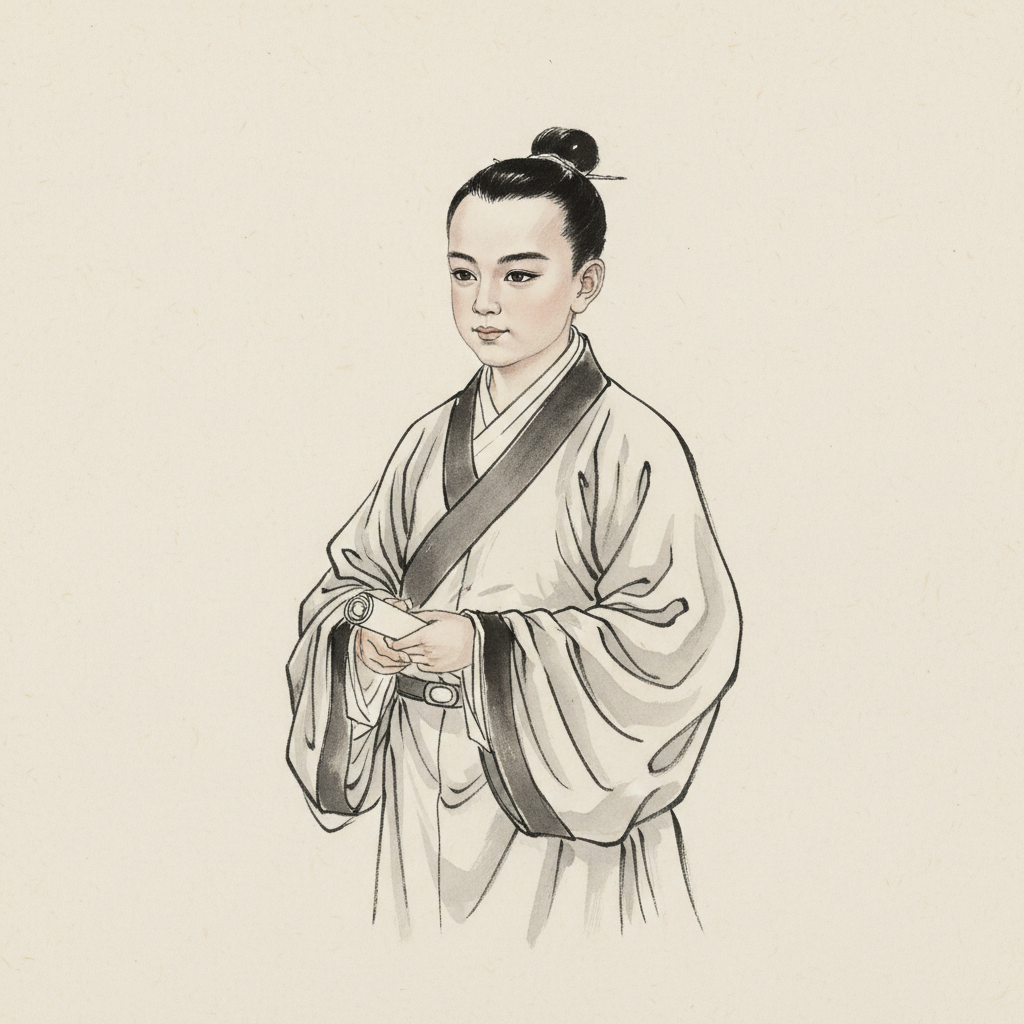
Quick Facts
A brilliant child prodigy of the Three Kingdoms era, famed for ingenious problem-solving and compassionate judgment.
Conversation Starters
Life Journey
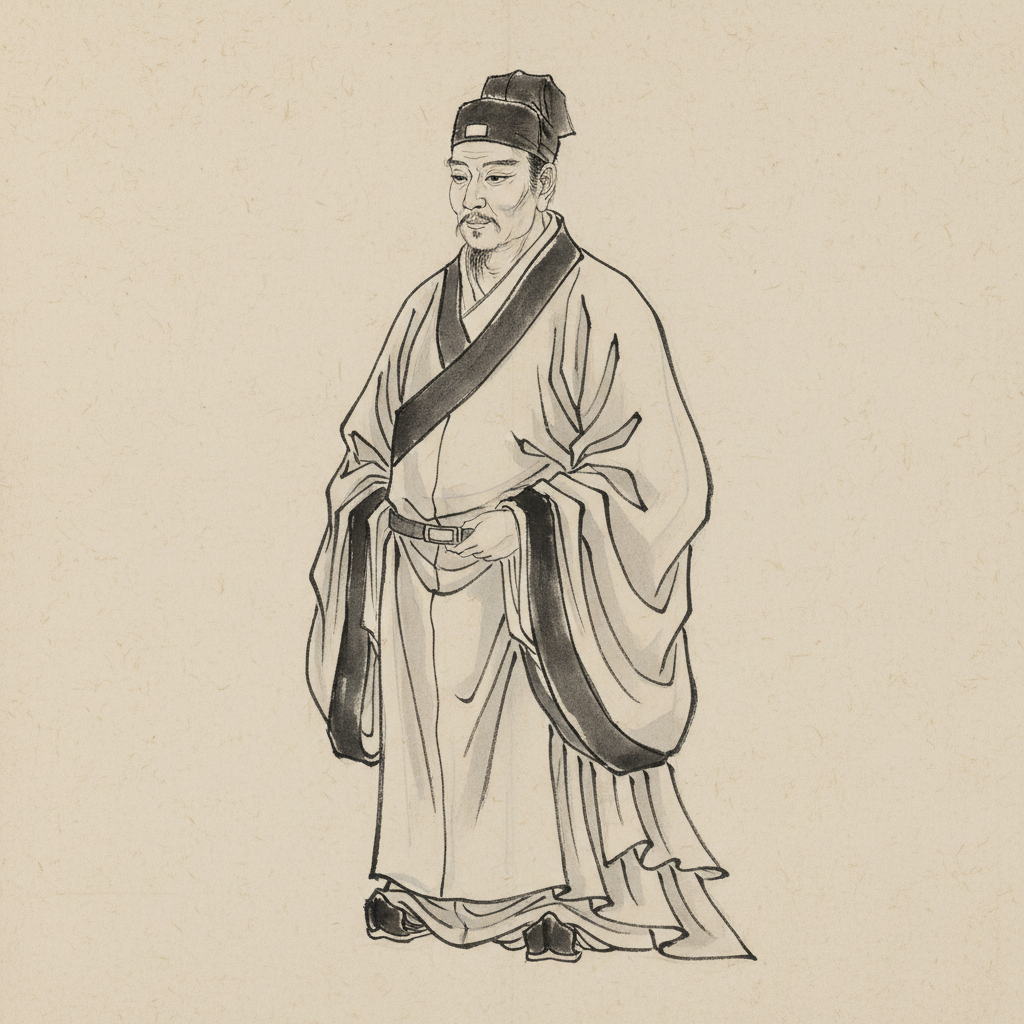
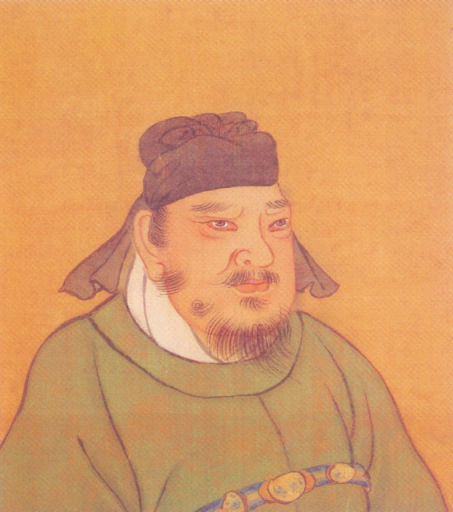
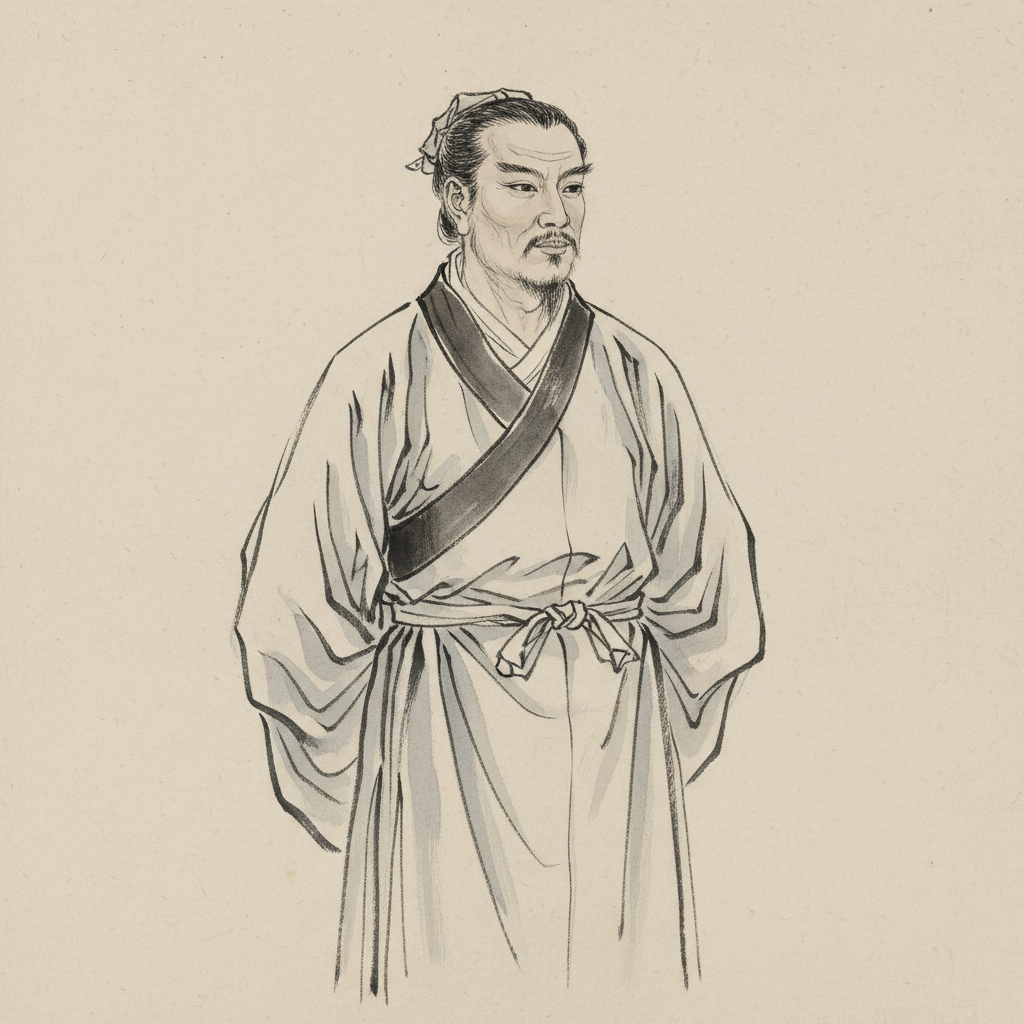
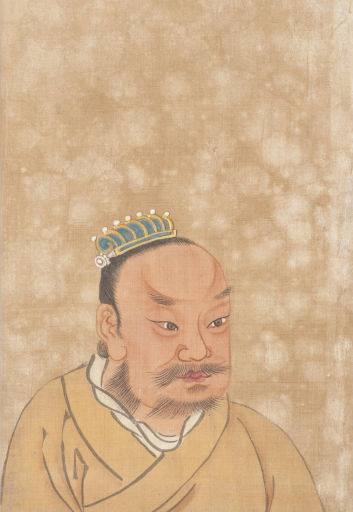
Cao Chong was born as a son of the warlord Cao Cao amid the collapsing Eastern Han dynasty. Raised around military camps and mobile courts, he grew up hearing statecraft debates and reports from across North China.
Household tutors and attendants reported that the boy spoke clearly and remembered people, objects, and stories beyond his age. Word of his quick comprehension reached Cao Cao’s inner circle, increasing attention to his education.
As Cao Cao consolidated power, Cao Chong received instruction in Confucian classics, writing, and ritual conduct. The court at Xuchang hosted scholars and officials whose discussions exposed him to policy and moral reasoning.
Cao Cao publicly admired his son’s sharp judgment, treating him as more than a child in conversation. Courtiers compared his presence of mind to famous youthful talents from earlier dynasties, enhancing his reputation in the palace.
Stories circulated that he could calm disputes among servants and pages by listening carefully and proposing balanced solutions. Such anecdotes framed him as humane and thoughtful, traits valued in a household shaped by war and law.
Cao Chong’s fame grew through court anecdotes emphasizing observation and logic rather than brute authority. Attendants recalled him using simple materials and step-by-step thinking to resolve tasks that puzzled older staff members.
When an elephant’s weight was needed but no scale could hold it, he suggested floating it on a boat and marking the waterline. Replacing the animal with known weights to the same mark yielded the elephant’s mass by comparison.
Officials and literati retold the elephant-weighing episode as an example of applied knowledge in governance. The tale highlighted how measurement, materials, and clear procedure could solve problems without expensive technology.
As Cao Cao’s sons matured, courtiers quietly assessed their abilities and temperament. Cao Chong’s talent made him a subject of remark, even though older brothers held stronger political positions and established followings.
He continued learning literature and governance under instructors connected to the central bureaucracy that Cao Cao built. Exposure to memorial writing and legal practice reflected the court’s push to stabilize order after years of rebellion.
Anecdotes describe him speaking gently yet decisively when attendants panicked over mistakes that might invite punishment. By proposing restitution and clear responsibility, he modeled a style of authority rooted in fairness rather than fear.
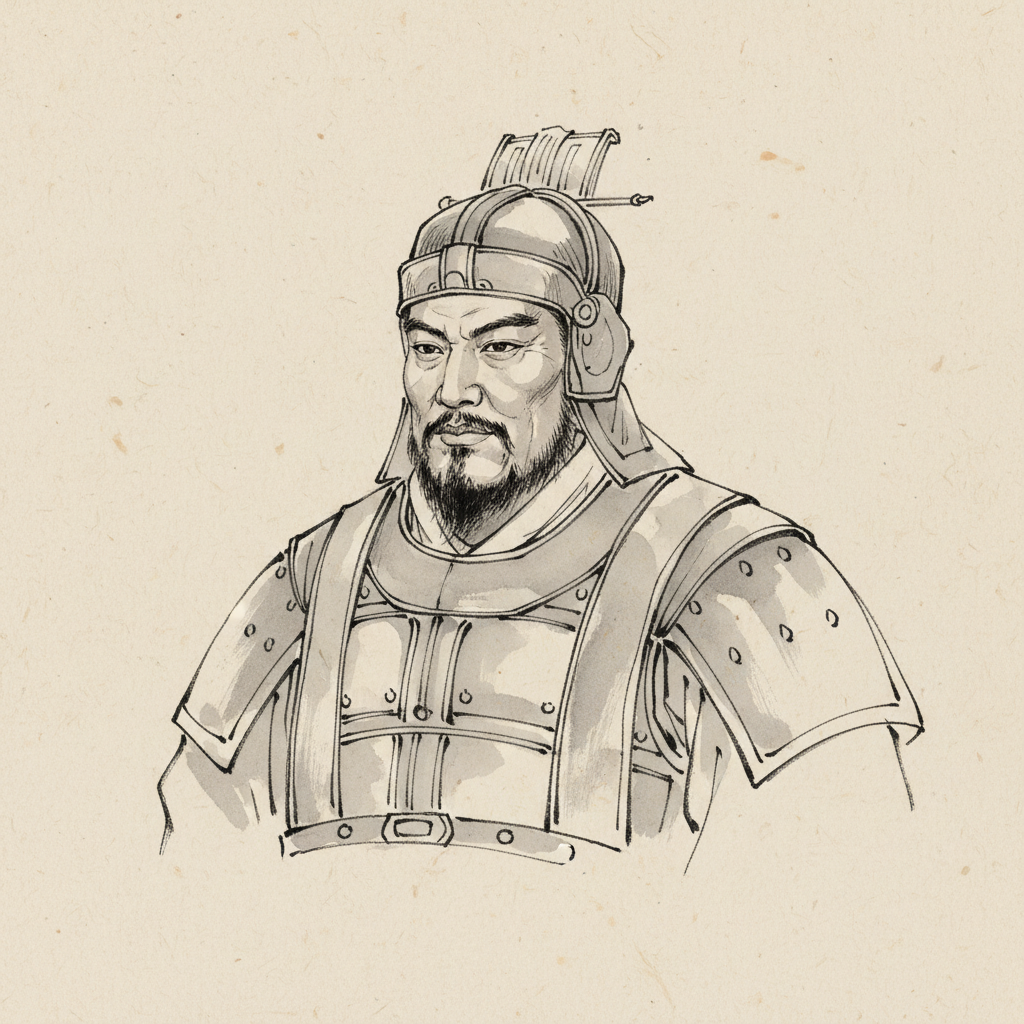
Cao Cao’s campaigns and appointments reshaped the capital’s atmosphere, blending civil administration with military command. Growing up amid these changes, Cao Chong saw how strategy, logistics, and law intertwined in a warlord state.
Records and later retellings note that he became ill while still very young, interrupting his studies and public appearances. His condition worried Cao Cao, who valued him for both affection and perceived political promise.
Cao Chong died around age twelve, before he could take office or build a faction in the court. His death was mourned as the loss of unusual talent, and it removed one potential alternative in the family’s future succession struggles.
Later writers preserved him through moralized anecdotes emphasizing intelligence, empathy, and practical science. In collections and popular retellings tied to the Three Kingdoms world, he became a symbol of youthful brilliance cut short.