Quick Facts
A determined labor organizer who turned nonviolent protest into lasting power for farmworkers’ rights and dignity.
Conversation Starters
Life Journey
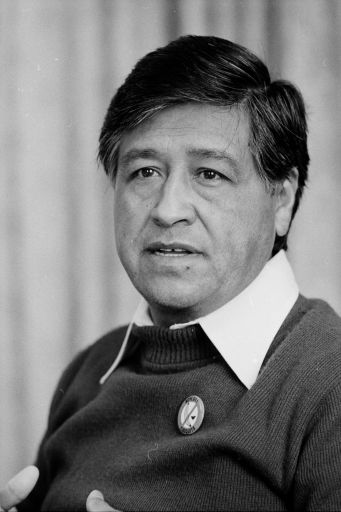
Born to Librado and Juana Chávez on March 31, 1927, in Yuma, Arizona. The Chávez family’s later displacement during the Great Depression shaped his lifelong focus on farmworker poverty and rights.
After losing their farm and business, the Chávez family joined the migrant stream to California’s fields. The harsh living conditions and low wages exposed him to exploitation by growers and labor contractors.
He left school around eighth grade to help support his family through farm labor. Frequent moves and discrimination against Mexican-American children reinforced his resolve to pursue social justice.
Chávez served in the U.S. Navy in the final years of World War II. The experience broadened his view of national service, but he returned determined to address inequality at home.
He married Helen Fabela, a steady partner in organizing life, and they raised eight children together. Their family life remained closely tied to the movement’s sacrifices and long campaigns.
Organizer Fred Ross recruited Chávez into the Community Service Organization (CSO), where he learned door-to-door organizing and leadership training. He worked on voter registration, anti-discrimination efforts, and civic engagement.
Chávez rose to become CSO’s national director, coordinating organizing across multiple cities. The role sharpened his strategic skills and convinced him farmworkers needed an independent union.
He and Dolores Huerta founded the National Farm Workers Association (NFWA), the seed of the United Farm Workers. Starting with little money, they built a member-based organization through house meetings and dues.
When Filipino farmworkers in the Agricultural Workers Organizing Committee launched the Delano grape strike, Chávez aligned the NFWA with them. The partnership broadened the struggle and emphasized disciplined, nonviolent organizing.
Chávez led a 300-mile pilgrimage to the California state capitol to dramatize farmworker demands. The march drew clergy, students, and media attention, framing the strike as a moral and civil rights cause.
The NFWA merged with allied organizing efforts to form the United Farm Workers, strengthening negotiating power. The black eagle flag and the motto “Sí se puede” became recognizable symbols of the movement.
Chávez fasted for 25 days to reaffirm nonviolence amid rising tension and arrests. Senator Robert F. Kennedy visited during the fast, amplifying national awareness of the farmworker struggle.
After years of organizing and consumer boycotts, major grape growers signed union contracts with the UFW. The agreements improved wages, benefits, and working conditions, proving boycott power in labor disputes.
The UFW broadened efforts to lettuce and other crops, mobilizing supporters in cities far from the fields. Chávez emphasized coalition-building with churches, unions, and students to pressure major agribusiness brands.
California passed the Agricultural Labor Relations Act, creating a state process for farmworker union elections. The law reflected years of pressure from farmworkers and allies, though enforcement and politics remained contentious.
Chávez highlighted pesticide exposure and its health impacts on farmworkers and their children. The campaign pushed for stronger protections and renewed boycotts, connecting workplace safety to consumer responsibility.
He carried out a 36-day fast to draw attention to pesticides and field conditions, then was urged to end it for health reasons. Political and religious leaders visited, turning the fast into a national moral appeal.
Chávez died on April 23, 1993, while in Arizona connected to a UFW-related legal case. His death prompted widespread tributes, and the union continued organizing in his name and tradition.