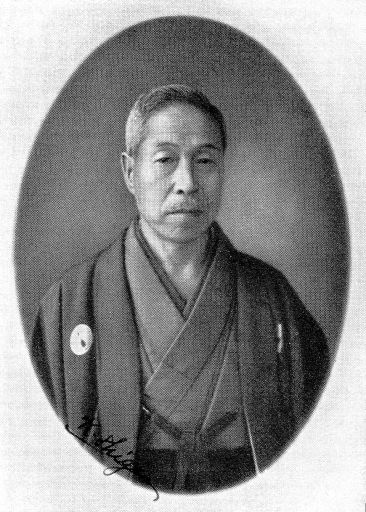
Quick Facts
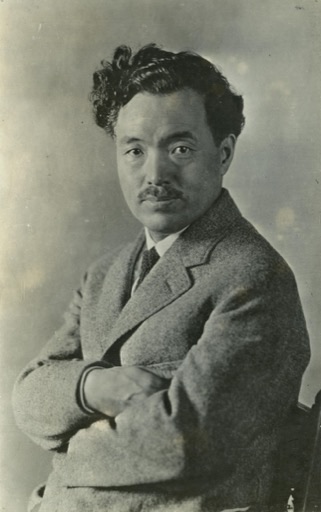
Pioneering Japanese bacteriologist who identified Shigella dysenteriae, transforming modern understanding of dysentery and infectious disease control.
Conversation Starters
Life Journey
Born in Sendai as Japan rapidly modernized in the Meiji era, when Western medicine and laboratory science were being introduced. The public-health burden of cholera and dysentery made infectious disease a pressing national issue.
As a teenager, he committed to medicine while communities faced recurring diarrheal epidemics and limited sanitation. He followed news of Koch and Pasteur, becoming convinced that microbes could be tracked and controlled scientifically.
He moved to Tokyo to pursue advanced medical education as bacteriology became central to modern clinical practice. The capital’s universities and hospitals offered access to microscopes, culture techniques, and emerging germ theory teaching.
He entered the Kitasato Institute, working under Kitasato Shibasaburo, a leading figure in Japanese bacteriology. There he learned rigorous culture methods, animal experimentation norms, and the discipline of outbreak-driven laboratory work.
During a dysentery outbreak with high mortality, he collected stool specimens and performed systematic plating and microscopy. Public fear and crowded living conditions made rapid identification urgent for both hospitals and local authorities.
He isolated a specific bacillus from dysentery patients and linked it consistently to severe disease through careful culture and comparison. The organism was later named Shigella dysenteriae, anchoring dysentery research in a defined pathogen.
He reported methods for isolating the dysentery organism and distinguishing it from related intestinal bacteria. These protocols supported faster diagnosis in clinical laboratories and strengthened Japan’s emerging public-health laboratory network.
He traveled to Europe to study at leading bacteriology centers influenced by Robert Koch’s school. Exposure to standardized media, serology, and laboratory organization helped him refine techniques used back at Japanese institutions.
While abroad, he exchanged ideas with European researchers focused on enteric infections and toxin-mediated disease. These contacts positioned his dysentery work within a global scientific conversation as microbiology professionalized rapidly.
Back in Japan, he applied European laboratory discipline to local problems, emphasizing reproducible diagnostics and careful recordkeeping. He also mentored younger researchers, helping institutionalize bacteriology as a core medical specialty.
He supported public-health efforts by advising on laboratory confirmation, isolation practices, and sanitation messaging. Japan’s growing urban centers and military logistics made controlling dysentery and typhoid strategically important.
He emphasized that dysentery was not a single uniform illness and that bacterial differences mattered for diagnosis and immunity. This perspective encouraged later serotyping work that separated multiple Shigella species and variants.
As World War I reshaped international science and supply chains, he continued research and teaching within Japan’s laboratories. Limited imports of reagents and equipment increased the value of locally developed methods and materials.
During the 1918 influenza pandemic, health authorities faced simultaneous respiratory and enteric disease burdens. His laboratory mindset reinforced systematic surveillance, reminding clinicians that multiple pathogens could drive public crises at once.
After the Great Kanto Earthquake devastated Tokyo and Yokohama, displaced populations faced heightened risk of waterborne disease. He contributed expertise consistent with outbreak prevention: clean water, hygiene, and laboratory confirmation of cases.
By the early 1930s he was widely regarded as a founder-level figure in Japanese bacteriology, with his name attached to the dysentery organism. His influence extended through students, clinical laboratories, and public-health institutions nationwide.
With the outbreak of the Second Sino-Japanese War, crowding and disrupted sanitation increased enteric disease danger for troops and civilians. His earlier dysentery research remained practically relevant to prevention, diagnosis, and containment strategies.
After Japan’s 1945 defeat, medical institutions rebuilt under severe shortages while infectious diseases remained common. His career embodied the shift from premodern contagion theories to laboratory-based public health that shaped postwar recovery.
He died in 1957, leaving a scientific legacy tied to identifying Shigella dysenteriae and strengthening Japan’s bacteriological tradition. His work helped make dysentery a target of precise diagnosis rather than a mysterious, fatal scourge.