Quick Facts
Question everything!" Radical skeptic; Hume.
Conversation Starters
Life Journey
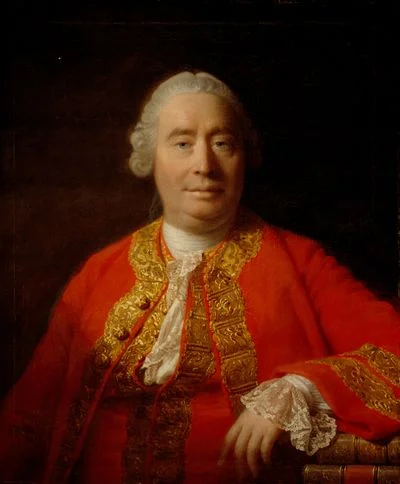
David Hume was born on April 26, 1711, in Edinburgh to a minor Scottish noble family. His father died when David was two, leaving his mother to raise him.
At just twelve years old, Hume enrolled at the University of Edinburgh to study classics and philosophy, where he encountered Enlightenment ideas.
After attempting to study law for his family, Hume suffered a breakdown. During recovery, he experienced what he called a 'new scene of thought.'
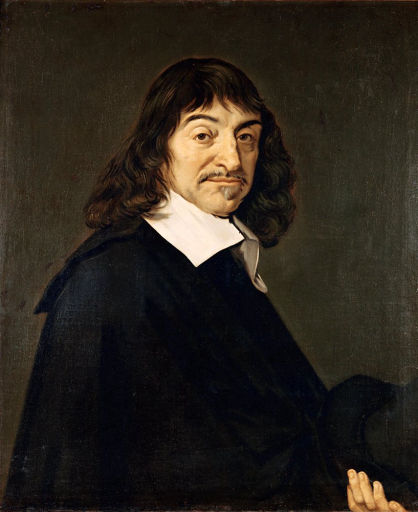
Hume moved to France, settling in La Flèche where Descartes had studied. In the French countryside, he began writing his first major work.
Hume published his most ambitious work, which 'fell dead-born from the press' but contained revolutionary ideas on causation and personal identity.
Hume's accessible essays on politics, economics, and culture established his reputation as a brilliant essayist and public intellectual.
Hume applied for the Chair of Moral Philosophy at Edinburgh but was rejected due to atheism accusations from his philosophical works.
Hume served as secretary to General St. Clair on military and diplomatic missions, experiences that broadened his worldview.
Hume published his clearer reformulation of philosophical ideas, including his famous argument against miracles, establishing his European reputation.
Hume published what he considered his best work, arguing that morality is founded on sentiment rather than reason.
Hume became Keeper of the Advocates' Library, giving him access to one of Britain's finest research libraries for his historical work.
Despite initial controversy, Hume's History became the standard work for nearly a century, bringing him wealth and international fame.
Hume served as secretary to the British Ambassador, celebrated by French philosophers including d'Alembert and Diderot.
Hume brought Rousseau to England to escape persecution, but Rousseau's paranoia led to a bitter public quarrel widely publicized across Europe.
After serving as Under-Secretary of State in London, Hume retired to Edinburgh, becoming central to the Scottish Enlightenment's intellectual life.
Hume died on August 25, 1776, facing death with philosophical calm. His posthumous Dialogues became his most discussed work, profoundly influencing philosophy.