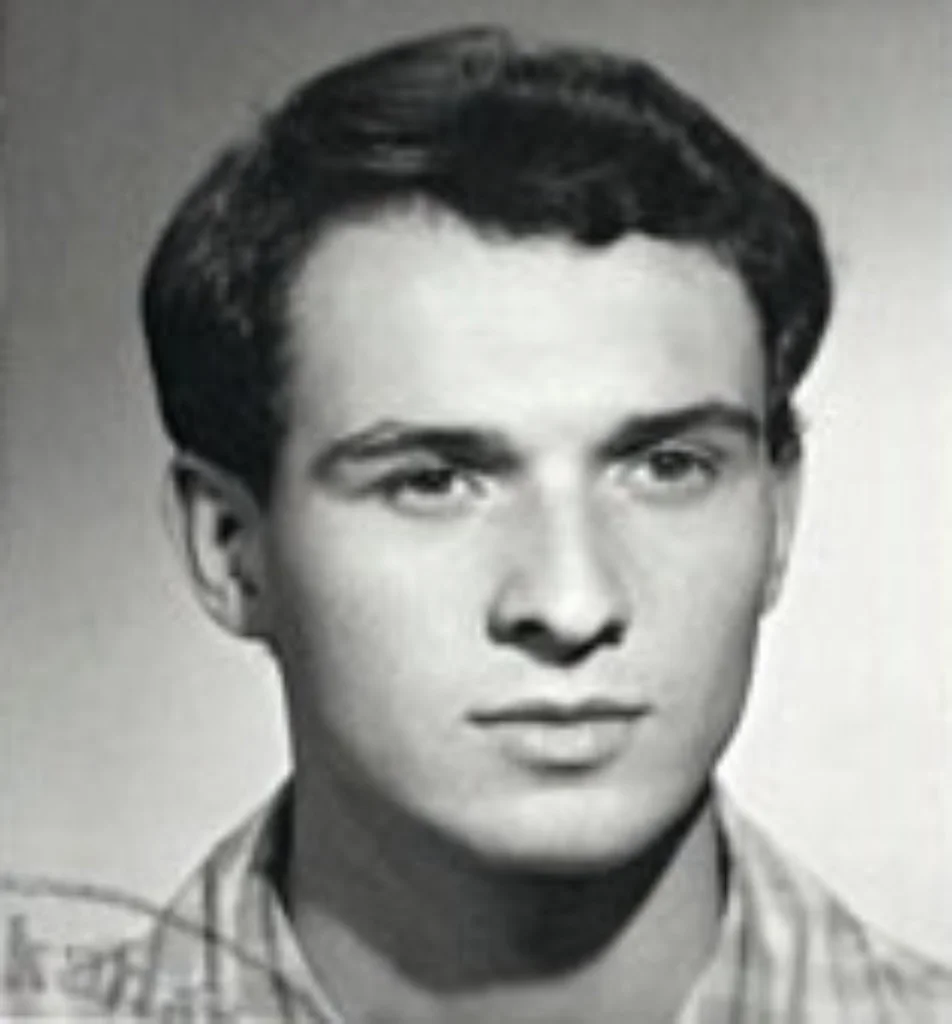
Quick Facts
Torch Number One": Prague student's fiery protest ignited Czech resistance to Soviets.
Conversation Starters
Life Journey
Jan Palach was born into a middle-class family. His father was a confectioner in Všetaty.
His father died when Jan was young. His mother raised him and his brother Jiří alone.
Attended secondary school in Mělník where he excelled academically and developed interest in history.
Enrolled at Charles University to study political economy, later transferring to philosophy and history.
Spent summer working in France, experiencing Western freedom and returning with new political awareness.
Actively participated in the Prague Spring reforms, embracing Dubček's socialism with a human face.
Witnessed Warsaw Pact troops invade Czechoslovakia on August 21st, ending the Prague Spring reforms.
Watched as normalization began erasing Prague Spring freedoms. Felt compelled to dramatic action.
Traveled to USSR as part of student harvest brigade, deepening his understanding of communist reality.
Made the fateful decision to sacrifice himself as a torch to awaken Czech resistance to occupation.
Set himself on fire in Wenceslas Square on January 16th to protest Soviet occupation and public apathy.
Survived three days with severe burns. Remained conscious and explained his actions to doctors.
Died on January 19th from burn injuries. His sacrifice became symbol of resistance against totalitarianism.
Over 600,000 people attended his funeral procession, the largest gathering in Prague since 1948.
His act inspired others including Jan Zajíc and Evžen Plocek who followed with similar protests.
On 20th anniversary, protests honoring Palach sparked events leading to the Velvet Revolution.
After communism fell, Palach was officially recognized as national hero. Square renamed in his honor.
January 16th observed as Jan Palach Memorial Day. His sacrifice remains symbol of freedom and courage.