Quick Facts
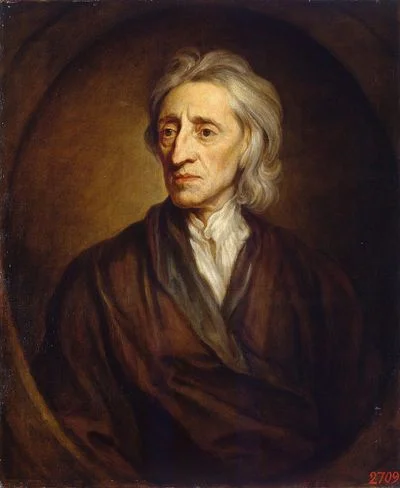
Life, liberty, and property. Philosopher who wrote the blueprint for democracy.
Conversation Starters
Life Journey
John Locke was born to a Puritan family. His father was a country lawyer and cavalry captain.
Locke was admitted to Westminster School under the sponsorship of his father's patron.
Locke entered Christ Church, Oxford, where he studied medicine, natural philosophy, and logic.
Locke was elected Senior Student at Christ Church, securing a permanent position at the university.
Locke met Lord Ashley, later Earl of Shaftesbury, who became his patron and political associate.
Locke joined Ashley's household as personal physician and political advisor, entering public life.
Locke was elected Fellow of the Royal Society, joining the scientific community of his age.
Locke performed a successful liver operation on Ashley, cementing their lifelong relationship.
Health concerns led Locke to live in France for four years, where he studied philosophy.
Political persecution forced Locke to flee England after Shaftesbury's death, living in exile.
The Glorious Revolution enabled Locke to return. He traveled with the future Queen Mary.
His Two Treatises of Government justified the revolution and established liberal political theory.
His masterwork on epistemology argued that all knowledge derives from sensory experience.
Locke published his influential treatise on child education and development.
Locke argued for a rational approach to Christian faith, influencing religious thought.
Locke was appointed to the Board of Trade, advising on colonial and economic policy.
Locke died at the home of Lady Masham, where he had lived his final years in poor health.
Locke is considered the father of liberalism, his ideas shaping democracy and human rights worldwide.