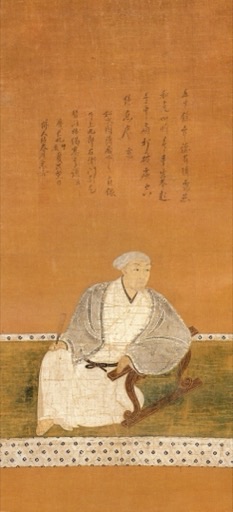
Quick Facts
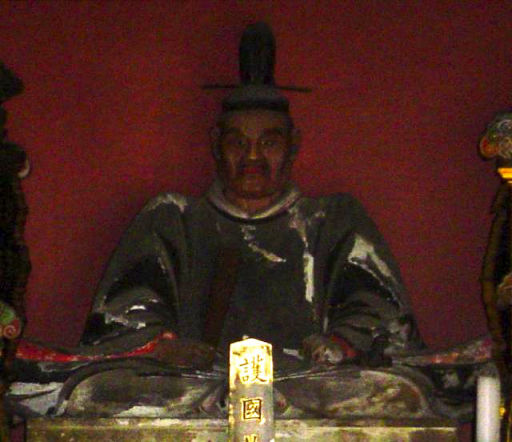
One of the greatest military strategists of the Sengoku period who served Toyotomi Hideyoshi. Known for his brilliant tactical mind and unwavering loyalty despite enduring years of imprisonment, he later founded the Fukuoka domain.
Conversation Starters
Life Journey
Born as Kuroda Yoshitaka, the eldest son of Kuroda Mototaka, a vassal of the Kodera clan. His family had served as administrators of Himeji Castle, giving him early exposure to both military and administrative affairs.
Received his first military command at the age of sixteen, demonstrating early talent for tactics and leadership. His father began entrusting him with increasingly important missions, recognizing his strategic acumen.
Became head of the Kuroda clan after his father's retirement. He immediately began implementing administrative reforms and strengthening the clan's military position in the turbulent Harima region.
Made the crucial decision to ally with Oda Nobunaga through Toyotomi Hideyoshi, recognizing the shifting balance of power. This decision would shape his entire career and establish his reputation as a master strategist.
Became Hideyoshi's primary strategic advisor during the Chugoku Campaign. His brilliant tactical suggestions and siege warfare expertise proved invaluable in the conquest of western Japan.
Was captured and imprisoned by the rebellious Araki Murashige when sent as a negotiator. He endured over a year of harsh imprisonment in a dungeon, emerging with permanent damage to his legs but unbroken in spirit.
Was finally released after Arioka Castle fell to Nobunaga's forces. Despite his physical suffering, he returned immediately to Hideyoshi's service, his loyalty having been proven beyond all doubt during his ordeal.
Provided crucial strategic counsel to Hideyoshi following Nobunaga's death at Honnoji. His famous advice to see the crisis as an opportunity helped Hideyoshi rapidly return east and defeat Akechi Mitsuhide.
Converted to Christianity, taking the baptismal name Simeon (Don Simeon). This spiritual journey influenced his worldview, though he would later be forced to renounce his faith under Hideyoshi's anti-Christian edicts.
Played a vital strategic role in planning and executing Hideyoshi's conquest of Shikoku. His expertise in siege warfare and logistical planning contributed significantly to the swift campaign success.
Served as a key strategist in Hideyoshi's Kyushu Campaign. His tactical planning helped overcome the Shimazu clan's fierce resistance and brought the entire island under Toyotomi control.
Retired from active service and took the Buddhist name Josui, meaning 'like water.' This marked his transition from active military command to the role of elder statesman and advisor.
Participated in Hideyoshi's invasion of Korea, primarily handling logistics and strategic planning. His organizational skills proved essential in managing the complex supply lines across the sea.
While his son Nagamasa fought at Sekigahara, Kanbei launched his own campaign in Kyushu, rapidly conquering territory. Some historians believe he harbored ambitions of using the chaos to establish his own power base.
Died peacefully in Kyoto at the age of 57. His son Nagamasa had secured the Fukuoka domain, ensuring the Kuroda clan's prosperity for generations. Kanbei is remembered as one of the greatest strategists in Japanese history.