Chumi
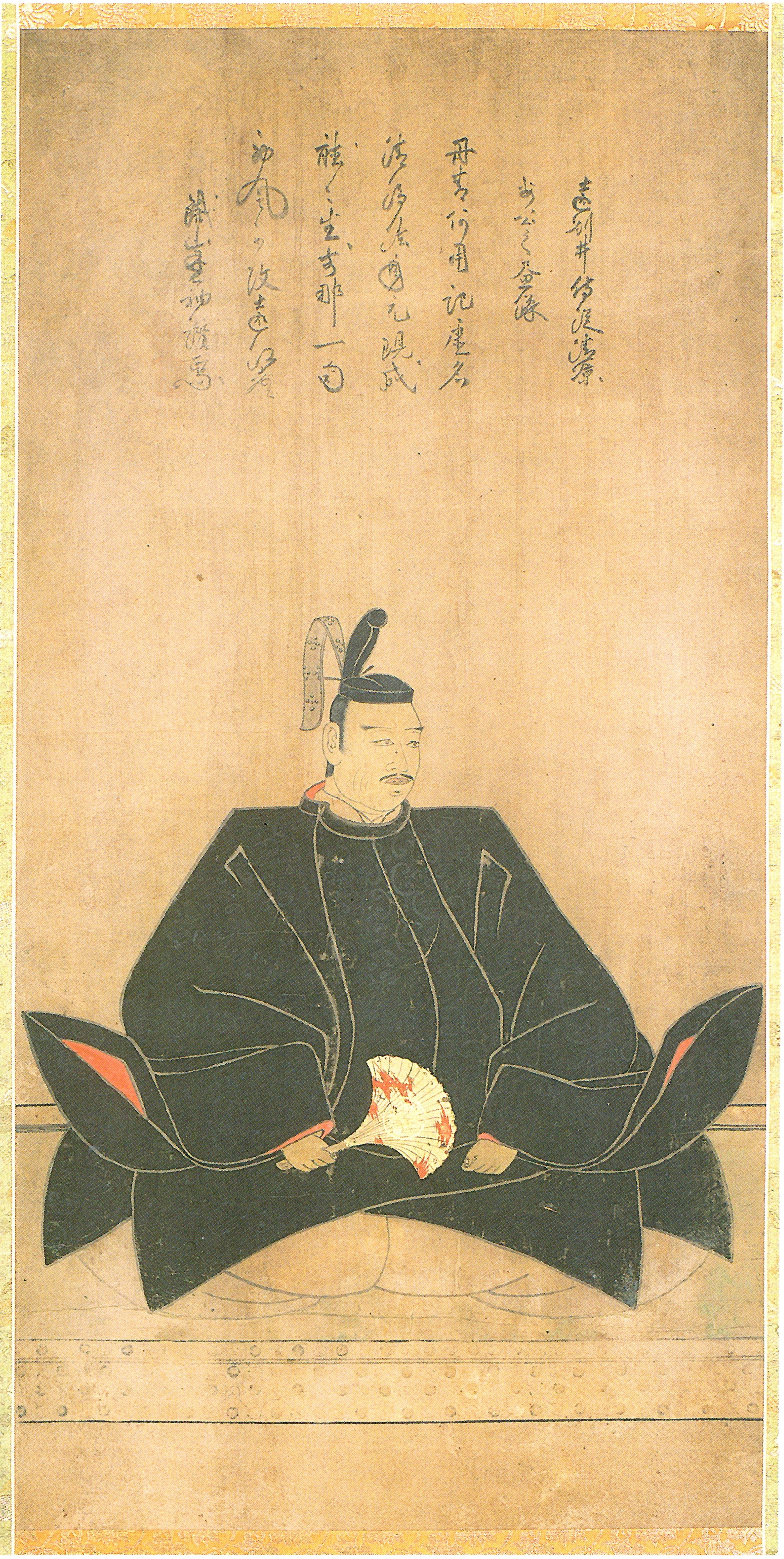
Yagyu Munenori

Yagyu Munenori

Samurai

Start Chat

AI Personality

Quick Facts

Head of Yagyu Shinkage-ryu
Sword instructor to the Tokugawa shoguns
Authorship of Heihokadensho

Life Journey

1571Born into the Yagyu clan during the Sengoku turmoil

Born as Yagyu Munenori in Yamato Province while Japan was fractured by Sengoku warlords and shifting alliances. His upbringing in the Yagyu household blended landholding duties with the expectations of a warrior family in constant conflict.

1580Begins rigorous martial training under Yagyu Sekishusai

As a child, he trained under his father, Yagyu Sekishusai Munetoshi, absorbing the emerging principles of Shinkage-ryu. The discipline emphasized timing, distance, and mental composure rather than brute force, shaping his later reputation.

1582Witnesses the political shock after the Honno-ji Incident

The death of Oda Nobunaga at Honno-ji sent tremors across central Japan and altered local power balances. In Yamato, the Yagyu navigated uncertain loyalties, and Munenori learned early that survival required judgment as much as skill.

1590Supports the clan’s consolidation as Toyotomi rule expands

With Toyotomi Hideyoshi tightening control after the Odawara campaign, regional families sought stability through careful service. Munenori matured amid these transitions, practicing sword and governance while the Yagyu positioned itself for the next regime.

1594Establishes himself as a leading inheritor of Shinkage-ryu methods

By his early twenties, Munenori was recognized within the household as a serious transmitter of Shinkage-ryu concepts. He refined training routines that stressed calm perception and decisive initiative, preparing him to teach beyond the clan.

1599Aligns with Tokugawa interests as the Toyotomi order weakens

After Toyotomi Hideyoshi’s death, political gravity shifted toward Tokugawa Ieyasu and rival coalitions formed quickly. Munenori’s circle pursued ties that could protect Yagyu lands, and he began moving closer to Tokugawa-centered networks.

1600The Battle of Sekigahara reshapes his prospects

Tokugawa Ieyasu’s victory at Sekigahara transformed the warrior hierarchy and opened pathways for trusted specialists. In the aftermath, swordsmanship schools became valuable tools of shogunal legitimacy, and Munenori’s lineage gained new relevance.

1601Enters Tokugawa service as a sword instructor and retainer

Munenori was brought into Tokugawa service, where technical mastery and discretion were equally prized. Serving at the new power center, he used instruction to build trust and to frame martial skill as a form of governance and self-control.

1603Supports the early Edo bakufu’s culture of disciplined rule

When Ieyasu became shogun, the bakufu began turning battlefield expertise into an apparatus of orderly administration. Munenori’s teaching helped define how a warrior elite should carry itself in peacetime, balancing readiness with restraint.

1605Becomes closely associated with Tokugawa Hidetada’s inner circle

As Tokugawa Hidetada assumed the shogunate, Munenori’s role expanded from technique to counsel on conduct and judgment. His presence in Edo linked martial pedagogy with political reliability, making him an emblem of disciplined service.

1614Participates in the Osaka Winter Campaign environment

The Osaka campaigns against the Toyotomi remnant tested the bakufu’s authority and renewed the reality of large-scale war. Munenori served within Tokugawa structures as military mobilization unfolded, reinforcing the bond between sword school and state.

1615Osaka Summer Campaign ends Toyotomi resistance decisively

With Toyotomi Hideyori’s defeat, the Tokugawa order faced fewer existential threats and turned to long-term governance. Munenori’s emphasis on winning without needless violence resonated in this new era, where authority relied on controlled force.

1623Continues instruction as Tokugawa Iemitsu rises to power

Tokugawa Iemitsu’s ascent strengthened central control, and trusted advisers became crucial to court stability. Munenori’s sword lessons doubled as lessons in attention, composure, and decision-making, aligning personal discipline with shogunal policy.

1632Recognized as a senior hatamoto and influential martial authority

By the 1630s, Munenori stood as a prominent hatamoto whose standing rested on proven loyalty and instructional prestige. His position helped codify what legitimate martial knowledge looked like within the Tokugawa household and its retainers.

1636Compiles Heihokadensho, blending strategy, ethics, and mind training

He authored the Heihokadensho, presenting sword principles alongside moral restraint and clear awareness. Addressed within the Tokugawa milieu, the text framed combat as governance of the self, reflecting Edo concerns about authority and order.

1641Mentors successors to preserve the Yagyu school’s shogunal role

In later years he focused on transmission, ensuring the Yagyu line remained indispensable to the shogunate’s martial education. Through careful mentoring and household management, he protected the school’s reputation within Edo’s competitive court culture.

1646Dies after a lifetime of service to three Tokugawa rulers

Munenori died in Edo after serving Tokugawa Ieyasu, Hidetada, and Iemitsu as both instructor and trusted retainer. His writings and institutional influence helped define Edo-period ideals of disciplined power and strategic restraint.

Chat