Quick Facts
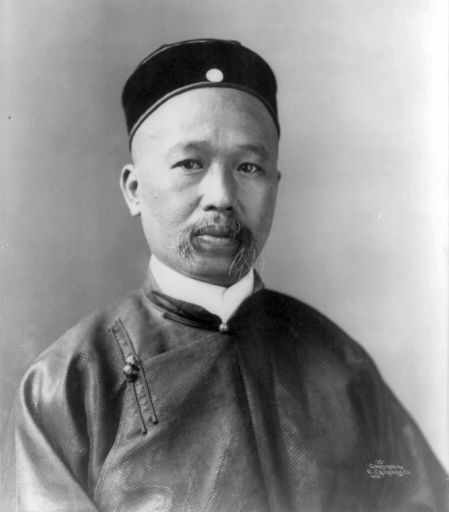
A visionary reformer who blended Confucian scholarship with radical modernization, challenging imperial China’s political foundations.
Conversation Starters
Life Journey
Kang Youwei was born in Nanhai County near Guangzhou, in Guangdong province, as the Qing dynasty struggled with internal unrest and foreign pressure. Raised in a gentry environment, he received a classical education that grounded him in Confucian texts and elite networks.
As a teenager, Kang pursued rigorous preparation for the imperial civil service examinations, mastering the Four Books and Five Classics. The post-Opium War crisis atmosphere convinced him that scholarship had to address state survival, not only personal advancement.
Kang observed new technologies, newspapers, and foreign institutions circulating through Guangdong’s coastal economy. Contact with treaty-port realities sharpened his sense that China faced a systemic challenge from industrial powers and needed institutional transformation.
Kang began crafting arguments that portrayed Confucius as an innovator rather than a defender of static tradition. This approach laid the groundwork for later writings that used classical authority to legitimize constitutional reform and modernization within the Qing order.
Kang presented a memorial urging modernization and stronger governance as the dynasty confronted foreign encroachment and fiscal weakness. Though not fully adopted, the petition helped make him a prominent public voice and drew attention from reform-minded officials and scholars.
Kang taught ambitious students and promoted practical statecraft, emphasizing national strength, education reform, and institutional change. His circle would later include influential disciples such as Liang Qichao, who helped spread these ideas through modern journalism and associations.
After China’s defeat in the First Sino-Japanese War, Kang organized examination candidates to petition the Guangxu Emperor for urgent reforms. The widely discussed memorial linked national humiliation to outdated institutions, catalyzing a new reform movement in Beijing.
Kang helped establish reform associations to mobilize elites around education, industry, and constitutional governance. These groups used meetings, lectures, and print to coordinate activism, foreshadowing new forms of political participation beyond the imperial bureaucracy.
Kang became a key advisor as the Guangxu Emperor issued edicts to modernize schools, administration, and the economy. Reformers faced fierce opposition from conservative officials and the power bloc around Empress Dowager Cixi, who feared destabilization of Qing rule.
When Cixi’s faction executed or arrested leading reformers, Kang fled to avoid capture as the reform collapsed. The crackdown included the death of the 'Six Gentlemen' and forced many reformists into exile, reshaping China’s political opposition abroad.
In exile, Kang founded the Protect the Emperor Society (Baohuanghui) to promote a constitutional monarchy centered on the Guangxu Emperor. The organization raised funds and coordinated overseas Chinese communities, creating a transnational reform network from Asia to North America.
As the Qing court introduced limited reforms after the Boxer crisis, Kang argued these changes must be deepened into constitutional governance. He used essays and speeches to press for modern education, rule-based administration, and a new political relationship between ruler and people.
The Qing decision to end the centuries-old examination system signaled a dramatic break with classical credentialing. Kang welcomed modernization but insisted reforms required coherent constitutional structures, warning that piecemeal measures could intensify revolutionary pressure.
The 1911 Revolution toppled the Qing dynasty and opened the road to a republic, but Kang remained committed to monarchy as a stabilizing framework. He criticized revolutionary violence and argued that constitutional monarchy could better manage China’s transition to modern governance.
Kang aligned with efforts surrounding Zhang Xun’s short-lived restoration of the Qing in a fractured Republic-era political landscape. The restoration collapsed within days under military and political opposition, further marginalizing monarchist solutions in national politics.
In later years, Kang refined the ideas associated with the Datong Shu, imagining a future of global unity and institutionalized welfare beyond nation and family boundaries. The work blended moral philosophy with bold social proposals, influencing debates about modernity and reform in China.
Kang died as China entered a new era of party-state struggles and competing visions of modernization. Remembered as a leading reformer of 1898 and a creative Confucian thinker, he left a legacy that shaped constitutional, educational, and ideological debates for decades.