Chat
Khafre (Chephren)

Khafre (Chephren)

Pharaoh

Start Chat

AI Personality

Quick Facts

Second Giza Pyramid
Great Sphinx
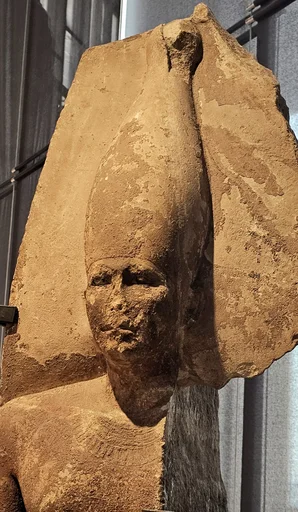
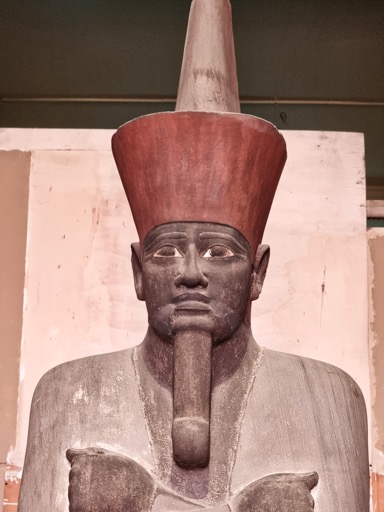
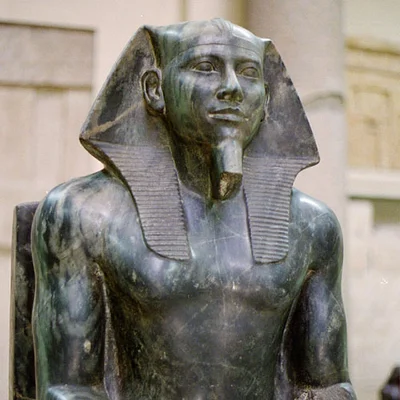
Khafre statue

Fourth Dynasty pharaoh who built the second-largest pyramid at Giza and is credited with commissioning the Great Sphinx, creating one of history's most enduring and enigmatic monuments.

Conversation Starters

Life Journey

2590 BCBorn as prince of Egypt

Khafre was born to Pharaoh Khufu, though likely not as his immediate heir. His mother was Queen Henutsen. He grew up in the shadow of the Great Pyramid's construction.

2578 BCWitnesses Great Pyramid completion

Young Khafre witnessed the completion of his father's monumental achievement, inspiring his own future ambitions for pyramid construction.

2572 BCDeath of father Khufu

Khufu died after his long reign. Khafre's older brother Djedefre initially succeeded to the throne, beginning his own pyramid at Abu Rawash.

2564 BCAscends to the throne

Following the death of his brother Djedefre, Khafre became pharaoh. He immediately began planning his pyramid complex at Giza, returning the royal necropolis to his father's chosen site.

2563 BCPyramid construction begins

Khafre began construction of his pyramid on slightly higher ground than Khufu's, giving it the illusion of being taller. It would reach 136 meters in height.

2560 BCSphinx commissioned

Khafre ordered the carving of the Great Sphinx from a natural limestone outcrop near his pyramid. The Sphinx bore his likeness and served as guardian of the necropolis.

2558 BCValley temple constructed

The magnificent valley temple was built using massive blocks of red granite and alabaster. The famous statue of Khafre with Horus was placed here.

2555 BCSphinx temple completed

The temple directly in front of the Sphinx was completed, aligned precisely with the rising and setting sun during the equinoxes.

2552 BCTrade expeditions expanded

Khafre sent expeditions to the Sinai for turquoise and to Nubia for gold and other resources. His reign saw continued prosperity and international trade.

2550 BCRoyal statuary program

Khafre commissioned numerous statues of himself, including the famous diorite statue showing him protected by Horus. These represent the finest Old Kingdom sculpture.

2547 BCPyramid complex nears completion

The main pyramid structure was completed with its smooth casing stones. The cap stone still retained its original casing, unlike the other Giza pyramids.

2545 BCQueens' pyramids built

Smaller satellite pyramids for Khafre's queens were constructed near his main pyramid, continuing the family burial tradition established by Khufu.

2542 BCCauseway completed

The 494-meter causeway connecting the valley temple to the mortuary temple was finished, featuring decorated walls depicting the pharaoh's divine nature.

2540 BCReligious reforms

Khafre strengthened the cult of Ra at Heliopolis and emphasized his role as the living Horus. His reign marked a high point in royal religious authority.

2538 BCSuccession preparations

Khafre began preparing his son Menkaure for succession, ensuring the continuation of the Fourth Dynasty and the completion of the Giza necropolis.

2535 BCFinal years of reign

In his final years, Khafre oversaw the completion of his mortuary complex and ensured proper preparations for his eternal afterlife.

2532 BCDeath and burial

Khafre died after approximately 26 years of rule. He was buried in his pyramid, leaving behind the Sphinx and second-largest pyramid as his eternal legacy.