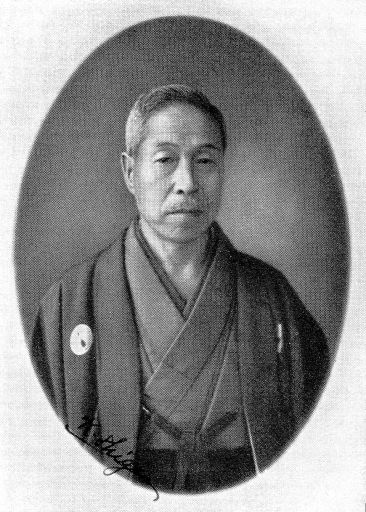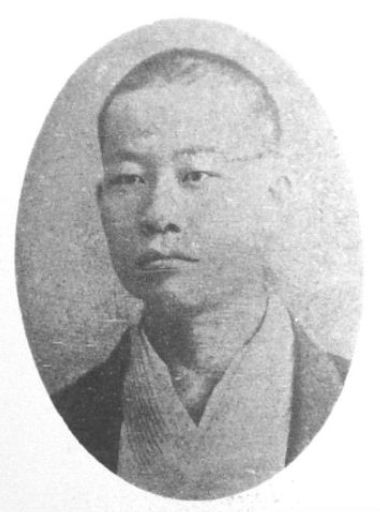
Quick Facts
A meticulous Meiji-era novelist and essayist who fused classical learning, moral rigor, and inventive storytelling.
Conversation Starters
Life Journey
Born as Koda Shigeyuki in Edo (later Tokyo) as the Tokugawa order collapsed and the Meiji Restoration began. Growing up amid reforms and social upheaval later shaped his fascination with tradition, discipline, and moral character.
As a boy he studied kanbun and classical literature, absorbing Chinese histories and moral writings valued in late-Edo education. This early training gave him a dense, allusive style and a lifelong respect for scholarship and self-cultivation.
In adolescence he pursued practical studies aligned with Meiji modernization, including technical and language training. The contrast between new institutions and old aesthetics became a recurring tension in his later fiction and essays.
He took employment connected to Japan's growing communications bureaucracy, gaining firsthand exposure to modern urban life. Even while working, he read widely and drafted fiction, testing how classical rhetoric could serve contemporary narrative.
Entering Tokyo's competitive literary circles, he started publishing and developed the persona 'Koda Rohan.' The name signaled his aspiration toward refined letters and a disciplined artistic path amid the bustling Meiji press culture.
With periodicals multiplying in Tokyo, he gained visibility through essays and stories aimed at a newly literate public. Editors sought his learned voice, and he honed a prose style that mixed moral reflection with vivid description.
He released the novella 'Gojuto,' set in the world of artisans and temple construction, portraying pride, restraint, and craftsmanship. Its Kyoto-inflected traditional setting offered a counterpoint to Westernized modernity and became his signature work.
Rohan's reputation grew alongside other Meiji writers associated with Ken'yusha and the flourishing Tokyo salon culture. He argued for literary seriousness rooted in ethics and classical learning, resisting purely sensational popular writing.
As Japan's public debates widened after the Sino-Japanese War, he increasingly wrote essays that blended aesthetics with ethical instruction. His criticism emphasized self-discipline and craft, mirroring the artisan ideals he celebrated in fiction.
In late 1890s Tokyo, he refined a highly textured style, balancing classical diction with modern narrative pacing. Readers and rivals recognized him as a stylist whose sentences carried the weight of older scholarship into new forms.
He produced essay collections that treated everyday objects and habits as gateways to ethics and aesthetics, later linked to the term 'Furoshiki.' Written for urban readers, they modeled how personal conduct and taste could be cultivated in modern life.
By the 1900s he held a secure place in Japan's national literary conversation, frequently read and discussed in Tokyo. His work stood as a conservative counterbalance to rising naturalism, stressing willpower and moral agency over determinism.
With the Taisho period beginning, Japan's cultural scene diversified and democratized, challenging older authorities. Rohan continued publishing and lecturing, presenting classical learning and craftsmanship as resources for a changing society.
As younger writers explored modernism and new urban sensibilities, he maintained an elder position in Tokyo letters. He assessed new trends with measured skepticism, insisting that technique and character mattered as much as novelty.
The 1923 Great Kanto Earthquake devastated Tokyo and disrupted publishing networks, libraries, and neighborhoods central to literary life. In its aftermath, Rohan's attachment to continuity and careful craft gained renewed poignancy for readers rebuilding their world.
During the late 1930s, Japan's wartime mobilization reshaped intellectual life and public discourse. Rohan, now an elder statesman, continued to write and reflect, often turning to history and ethics rather than overt political argument.
Japan's surrender in 1945 and the Allied Occupation transformed education, censorship, and cultural institutions. Rohan's long career spanning Edo memory to postwar reality made him a living bridge to earlier literary ideals and moral vocabularies.
He died in postwar Tokyo after nearly six decades of writing that shaped modern Japanese prose and criticism. Readers remembered him for rigorous style, artisan ethics, and a worldview that held tradition and modernity in productive tension.