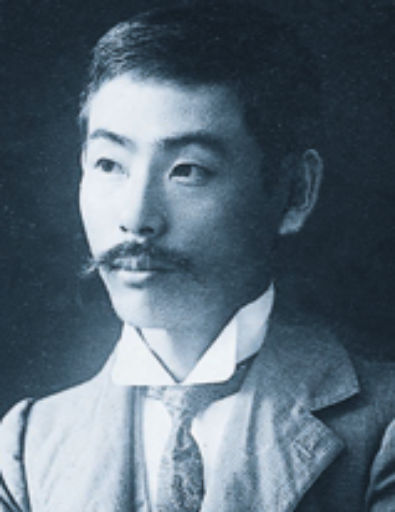
Quick Facts
A Meiji-era realist who fused romantic ideals with sharp social observation, shaping modern Japanese prose and journalism.
Conversation Starters
Life Journey
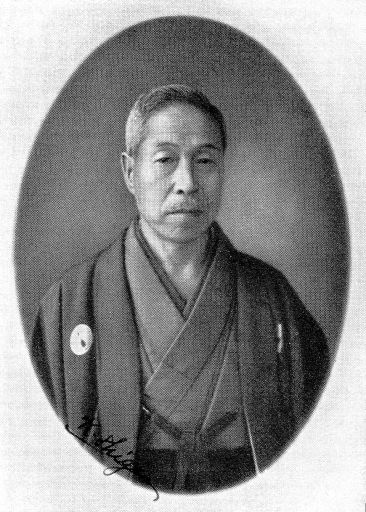
He was born as Kunikida Tetsuo in Choshi, Chiba, as Japan rapidly modernized after the Meiji Restoration. The social upheaval and new education system around him later became a backdrop for his literary realism.
As a teenager he pursued rigorous study under the modern curriculum that blended classical learning with Western ideas. This period nurtured his disciplined habits and sharpened his interest in how education could remake individual lives.
He was baptized and became active in Christian study groups that connected faith, ethics, and social reform in the new nation-state. Christian moral language and inner conflict later surfaced in his characters’ sense of duty and conscience.
He deepened his English studies and read Western authors circulating in Meiji translation and classrooms. Encounters with European realism and romantic poetry helped him form a style that balanced idealism with precise observation.
He started publishing essays and fiction in magazines that shaped Tokyo’s literary marketplace. The editorial culture of the period demanded clarity and topicality, training him to write vividly about contemporary people and places.
With Japan mobilizing for war and empire, he worked in journalism that brought him close to politics and everyday hardship. The experience strengthened his commitment to depicting real social conditions rather than purely romantic plots.
He increasingly wrote stories focused on common people, their labor, and the quiet weight of moral choices. This shift aligned him with emerging naturalist and realist tendencies in Meiji literature while retaining lyrical sensitivity.
His fiction gained attention for portraying individuals shaped by modernization, poverty, and fragile hope. Editors and readers valued his exact descriptive passages, which made Tokyo’s streets and provincial landscapes feel immediate and true.
In 'Musashino' he treated the plains west of Tokyo as a living record of history, seasons, and human memory. The essay’s quiet precision helped redefine nature writing as a serious modern genre rather than mere decoration.
He cultivated ties across magazine circles where writers, editors, and reporters debated realism, morality, and national direction. His example of disciplined daily work and careful revision influenced peers seeking a modern Japanese prose style.
In 'Unforgettable People' he drew memorable portraits based on keen observation and sympathy, avoiding melodrama in favor of detail. The work showed how small encounters in modern life could reveal character, class, and loneliness.
He wrote under tight deadlines for newspapers while continuing short stories that demanded patience and structure. The tension between public reportage and private artistry sharpened his ability to render scenes quickly yet meaningfully.
By the early 1900s his work was widely read and discussed as a model of modern realism infused with ethical concern. His depictions of provincial life and urban pressures spoke to readers navigating rapid industrial and cultural change.
As the Russo-Japanese War stirred patriotic fervor, he watched how war reshaped families, jobs, and public speech. His writing from this era kept attention on individual cost and moral complexity beneath national triumphalism.
Chronic illness increasingly limited his stamina, yet he continued producing fiction and journalism with relentless regularity. Friends and colleagues noted the strain, and themes of fragility and endurance grew more pronounced in his work.
As tuberculosis progressed he spent long periods under medical care, still revising pieces and discussing literature with visitors. The period highlighted his devotion to craft and his wish to leave clear, finished work behind.
He died in Tokyo as tuberculosis claimed many artists and workers in crowded modern cities. After his death, readers and writers continued to cite his clear-eyed compassion and landscape prose as foundations of modern Japanese literature.