Quick Facts
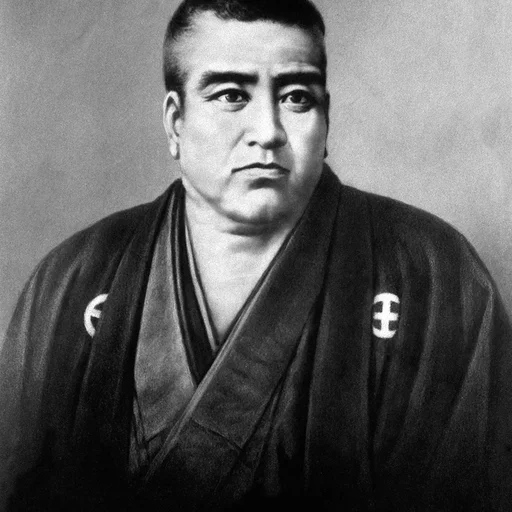
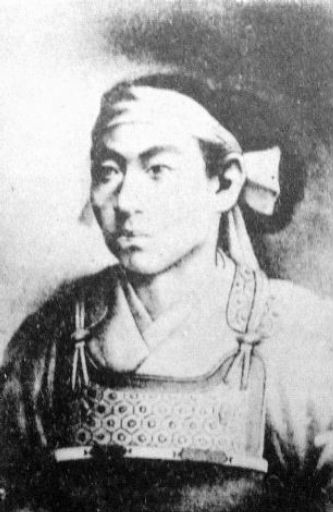
Fiery Choshu samurai reformer who fused scholarship and action, driving sonnō jōi radicalism in Bakumatsu Japan.
Conversation Starters
Life Journey
Born in Hagi in Nagato Province, within the Choshu Domain ruled by the Mori clan. Raised in a warrior-bureaucrat culture that prized learning and service, he was groomed for both scholarship and political duty.
As a boy in Hagi, he immersed himself in Confucian texts and samurai ethics taught by domain instructors. The late-Tokugawa climate of reform debates shaped his early sense that knowledge must serve national survival.
News of Commodore Matthew Perry’s black ships reaching Japan reverberated even in distant Choshu. The crisis intensified his belief that the country faced coercion by Western powers and needed decisive political change.
He studied at Shoka Sonjuku, the private academy led by Yoshida Shoin in Hagi, alongside students like Takasugi Shinsaku. Shoin’s insistence on action, loyalty, and national purpose became the core of his worldview.
The Ansei Purge under Ii Naosuke targeted imperial loyalists and reformers, confirming his view that the shogunate would silence dissent. He deepened ties to activists who argued that legitimacy must return to the emperor in Kyoto.
When Yoshida Shoin was executed in Edo, the loss hardened his resolve and sanctified martyrdom as a political language. He carried Shoin’s teachings into a new generation of Choshu militants determined to confront Tokugawa authority.
He traveled to Kyoto and joined circles around court nobles sympathetic to the sonnō jōi cause, seeking imperial backing for anti-shogunate pressure. The city’s mix of courtiers, samurai, and spies became his political battlefield.
Within Choshu’s delegation, he argued that expelling foreign influence required restoring decisive imperial leadership. His speeches and letters helped unify young samurai into disciplined cliques that could act quickly in Kyoto’s turmoil.
He coordinated with Takasugi Shinsaku and other Shoka Sonjuku alumni as Choshu’s internal politics tilted toward confrontation. Their shared teacher and shared urgency created a powerful, sometimes reckless, engine for action.
Choshu radicals gained leverage in Kyoto, and he pressed for court edicts that would constrain the shogunate and condemn foreign treaties. The campaign intensified rivalries with Aizu and Satsuma forces tasked with guarding court order.
The 18 August coup drove Choshu partisans from Kyoto as Satsuma and Aizu backed a court realignment against radicals. His expulsion marked a strategic defeat and set the stage for violent escalation between domains and the shogunate.
Back in Hagi, he worked with comrades to rebuild political momentum and to reclaim influence at court. The atmosphere mixed grief, anger, and planning, as Choshu prepared for another high-risk move against its enemies.
He argued that negotiation had failed and that a forceful return to Kyoto was necessary to defend the emperor from hostile guards. The decision reflected both ideological certainty and desperation after the coup’s humiliation.
Choshu troops advanced on Kyoto and clashed with Aizu and Satsuma defenders near the Imperial Palace in the Hamaguri Gate Incident. Fighting and fires spread through the city, and the failed assault triggered harsh retaliation against Choshu.
Wounded during the Kyoto fighting, he died shortly after the collapse of the Choshu assault, ending a life defined by urgent conviction. His death was remembered by imperial loyalists as a sacrifice that foreshadowed the Meiji Restoration’s upheaval.
In the years after his death, Choshu leaders who survived—such as Ito Hirobumi and Yamagata Aritomo—helped build the new Meiji state. His memory served as a symbol of uncompromising loyalty and the costs of revolutionary politics.