Quick Facts
Child emperor, died at seven. His brief reign marked the end of one dynasty and the beginning of Rome's long transformation.
Conversation Starters
Life Journey
Leo II was born to Zeno, an Isaurian military commander, and Ariadne, daughter of Emperor Leo I. His birth connected the Isaurian dynasty with the legitimate Theodosian line through his mother.
As the only grandson of Emperor Leo I through his daughter Ariadne, young Leo held a unique position in imperial succession. His grandfather had no surviving sons, making Leo a potential heir to the throne.
As Leo I's health declined and with no male heirs, the young Leo II became increasingly important to the dynasty. His Isaurian father Zeno gained influence at court through this connection.
Leo II began receiving education befitting a potential emperor, learning Greek, Latin, Christian theology, and the ceremonial duties of Byzantine royalty under the supervision of palace tutors.
The death of Patriarch Gennadius I of Constantinople brought changes to the religious landscape. Young Leo witnessed the complex relationship between imperial and ecclesiastical power in Byzantine politics.
Emperor Leo I elevated his grandson to the rank of Caesar, formally recognizing him as heir to the throne. This bypassed Zeno, who many considered unsuitable due to his Isaurian origins.
On January 18, 474, the dying Emperor Leo I crowned his young grandson as co-emperor Leo II. The elderly emperor died just days later on February 3, leaving the seven-year-old as sole Augustus.
Upon his grandfather's death, Leo II became the youngest sole ruler of the Roman Empire. However, due to his age, he could not effectively govern, creating a political crisis in Constantinople.
Under pressure from the Senate and his mother Ariadne, young Leo II crowned his father Zeno as co-emperor on February 9, 474. This unprecedented act saw a child emperor elevate his own father to imperial status.
Despite being emperor, Leo II lived as a child in the Great Palace of Constantinople, surrounded by eunuchs, tutors, and court officials who managed affairs of state while he played and studied.
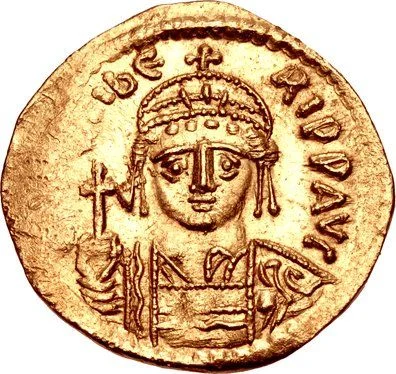
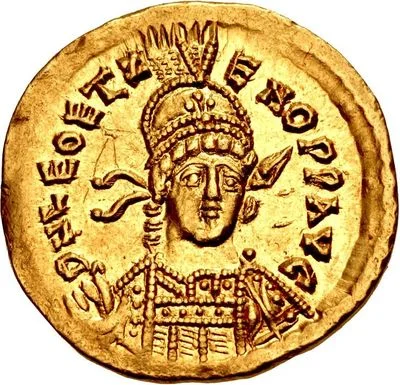
Coins bearing Leo II's image were minted throughout the empire, showing him in imperial regalia. Some coins depicted him alongside his father Zeno, representing their co-rule.
As emperor, Leo II participated in important religious ceremonies at the Hagia Sophia and other churches, though his young age meant these appearances were largely ceremonial rather than substantive.
The imperial court was divided between supporters of Zeno and those who resented Isaurian influence. Young Leo II was caught in the middle of these dangerous political machinations.
Empress Ariadne played a crucial role in protecting her son and managing court politics. Her status as daughter of Leo I gave her considerable authority in the palace.
Leo II's reign, though lasting less than a year, was historically significant. He was the last ruler with any direct connection to the Theodosian dynasty through his mother's line.
In late 474, Leo II fell seriously ill with what contemporary sources describe as a wasting disease. Despite the best efforts of imperial physicians, his condition rapidly deteriorated.
As Leo II lay dying, his father Zeno was positioned to become sole emperor. The court mourned the young emperor who had shown promise but was struck down by disease before he could truly rule.
Leo II died in November 474, just ten months after becoming emperor. His death left his father Zeno as sole ruler, though his brief reign represented the end of the Theodosian connection to the Byzantine throne.