Datos rápidos
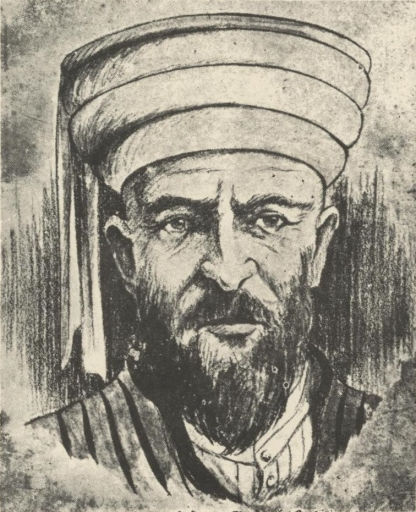
Un ambicioso gobernante otomano que se expandió en los Balcanes, reformó las instituciones del Estado y murió en el campo de batalla de Kosovo.
Inicios de conversación
Trayectoria vital
Nació como hijo de Orhan Gazi y Nilufar Hatun mientras el beylik otomano crecía en torno a Bursa tras la guerra de frontera con Bizancio. Se crio entre la corte, el campamento y las redes de derviches que moldearon la legitimidad y la disciplina del temprano poder otomano.
Como joven príncipe, aprendió a gestionar ingresos de timar, negociar con notables locales y dirigir incursiones en fronteras disputadas. El contacto con comandantes gazi y eruditos islámicos lo preparó para equilibrar conquista y gobierno.
Las fuerzas otomanas obtuvieron una cabeza de puente duradera cerca de Gallípoli, lo que permitió operaciones continuas a través de los Dardanelos hacia Tracia. El movimiento abrió nuevas rutas de asentamiento y abastecimiento, acelerando la implicación otomana en las rivalidades balcánicas.
Después de que un terremoto debilitara las defensas bizantinas de la región, tropas y colonos otomanos avanzaron con rapidez hacia posiciones clave de Tracia. El progreso reforzó el control otomano de los pasos y presionó los territorios europeos que aún mantenía Constantinopla.
Sucedió a Orhan Gazi y heredó una entidad política en transición de principado fronterizo a Estado centralizado. Murad reforzó la autoridad de la corte frente a los clanes guerreros, buscando coordinar campañas e impuestos en tierras en expansión.
Las fuerzas otomanas tomaron Edirne, un nodo estratégico que enlazaba Tracia con los Balcanes, y Murad gobernó cada vez más desde allí. La ciudad se convirtió en una capital avanzada para la administración balcánica, la diplomacia y la logística militar.
En la batalla de Maritsa, las fuerzas otomanas derrotaron al ejército de Vukašin y Jovan Uglješa, debilitando el poder serbio en Macedonia. La derrota empujó a varios señores balcánicos hacia acuerdos tributarios, ampliando la influencia otomana sin anexión directa.
Murad integró los nuevos territorios mediante cadíes, guarniciones y concesiones de timar que vinculaban el servicio de caballería a ingresos locales. Al estandarizar mando y justicia, hizo duradera la conquista y redujo la dependencia de líderes de incursión independientes.
Con Tracia cada vez más controlada por los otomanos, los emperadores bizantinos afrontaron el cerco y obligaciones tributarias intermitentes. Murad empleó diplomacia, rehenes y campañas oportunas para mantener a Constantinopla políticamente limitada.
Murad amplió las tropas de la casa, incluyendo a los jenízaros, para contrapesar a la caballería provincial y a facciones de la élite. La leva y el sistema de formación palaciega profundizaron el control estatal al crear soldados y funcionarios leales al sultán.
Una revuelta que implicó a su hijo Savcı Bey y vínculos con Bizancio sacudió la confianza en la estabilidad dinástica. La dura respuesta de Murad señaló que la autonomía principesca quedaría subordinada a la autoridad central y a normas de sucesión ordenada.
Los ejércitos otomanos avanzaron por valles y fortalezas clave, forzando a los gobernantes locales al vasallaje y al tributo. Murad combinó asedios con acuerdos negociados, asegurando que las líneas de suministro y las rutas estacionales quedaran protegidas.
Murad perfeccionó la asignación de timar y el mando provincial, vinculando la renta de la tierra a obligaciones de servicio y convocatorias regulares. Estas medidas mejoraron la preparación de las campañas y redujeron la volatilidad de las incursiones fronterizas a medida que el imperio maduraba.
Las fuerzas otomanas capturaron nodos importantes que controlaban el movimiento entre los corredores del Morava y el Vardar, reforzando el control estratégico. Las ganancias limitaron la coordinación serbia y búlgara e hicieron habitual la intervención otomana en disputas regionales.
Las fuerzas serbias infligieron un revés cerca de Pločnik, revelando vulnerabilidades en destacamentos de incursión y rutas sobreextendidas. Murad respondió preparando campañas más grandes y coordinadas para reafirmar el dominio y disuadir rebeliones.
Murad se movió para estabilizar las obligaciones de vasallaje y castigar la defección, usando tanto la diplomacia como marchas decisivas. Sus operaciones señalaron que el estatus tributario era exigible, moldeando la política balcánica en torno a la presencia militar otomana.
En Kosovo Polje, Murad se enfrentó a una coalición dirigida por el príncipe Lazar, con fuertes pérdidas en ambos bandos en combates cerrados de infantería. Tras la batalla fue asesinado, tradicionalmente por Miloš Obilić, lo que lo convirtió en el único sultán otomano que murió en un campo de batalla.