Kurzinfo
Die Grosse Konigliche Gemahlin von Ramses II., gilt als eine der schonsten und geliebtesten Koniginnen des alten Agypten. Ihr prachtige Grab im Tal der Koniginnen ist fur seine atemberaubende Kunstfertigkeit weltberuhmt.
Gesprächseinstiege
Lebensweg
Geboren in eine agyptische Adelsfamilie. Ihr Name bedeutet auf Altagyptisch 'Schone Gefahrtin'.
Heiratete den jungen Prinzen Ramses, bevor er Pharao wurde. Ihre Verbindung sollte eine der gefeiertsten koniglichen Ehen der agyptischen Geschichte werden.
Gebar ihren ersten Sohn, der Kronprinz werden sollte. Nefertari schenkte Ramses mindestens vier Sohne und zwei Tochter.
Als Ramses II. den Thron bestieg, wurde Nefertari Grosse Konigliche Gemahlin - die hochste Position fur eine Konigin im alten Agypten.
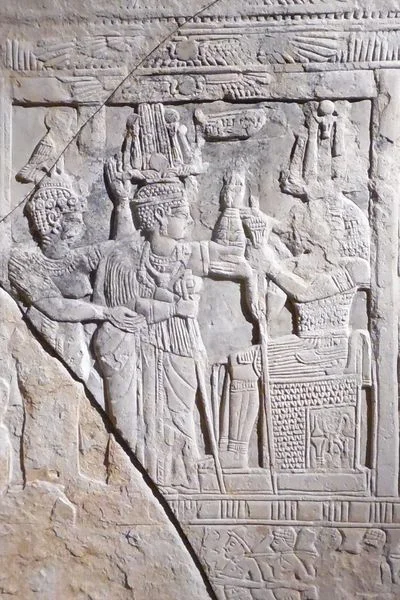
Prominent in den Dekorationen des Luxor-Tempels dargestellt, bei der Teilnahme an religiosen Zeremonien an der Seite des Pharaos.
Gebar Prinzessin Meritamun, die spater nach ihrer Mutter Grosse Konigliche Gemahlin wurde.
Unterstutzte Ramses in den Nachwirkungen der Schlacht von Kadesch und half, die Stabilitat des Hofes in einer kritischen Zeit zu wahren.
Ubernahm wichtige religiose Pflichten im Karnak-Tempel und diente dem Gott Amun. Koniginnen hatten selten so bedeutende religiose Rollen.
Der kleinere Tempel von Abu Simbel wurde Nefertari und der Gottin Hathor geweiht. Sie wurde in derselben Grosse wie der Pharao dargestellt - eine beispiellose Ehre.
Fuhrte diplomatische Korrespondenz mit Puduhepa, der Konigin der Hethiter. Diese Briefe zeigen ihren politischen Einfluss und diplomatisches Geschick.
Spielte eine Rolle beim historischen Friedensvertrag zwischen Agypten und den Hethitern und tauschte Briefe mit der hethitischen Konigin aus, um das Bundnis zu festigen.
Auf dem Hohepunkt ihres Einflusses wurde Nefertari in mehr Monumenten und Inschriften dargestellt als jede fruhere agyptische Konigin.
Ihre Gesundheit begann nachzulassen, moglicherweise durch Komplikationen mehrfacher Geburten. Sie zog sich allmahlich von offentlichen Pflichten zuruck.
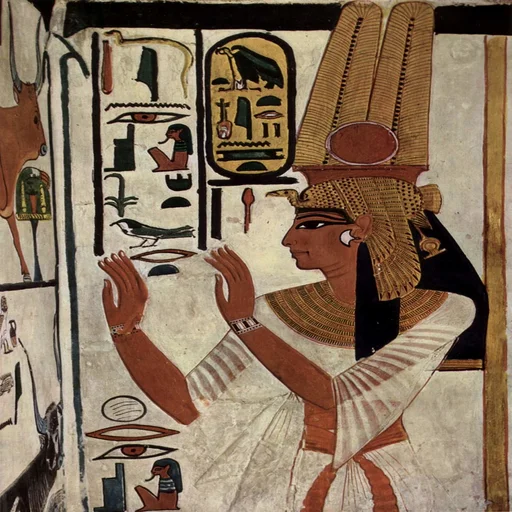
Der Bau ihres prachtvollen Grabes (QV66) im Tal der Koniginnen begann, mit einigen der schonsten Kunstwerke des alten Agypten.
Ihr letzter bekannter offentlicher Auftritt bei der Einweihungszeremonie der Abu-Simbel-Tempel - ein Denkmal ihrer ewigen Liebe.
Nefertari starb und wurde in ihrem prachtvoll dekorierten Grab beigesetzt. Ramses liess einmeisseln: 'Meine Liebe ist einzigartig - niemand kann ihr gleichkommen. Sie ist die schonste aller Frauen.'