Quick Facts
Wandering monk, challenger of emperors. He walked from Ethiopia to Egypt to Armenia, spreading a vision of faith that the Church tried—and failed—to silence.
Conversation Starters
Life Journey
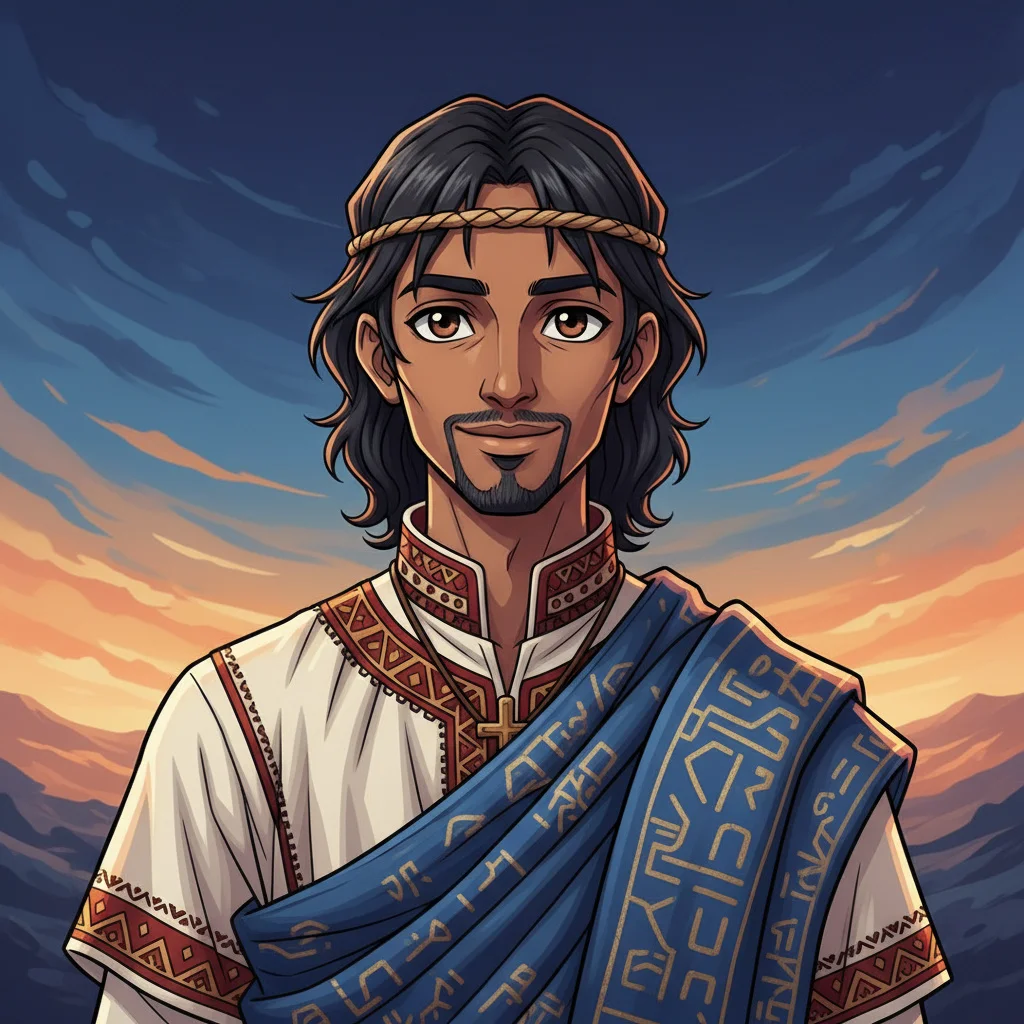
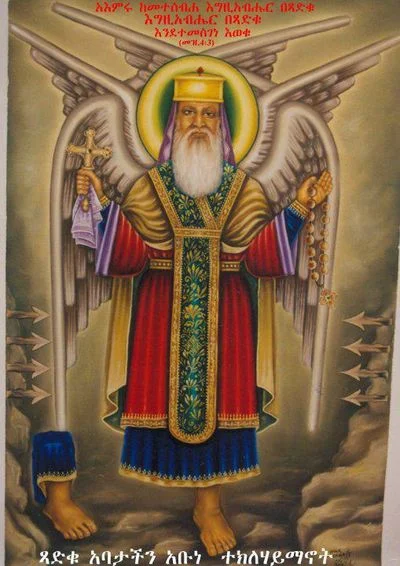
Ewostatewos was born in the Tigray region of Ethiopia. Little is known about his early family life, but he would become one of the most influential religious reformers in Ethiopian Orthodox history.
Ewostatewos entered a monastery as a young man, dedicating himself to religious study and prayer. He learned the scriptures and traditions of Ethiopian Orthodox Christianity.
Ewostatewos was ordained as a priest in the Ethiopian Orthodox Church. He began his lifelong mission of promoting stricter observance of religious practices.
Ewostatewos began teaching the importance of observing both Saturday and Sunday as holy days, based on his interpretation of scripture. This teaching would define his movement.
Ewostatewos founded his own monastic community where strict observance of religious laws was practiced. His followers became known as Ewostathians.
Ewostatewos came into conflict with the Ethiopian church hierarchy over his teaching on Sabbath observance. The established church opposed his dual Sabbath practice.
Facing persecution for his teachings, Ewostatewos decided to leave Ethiopia. He planned a pilgrimage that would take him through Egypt and to the Holy Land.
Ewostatewos traveled through Egypt, visiting Coptic Christian communities. He observed their practices and engaged in theological discussions with Egyptian monks.
Ewostatewos reached Jerusalem and visited the holy sites. He prayed at the Church of the Holy Sepulchre and other sacred locations in the Holy Land.
After his pilgrimage, Ewostatewos traveled to Armenia where he was received by the Armenian Christian community. He spent years there teaching and writing.
Ewostatewos composed theological treatises defending his teachings on Sabbath observance and monastic discipline. These writings would guide his followers for centuries.
Ewostatewos gathered Ethiopian followers in Armenia and established a monastic community there. He continued his teaching and spiritual practices in exile.
Despite Ewostatewos's absence, his movement continued to grow in Ethiopia. His disciples maintained his teachings and expanded the Ewostathian communities.
Ewostatewos spent his final years in Armenia, continuing his spiritual practices and guiding his followers through letters and teachings sent to Ethiopia.
Ewostatewos died in Armenia in 1326. He was later recognized as a saint by the Ethiopian Orthodox Church, and his movement was eventually accepted as orthodox.