Quick Facts
In an age of chaos, he kept Ethiopian Christianity alive. Monk, leader, bridge between a troubled past and an uncertain future.
Conversation Starters
Life Journey
Gebra Masqal was born into the royal house of Aksum, the ancient Ethiopian kingdom that had been Christian since the fourth century. His birth name and early life remain obscure, as is typical for this era of Ethiopian history.
As a prince of the Christian Aksumite kingdom, Gebra Masqal received education in Ge'ez scripture, church traditions, and royal governance. The Ethiopian Orthodox Church played a central role in court life and the young prince's formation.
The Aksumite kingdom under King Kaleb intervened in Yemen to protect Christian communities persecuted by the Jewish Himyarite king Dhu Nuwas. This expedition established Aksumite presence in southern Arabia and demonstrated the kingdom's military power.
Gebra Masqal emerged as a significant figure in the Aksumite royal court during the reign of King Kaleb. His piety and administrative abilities marked him as a potential successor to lead the Christian kingdom.
Gebra Masqal became King of Aksum during the height of the kingdom's power. He inherited an empire controlling the Red Sea trade routes and receiving embassies from the Byzantine Empire, Persia, and other major powers of the era.
Gebra Masqal maintained and strengthened the alliance between Christian Aksum and the Byzantine Empire against Persia. The religious and commercial ties between the two Christian powers made Aksum an important player in sixth-century geopolitics.
Under Gebra Masqal, Aksum maintained control over the Arabian coastline and vital Red Sea trade routes. The kingdom profited enormously from commerce between the Roman Mediterranean world and the Indian Ocean trading system.
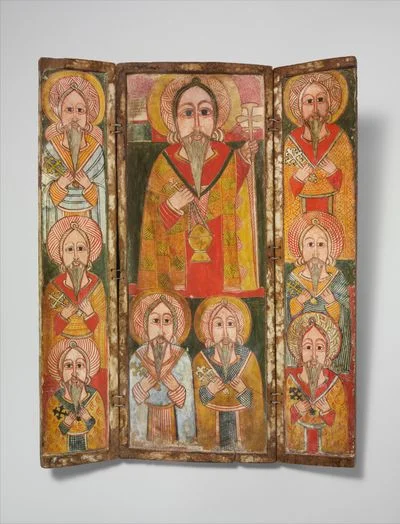
Gebra Masqal was renowned for constructing churches and supporting the Ethiopian Orthodox Church. His religious patronage reinforced the Christian identity of the Aksumite kingdom and strengthened ties with Egyptian Coptic Christianity.
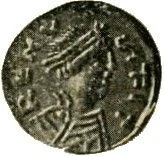
The reign of Gebra Masqal saw continued flourishing of Aksumite culture, including the development of Ge'ez literature and Christian art. The kingdom remained one of the most sophisticated civilizations of its era, minting its own coinage.
Gebra Masqal received diplomatic missions from the Byzantine Emperor Justinian I, who sought Aksumite support against Persia. The embassy highlighted Aksum's importance as a Christian ally and trading partner in the struggle for control of eastern trade.
Aksumite control over Arabian territories began to weaken during the mid-sixth century. Local Arab rulers reasserted themselves, and the Aksumite presence that had protected Arabian Christians would eventually end entirely with Persian intervention.
As Arabian territories slipped away, Gebra Masqal refocused Aksumite power on the Ethiopian highlands. He strengthened the kingdom's core territories and continued to develop the Christian infrastructure that would sustain Ethiopian civilization.
Gebra Masqal maintained diplomatic relations with the Byzantine Empire and other Christian powers. Aksumite envoys were received at Constantinople, and the kingdom remained an important ally in Byzantine efforts to contain Persian expansion.
In his later years, Gebra Masqal devoted increasing attention to religious patronage and church affairs. His piety earned him veneration in Ethiopian Orthodox tradition, where he is remembered as one of the great Christian kings.
Gebra Masqal's reign ended around this time, though exact dates are uncertain. He was remembered as one of the great Christian kings of Aksum, presiding over the kingdom during its last era of international power and cultural achievement before the rise of Islam transformed the region.