Quick Facts
Granada's Nasrid dynasty founder: Muhammad I, power forged in Al-Andalus.
Conversation Starters
Life Journey
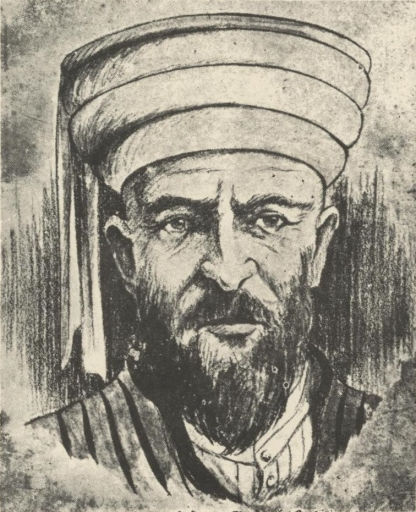
Muhammad ibn Yusuf ibn Nasr was born in Arjona to the Nasrid family, descendants of the Arab Khazraj tribe. He would found the Nasrid dynasty and the Emirate of Granada.
Rose to prominence as a local military leader during the fragmentation of Almohad power in Al-Andalus. His military skills earned him followers among the local population.
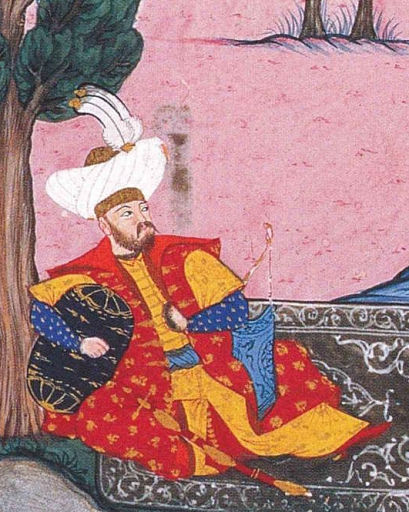
Was proclaimed sultan by the people of Arjona, taking the title Muhammad I. This marked the foundation of the Nasrid dynasty that would rule Granada for over 250 years.
Captured the important city of Jaen, expanding his territory. The city would remain a contested frontier zone between Muslim and Christian powers.
Conquered Granada and made it his capital, founding the Emirate of Granada. This began the transformation of Granada into the last major Muslim state in Iberia.
Initiated the construction of the Alhambra palace complex on the Sabika hill. The fortress-palace would become one of the greatest architectural achievements of Islamic civilization.
Negotiated a treaty becoming a vassal of Castile in exchange for peace and protection. This pragmatic alliance would allow Granada to survive for another 250 years.
Surrendered Jaen to Ferdinand III as part of the vassalage agreement, reportedly aiding in its siege. His motto 'There is no victor but God' was adopted after this humbling event.
As a Castilian vassal, provided troops to assist Ferdinand III in the conquest of Seville. This controversial act secured Granada's survival through diplomacy.
Continued major construction on the Alhambra, including the Alcazaba fortress and early palace structures. The complex became both royal residence and military stronghold.
Granada became a refuge for Muslims fleeing Christian conquests elsewhere in Iberia. The population and cultural life of the emirate flourished with these arrivals.
Oversaw the development of Granada's silk industry and agricultural terraces in the Alpujarras mountains. The emirate became prosperous despite its reduced territory.
Finished the main defensive works of the Alhambra, creating an impregnable citadel. The walls and towers he built still stand today.
Made arrangements for his son Muhammad II to succeed him, ensuring dynastic continuity. The Nasrids would rule Granada until 1492.
Died in Granada after a reign of over 40 years. He transformed a small territory into a lasting emirate and began the Alhambra, leaving an enduring legacy of Islamic art and architecture in Spain.