Quick Facts
A former slave who founded the Delhi Sultanate, he reshaped North India through conquest, patronage, and monument-building.
Conversation Starters
Life Journey
Born in Central Asia, Aibak was captured and sold as a young slave in the turbulent frontier markets. His early displacement shaped a life of military training, patronage networks, and the politics of elite mamluk households.
In Nishapur, he is traditionally said to have been purchased by a Qazi who provided schooling in Persian, etiquette, and religious learning. This Persianate education later helped him govern in a court culture that prized literature and administration.
Aibak came into the service of Mu'izz al-Din Muhammad of Ghor, whose expansionist campaigns targeted northern India. Within this military household, he rose through loyalty and competence, becoming one of the most trusted Turkic commanders.
In the struggle against the Chahamana ruler Prithviraj Chauhan, Ghurid forces fought at Tarain near Thanesar. The initial setback forced strategic recalibration, and Aibak’s experience in cavalry warfare became increasingly valuable to the Ghurid cause.
The Ghurids defeated Prithviraj Chauhan at Tarain, opening the Indo-Gangetic plain to sustained conquest. Aibak, as a principal commander, helped turn battlefield success into occupation, garrisons, and revenue control around Delhi and Ajmer.
After Ghurid victories, Aibak moved to secure Ajmer and surrounding strategic forts, balancing coercion with local arrangements. These measures stabilized lines of communication and allowed the new regime to extract revenue in contested regions.
Following the Ghurid defeat of Jayachandra of Kannauj at Chandawar, the political center of North India fractured. Aibak’s forces benefited from this collapse, enabling wider control over key routes and towns across the Ganga-Yamuna Doab.
Muhammad of Ghor relied on Aibak to administer newly conquered Indian territories while the sultan campaigned elsewhere. From Delhi and Lahore, Aibak coordinated governors, collected tribute, and organized defenses against regional resistance.
Ghurid forces pushed into Gujarat, clashing with the Chaulukya (Solanki) realm centered at Anhilwara Patan. Aibak helped stabilize the aftermath by placing officers, overseeing spoils, and reinforcing the image of Ghurid power in western India.
As resistance flared in newly annexed regions, Aibak conducted rapid punitive expeditions and strengthened garrisons. These actions tied Delhi more firmly to an expanding military-fiscal system supported by Turkic commanders and Persian administrators.
In Delhi, Aibak sponsored major building projects to symbolize the new order, including the Quwwat-ul-Islam Mosque complex. The architecture blended local craftsmanship with Persianate ambitions, projecting authority through public religious space and stonework.
Aibak is credited with initiating the Qutb Minar, a towering minaret linked to the Delhi mosque complex and the memory of conquest. The structure served as propaganda in stone, marking the city as the headquarters of a durable Indo-Islamic polity.
As Khwarazmian power rose and steppe politics shifted, the Ghurid world faced mounting instability. Aibak focused on maintaining supply lines, loyalty among amirs, and the defensibility of Punjab and Delhi against opportunistic challengers.
When Muhammad of Ghor was assassinated near the Indus, the Ghurid empire splintered among competing commanders. In Lahore, Aibak asserted his authority, laying the foundation of the Delhi Sultanate as a separate and enduring state.
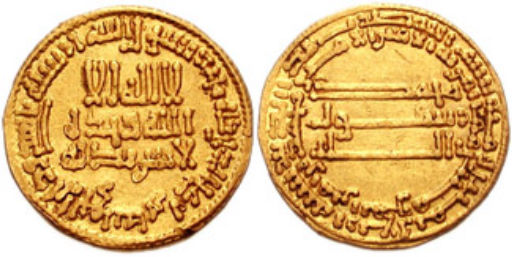
Aibak assumed the title of sultan and sought recognition through court ceremony, coinage, and patronage. His rule depended on balancing Turkic slave-commanders, Persian bureaucrats, and local elites across a vast, recently conquered landscape.
Power struggles erupted among former Ghurid lieutenants, including Taj al-Din Yildiz in Ghazni and Nasir al-Din Qabacha in Multan. Aibak maneuvered diplomatically and militarily to keep Punjab and Delhi aligned under his leadership.
Chroniclers remembered Aibak as a lavish giver, earning the epithet 'Lakh Baksh' for generous grants and gifts. Patronage helped bind commanders and scholars to his court, shoring up legitimacy during a fragile dynastic beginning.
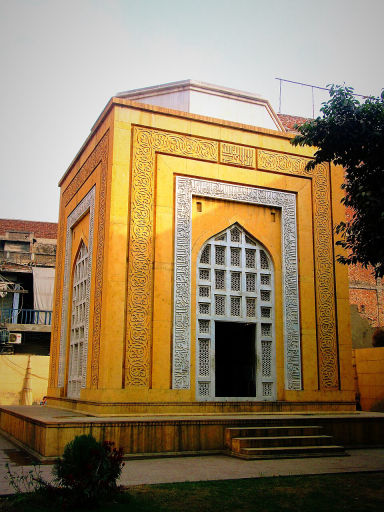
Aibak died after falling from his horse while playing polo (chovgan), a sport favored by Turkic elites. His death triggered a contested succession that ultimately elevated his son-in-law Iltutmish, who consolidated the Delhi Sultanate’s institutions.