Quick Facts
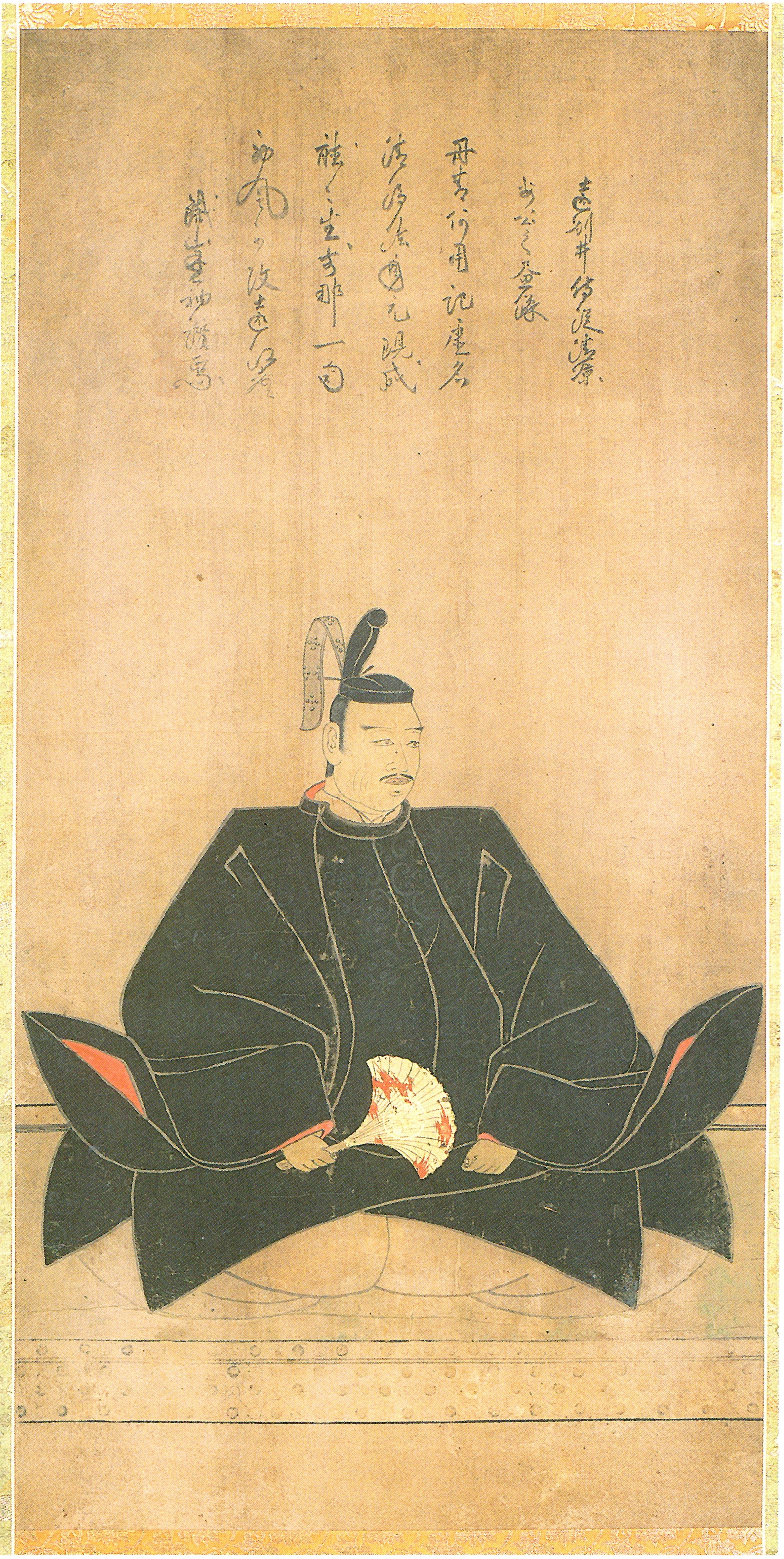
A young Heike court warrior famed for elegance, flute music, and a tragic death at Ichi-no-Tani.
Conversation Starters
Life Journey
Born into the powerful Taira (Heike) lineage as Kyoto court politics increasingly revolved around Taira no Kiyomori’s dominance. His early life unfolded amid aristocratic ceremony, poetry, and the martial expectations of noble houses.
Raised in Kyoto’s courtly milieu, he learned formal speech, dress, and the aesthetics prized by Heian nobles. At the same time, Taira retainers ensured he practiced horsemanship and weapons skills expected of a clan warrior.
He became associated with refined music-making, especially the flute, which signaled elite taste and composure. Court gatherings in Kyoto used music to display status, and his reputation grew within the Heike household’s cultivated image.
With the outbreak of the Genpei War between the Taira and Minamoto, youthful nobles were pulled into a world of rapid mobilization. The conflict transformed court competition into open warfare across provinces and coastal routes.
Taira authority still appeared unassailable in Kyoto, supported by Kiyomori’s influence and alliances at court. Yet rumors of Minamoto resistance and provincial unrest signaled that the Heike’s polished façade faced severe tests.
After Taira no Kiyomori’s death in 1181, the clan’s leadership became more fragile and reactive. The Heike withdrew from Kyoto’s center of power, and younger members like Atsumori entered service under tightening military pressure.
As the war intensified, the Heike increasingly relied on western Japan’s ports and fortresses to maintain supply lines. The movement away from Kyoto meant leaving familiar court life for encampments, ships, and defensive positions.
He served among Taira attendants and warriors as the clan maneuvered along the Inland Sea’s corridors. These deployments mixed patrols, garrison duty, and ceremonial obligations, highlighting the Heike’s attempt to remain both noble and martial.
Minamoto pressure forced the Taira to abandon Kyoto, a seismic blow to their legitimacy and prestige. The retreat carried court treasures and dependents westward, and it deepened the sense that the old order was unraveling.
The Heike concentrated around coastal defenses and naval movement, relying on ships to connect bases. For a young warrior, this meant living close to the sea, ready for sudden raids and rapid redeployment to contested shorelines.
Heike commanders fortified the Ichi-no-Tani area, hoping terrain and coastal access would blunt Minamoto assaults. Reports of Minamoto no Yoshitsune and Minamoto no Noriyori signaled that a coordinated attack was imminent.
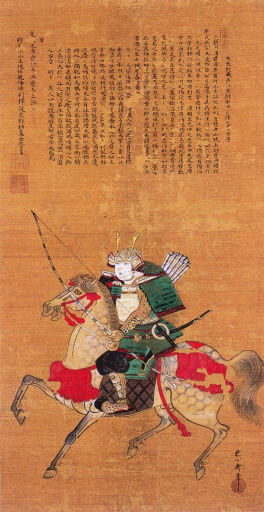
Accounts later emphasize that he kept a flute, a poignant emblem of aristocratic refinement amid chaos. The object contrasted sharply with armor and battle standards, reinforcing the Heike image of beauty shadowed by impermanence.
Minamoto forces struck the Heike position at Ichi-no-Tani, with attacks that overwhelmed defenses and drove panic toward the shoreline. The fighting compressed into brutal close combat, as retreat routes narrowed between cliffs and sea.
Separated during the rout, he was confronted by the Minamoto warrior Kumagai Naozane near the water’s edge. Tradition depicts Kumagai recognizing the youth’s status and hesitating, yet killing him to avoid disgrace and pursuit.
His death was remembered as an emblem of the Heike’s fall: youthful elegance extinguished by civil war. Narratives stress the discovery of his flute and the grief of enemies, shaping a moral lesson about impermanence and compassion.
Later stories connect Atsumori’s death to Kumagai Naozane’s remorse and eventual withdrawal toward Buddhist life. Whether literal or embellished, the motif frames the killing as spiritually transformative within a war-torn Japan.
Medieval recitations of 'The Tale of the Heike' fixed his image as the flute-bearing youth cut down at Ichi-no-Tani. The tale’s Buddhist-inflected tone used his fate to underscore the transience of power and beauty.
Noh dramatists, associated with the traditions of Kan’ami and Zeami, helped popularize a stage version centered on sorrow and reconciliation. The play depicts spiritual encounter and prayer, turning history into ritualized memory.