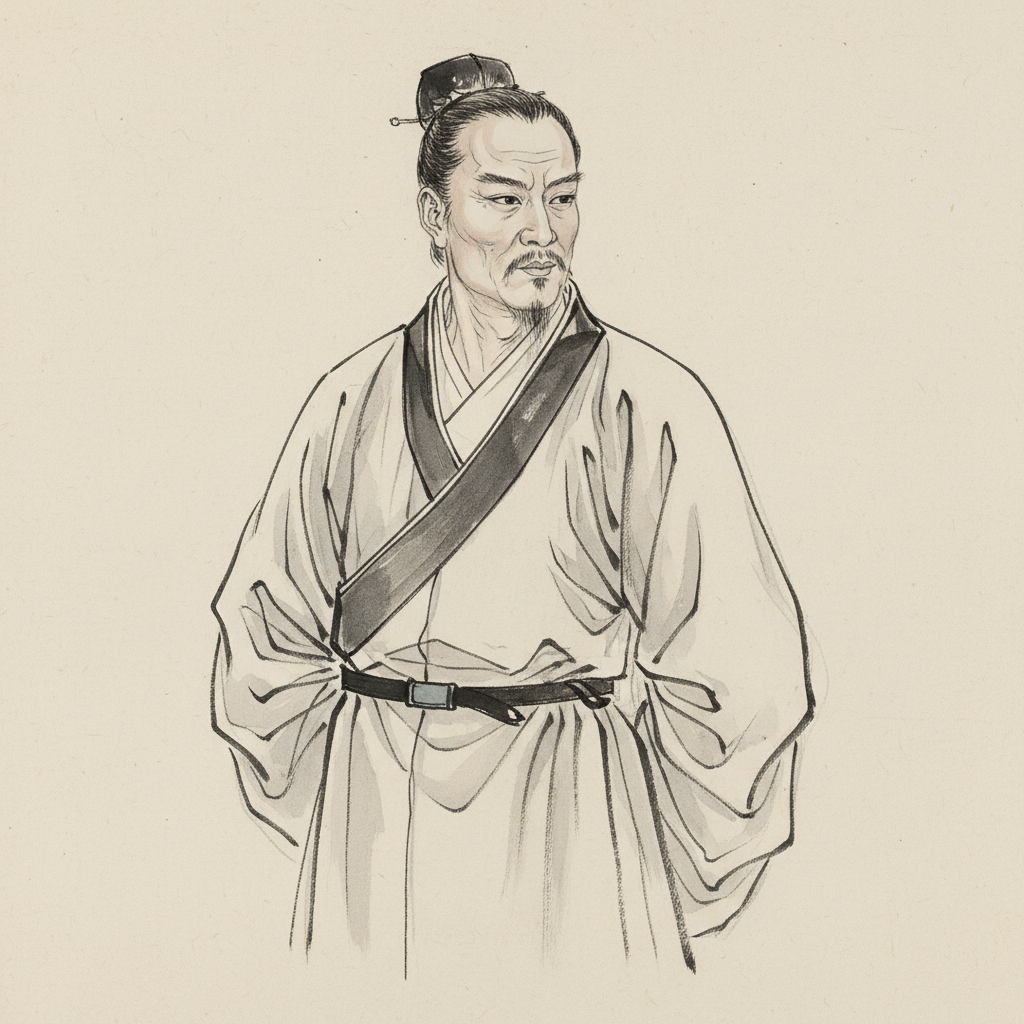
Quick Facts
A reluctant Song-era official who briefly fronted a Jurchen-backed regime during the Jin occupation of Kaifeng.
Conversation Starters
Life Journey
Zhang Bangchang was born during the Northern Song, when Kaifeng’s bureaucracy and examination culture shaped elite life. He entered a society strained by frontier pressures from Liao and later the rising Jurchen Jin, foreshadowing future crises.
As a young man, Zhang immersed himself in Confucian classics and the civil-service examination system that staffed the Song state. The competitive exam circuit tied his prospects to court politics and factional debates in the capital.
After gaining official standing, Zhang began serving in the Song bureaucracy and learned the rhythms of memorials, edicts, and fiscal management. His work placed him within networks of senior ministers who would later face Jin demands and wartime decisions.
Zhang’s reputation as a capable administrator helped him move through assignments linked to the central government. Exposure to court deliberations taught him how ritual legitimacy and paperwork could mask deeper military vulnerabilities along the northern frontier.
The Jurchen leader Aguda proclaimed the Jin dynasty, reshaping Northeast Asian power. Song officials in Kaifeng debated strategy toward Jin and Liao, and Zhang absorbed the growing realization that diplomacy might not stop a determined cavalry empire.
As border alarms intensified, Zhang worked within a bureaucracy struggling to finance defense and manage morale. Court discussions often favored negotiated solutions, but reports from the north increasingly showed Jin forces outpacing Song responses.
Song policy flirted with partnering Jin against the Khitan Liao, hoping to recover contested territories. Zhang’s generation saw how shifting alliances could backfire, as Jin strength grew and the Song position in the north became more precarious.
With Liao collapsing, Jin attention turned toward the Song, and negotiations became harsher and more coercive. In Kaifeng, Zhang and other officials confronted escalating tribute demands and the fear that the capital itself might be targeted.
Jin armies threatened Kaifeng, and the court lurched between resistance and appeasement under extreme pressure. Zhang operated in an atmosphere of panic, where a single memorial could mean survival, exile, or being blamed for catastrophic concessions.
In the Jingkang catastrophe, Jin forces captured Kaifeng and seized Emperor Qinzong and the retired Emperor Huizong. The shock shattered the Northern Song order, and officials like Zhang were forced to choose between compliance, escape, or death.
Under Jin supervision, Zhang was elevated to lead the short-lived Great Chu as a façade of local governance. The arrangement aimed to stabilize occupied Kaifeng and extract resources, while signaling that legitimate Song authority had been replaced.
Zhang’s administration operated under Jin military dominance, leaving little autonomy over personnel, taxation, or security. He relied on surviving Song bureaucratic routines to keep order, but every decision risked branding him a collaborator in later histories.
When Zhao Gou established the Southern Song court as Emperor Gaozong, the Great Chu façade lost strategic value. Zhang stepped down amid shifting Jin plans, as Kaifeng’s politics turned from improvisation toward a stark occupation-versus-resistance divide.
Zhang moved toward areas aligned with the Southern Song, hoping to explain his actions as coerced crisis management. The new court, traumatized by the Jingkang humiliation, increasingly demanded moral clarity and public punishments to deter collaboration.
Southern Song authorities treated Zhang’s acceptance of Jin-backed authority as a severe breach of loyalty. Court debates framed his case as a lesson for officials tempted by compromise, linking personal accountability to the survival of Gaozong’s fragile regime.
Zhang Bangchang was executed after conviction, and his name became associated with the dilemmas of occupation and legitimacy. Later narratives used his fate to warn about serving enemy-backed governments, even when choices were made under coercion.