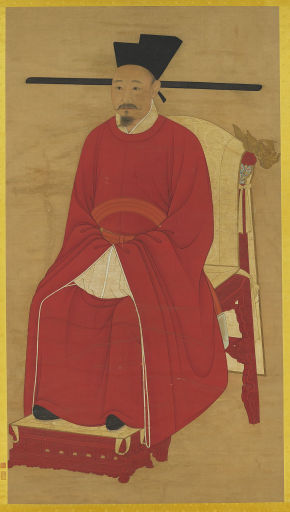
Quick Facts
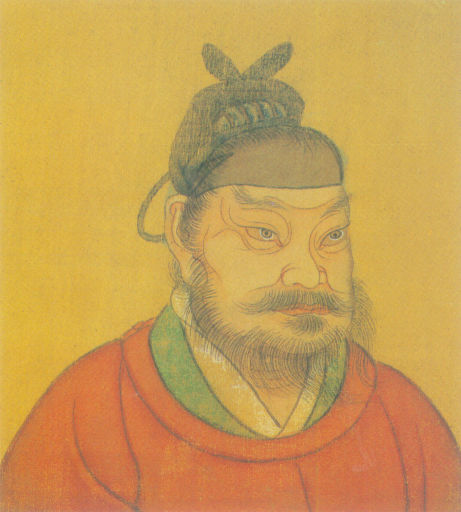
A diligent Southern Song emperor who revived governance, strengthened defenses, and patronized culture during an era of pressure.
Conversation Starters
Life Journey
Born as Zhao Shen during the turmoil surrounding the Jingkang Incident, when the Jin captured Kaifeng and seized Emperor Qinzong. His early life unfolded in the displaced Southern Song court, where survival and legitimacy shaped imperial politics.
As the court settled in the lower Yangtze region, he grew up in an atmosphere of military emergency and administrative improvisation. Tutors emphasized Confucian classics and ritual discipline to reinforce dynastic continuity after the northern loss.
He began more structured study under palace instructors, learning history, statecraft, and ceremonial practice expected of an imperial kinsman. Court debates over peace versus war with the Jin formed the political background of his schooling.
As Emperor Gaozong consolidated Southern Song rule, Zhao Shen witnessed the influence of senior ministers and the importance of cautious diplomacy. The court’s memory of generals like Yue Fei remained potent, shaping how officials spoke about loyalty and strategy.
He received increased ceremonial and administrative duties that exposed him to memorials, appointments, and the mechanics of governance. These experiences encouraged a reputation for attentiveness and a preference for orderly procedure over dramatic gestures.
With no surviving son, Emperor Gaozong chose Zhao Shen as adoptive heir to secure succession and prevent factional instability. The decision elevated him to the center of court politics, where scrutiny of his conduct and alliances intensified.
The Jin dynasty’s internal shifts and military pressures on the Huai River frontier forced the Southern Song court to refine logistics and command. Zhao Shen followed discussions on fortifications, river defense, and grain transport that would later shape his policies.
He succeeded Emperor Gaozong and adopted the reign title Longxing, presenting himself as a restorer of disciplined governance. Early proclamations emphasized frugality, careful appointments, and responsiveness to memorials to rebuild confidence in the court.
He supported plans to press northward against the Jin, hoping to recover lost territory and morale. Campaign difficulties and command problems tempered enthusiasm, pushing him toward a more measured strategy focused on defense and institutional strength.
After costly operations, his court pursued steadier relations with the Jin while improving readiness along key river lines. Officials worked to align military budgets with tax capacity, reflecting his preference for sustainable, long-term security measures.
He pressed ministries to tighten evaluation of officials and curb wasteful expenditures, using audits and personnel reviews to reduce corruption. By rewarding capable administrators and demoting negligent ones, he aimed to restore trust in the civil service system.
To secure the capital and armies, his government emphasized reliable tax collection and shipment of grain via canals and river routes. These measures supported garrisons on the frontier and reduced the risk of shortages that could trigger unrest or mutiny.
He encouraged classical study and moral discourse at court, aligning policy with Confucian ideals of benevolent rule and restraint. Scholars associated with Neo-Confucian trends gained greater attention, reinforcing the cultural legitimacy of the Southern Song state.
His reign invested in fortified nodes, troop rotation, and supply depots to deter Jin incursions and stabilize border communities. The approach reflected lessons from earlier failures, prioritizing readiness and logistics over risky, prestige-driven offensives.
He balanced influential ministers and military commanders by rotating appointments and discouraging cliques that could dominate decision-making. This cautious style reduced sudden policy swings, though it sometimes frustrated advocates of rapid reconquest or radical change.
With experience and age, he increasingly focused on securing a smooth transition and maintaining policy continuity. The court paid close attention to heir training and ritual legitimacy, seeking to avoid succession crises that had weakened earlier dynasties.
He formally passed the throne to his son, Emperor Guangzong, a move intended to ensure stability while preserving imperial authority. As Taishang Huang, he remained an important moral and political presence, even as court tensions persisted.
He died after a long retirement, leaving a legacy associated with careful administration, cultural patronage, and strengthened state capacity. Later assessments often credited his reign with giving Southern Song institutions resilience in the face of enduring Jin pressure.