Quick Facts
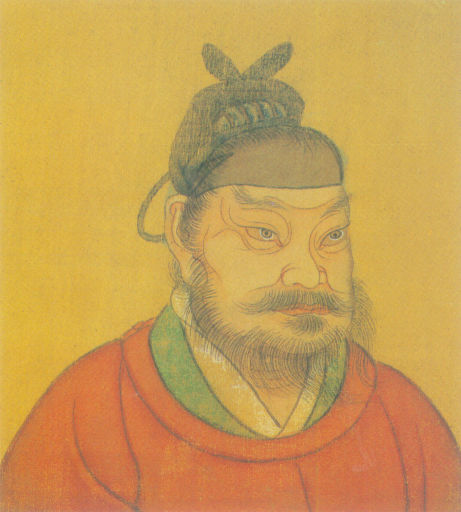
A pragmatic warlord who founded Later Jin through Khitan support, reshaping northern China’s fragile Five Dynasties politics.
Conversation Starters
Life Journey
Shi Jingtang was born as Tang authority crumbled and regional armies rose to power. His early world was shaped by shifting loyalties among jiedushi, setting the stage for a life in frontier warfare and politics.
As a young man he joined the armies tied to Li Keyong’s Jin power base in Hedong. He learned cavalry tactics and command discipline amid constant fighting against rival warlords and remaining Tang-aligned forces.
When Li Cunxu proclaimed the Later Tang after destroying Later Liang, Shi continued serving the victorious Shatuo-led court. The new dynasty relied on hardened frontier officers like him to pacify restive provinces and supply lines.
After Li Siyuan became Emperor Mingzong, Shi Jingtang’s standing improved within the military hierarchy. Mingzong needed dependable commanders to stabilize the realm after mutinies, and Shi benefited from that demand for loyalty.
Shi married a daughter of Li Siyuan, linking him directly to the ruling house of Later Tang. The union strengthened his political legitimacy among Shatuo elites and gave him court connections that rival generals lacked.
He held important commands in the north, where Khitan pressure and internal rebellions demanded rapid responses. These postings expanded his personal army and administrative experience, crucial assets in the Five Dynasties power game.
When Emperor Mingzong died, the court fell into factional conflict and violent succession struggles. Shi maneuvered carefully among competing princes and ministers, trying to protect his base while the dynasty’s cohesion weakened.
Facing suspicion from Emperor Li Congke and fearing removal, Shi rose in revolt from his Hedong power base. He presented his uprising as self-defense, but it quickly became a bid to replace the Later Tang throne.
Shi appealed to the Khitan ruler Yelü Deguang for decisive military backing against Later Tang. The Khitan cavalry intervention tipped the balance, but it bound Shi’s future dynasty to Liao influence and expectations.
With Khitan support behind him, Shi declared himself emperor and founded the Later Jin. His claim rested on military victory and pragmatic coalition-building, reflecting the era’s harsh logic that legitimacy followed power.
To reward Liao assistance, Shi transferred the strategically vital Sixteen Prefectures near modern Beijing and the Great Wall passes. The concession weakened China’s northern defenses for generations and became a lasting political stigma.
Later Jin forces, aided by Khitan pressure, took Luoyang and forced the collapse of the Later Tang court. Li Congke died as the regime fell, clearing the way for Shi to claim control over the Central Plains.
Shi governed from Kaifeng to better manage taxation, grain transport, and the densely populated heartland. The move reflected the need to control the Grand Canal networks while watching both southern rivals and northern Liao demands.
His court struggled to pay armies and officials while provinces retained strong local power. Ministers debated revenue reforms, but constant security threats limited long-term rebuilding and kept the state dependent on military governors.
Shi maintained formal deference to the Liao to avoid renewed invasion, even as Chinese elites resented the relationship. At the same time he watched Later Shu, Southern Tang, and other regimes that contested legitimacy across China.
As his health worsened, court politics focused on ensuring a smooth transition to his heir, Shi Chonggui. The looming question was whether the next ruler could satisfy Liao demands without losing domestic support and authority.
Shi Jingtang died in Kaifeng with his dynasty still reliant on fragile alliances and contested legitimacy. His reign left a powerful precedent: short-term survival through foreign-backed power, at the cost of strategic territory and prestige.