Quick Facts
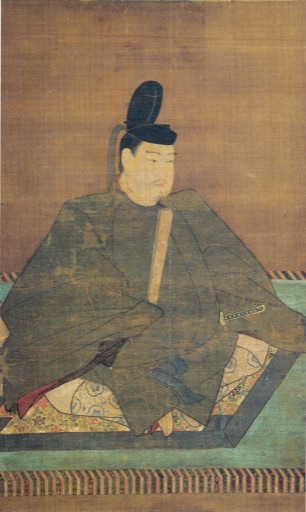
The 45th Emperor of Japan who ruled during the Nara Period. He was a devout Buddhist who commissioned the Great Buddha at Todai-ji Temple, establishing Buddhism as state religion and ushering in the golden age of Japanese Buddhist culture.
Conversation Starters
Life Journey
Born as Prince Obito to Emperor Monmu. His birth was celebrated as the continuation of the Tenmu imperial line. His mother was Fujiwara no Miyako from the powerful Fujiwara clan.
Received education in Chinese classics, Buddhist scriptures, and governance. Studied under prominent scholars who taught him Confucian principles and Buddhist philosophy that would shape his reign.
Became the 45th Emperor of Japan following his aunt Empress Gensho's abdication. His reign began during a period of cultural flourishing influenced by Tang Dynasty China.
Prince Nagaya, a rival to the Fujiwara clan, was accused of treason and forced to commit suicide. This consolidated Fujiwara power at court and deeply affected Emperor Shomu's governance.
A devastating smallpox epidemic swept through Japan, killing many nobles including all four Fujiwara brothers. This tragedy strengthened Emperor Shomu's reliance on Buddhism for protection.
Issued the edict to establish Kokubunji (provincial temples) in every province. Each temple would pray for national protection, spreading Buddhism throughout Japan systematically.
Issued the historic edict to construct the Great Buddha (Daibutsu). Initially planned for Shigaraki Palace, this monumental project would become his greatest legacy.
After earthquakes and fires at Shigaraki, the Great Buddha project was relocated to Nara. Construction at Todai-ji began under the supervision of the monk Gyoki.
Gold was discovered in Mutsu Province (modern Miyagi), providing crucial material for gilding the Great Buddha. Emperor Shomu saw this as divine approval for the project.
Abdicated the throne in favor of his daughter Empress Koken. He became the first emperor to take Buddhist monastic vows, demonstrating his deep faith.
Lived as a Buddhist monk while still influencing court politics. Continued to oversee the completion of Todai-ji and the Great Buddha project.
The grand eye-opening ceremony (kaigen-e) of the Great Buddha was held with over 10,000 monks attending. An Indian monk painted in the eyes, symbolizing the Buddha's awakening.
Empress Komyo dedicated Emperor Shomu's personal treasures to Todai-ji after his death. These items, preserved in the Shosoin, remain invaluable cultural artifacts today.
Spent his final years in Buddhist devotion, overseeing religious ceremonies and praying for the nation's welfare. His health declined gradually.
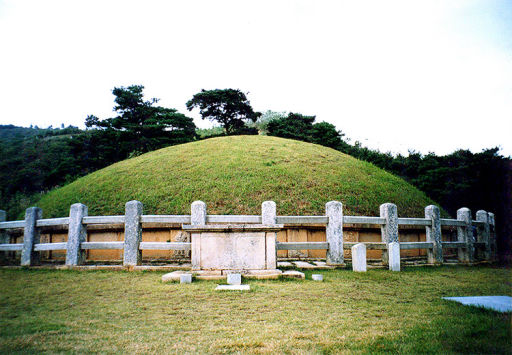
Passed away at age 55. He was buried with Buddhist rites at Sahoyama no Minami no Misasagi. His legacy of Buddhist culture and the Great Buddha endures to this day.