Chumi
BackChat
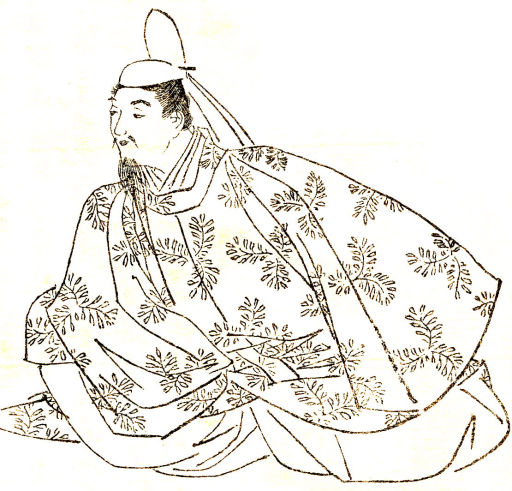
Fujiwara no Yoshifusa

Fujiwara no Yoshifusa

Court noble

Start Chat

AI Personality

Quick Facts

Becoming the first non-imperial sessho (regent) in Japan
Strengthening Fujiwara political dominance through marriage ties
Guiding imperial succession and court governance in the early Heian period

Life Journey

804Born into the Northern Fujiwara lineage

Fujiwara no Yoshifusa was born into the powerful Fujiwara clan during the early Heian court’s consolidation in Kyoto. Raised among elite courtiers, he learned ritual, precedent, and the factional politics that governed access to the throne.

818Entered court service and began aristocratic advancement

As a teenager, Yoshifusa entered formal court service, where rank and patronage determined every appointment. He cultivated alliances within the Fujiwara and with palace households, positioning himself for steady promotions in the bureaucracy.

827Rose in rank amid Emperor Junna's administration

During Emperor Junna’s reign, Yoshifusa’s family network helped him gain higher court rank and visibility in state councils. He proved adept at balancing formal law codes with the practical realities of noble faction competition in Kyoto.

833Positioned himself under Emperor Ninmyo's new court

When Emperor Ninmyo succeeded to the throne, Yoshifusa adjusted quickly to the new political landscape and its competing lineages. He used protocol and appointments to expand Fujiwara influence within the central ministries and palace guard leadership.

839Strengthened marriage politics through palace connections

Yoshifusa worked to bind the Fujiwara to the imperial line by deepening ties with the inner palace and women’s quarters. These connections, often overlooked in official chronicles, became decisive tools for succession planning and court stability.

842Helped drive outcomes of the Jowa Incident

In the Jowa Incident, political rivals including Prince Tsunesada were implicated and removed, reshaping the succession struggle. Yoshifusa aligned with powerful allies and ensured the court accepted the new order, accelerating Fujiwara dominance at the center.

843Secured influence over the crown prince and succession

After the Jowa purge, Yoshifusa consolidated control over appointments around the heir apparent, making succession less vulnerable to rival lineages. By controlling key posts and ceremonies, he turned court procedure into a durable political advantage.

850His daughter became Empress Dowager as Emperor Montoku ascended

Emperor Montoku’s accession elevated Yoshifusa’s daughter Akirakeiko (Fujiwara no Meishi) within the palace, reinforcing the clan’s maternal link to the throne. Yoshifusa used this position to guide policy and secure future influence over imperial heirs.

851Became one of the most powerful ministers at court

By the early 850s, Yoshifusa held senior ministerial authority and shaped deliberations in the Daijo-kan, the Council of State. He managed rival nobles through promotions and demotions, keeping Kyoto’s political balance tilted toward the Fujiwara.

857Named Daijo-daijin (Chancellor of the Realm)

Yoshifusa attained the top post of Daijo-daijin, giving him unmatched control over high-level appointments and court policy. With the chancellorship, he turned the ritsuryo state’s institutions into instruments of clan strategy and succession security.

858Appointed sessho for the child Emperor Seiwa

When Emperor Seiwa, Yoshifusa’s grandson, ascended as a child, Yoshifusa was appointed sessho, the first regent in Japan not drawn from the imperial family. This set a precedent that shifted real executive power to the Fujiwara leadership in Kyoto.

859Governed through councils and controlled key court offices

As regent, Yoshifusa coordinated decisions through the Council of State while tightening Fujiwara control of crucial offices, guards, and ceremonial roles. He emphasized continuity and ritual legitimacy, ensuring that governance appeared orderly despite power shifting.

860Managed factions and stabilized the court around Seiwa's reign

Yoshifusa worked to prevent renewed succession crises by balancing promotions among noble houses and monitoring potential challengers. By steering edicts and court ceremonies, he reinforced the young emperor’s legitimacy while keeping policy firmly in Fujiwara hands.

862Prepared Fujiwara no Mototsune as heir to regency politics

Yoshifusa increasingly relied on his nephew Fujiwara no Mototsune, training him in the practical arts of court bargaining and administrative control. This mentorship helped ensure that the regency system would continue smoothly after Yoshifusa’s retirement and death.

866Oversaw crisis response after the Otenmon Incident

After the Otenmon gate fire and ensuing accusations, the court faced dangerous factional tension that threatened public order in the capital. Yoshifusa’s side ultimately prevailed, and the episode further weakened rivals while reinforcing Fujiwara authority in Kyoto.

870Withdrew from active governance while preserving influence

In his later years, Yoshifusa reduced day-to-day involvement, letting trusted relatives handle routine administration while he retained decisive authority. His careful handover strengthened the idea that Fujiwara leadership, not imperial adulthood, defined political stability.

872Died after establishing a lasting regency model

Yoshifusa died with the Fujiwara firmly positioned as the court’s indispensable power-brokers and guardians of succession. His precedent as non-imperial sessho shaped Heian governance for generations, enabling later regents to rule through maternal imperial ties.

Chat