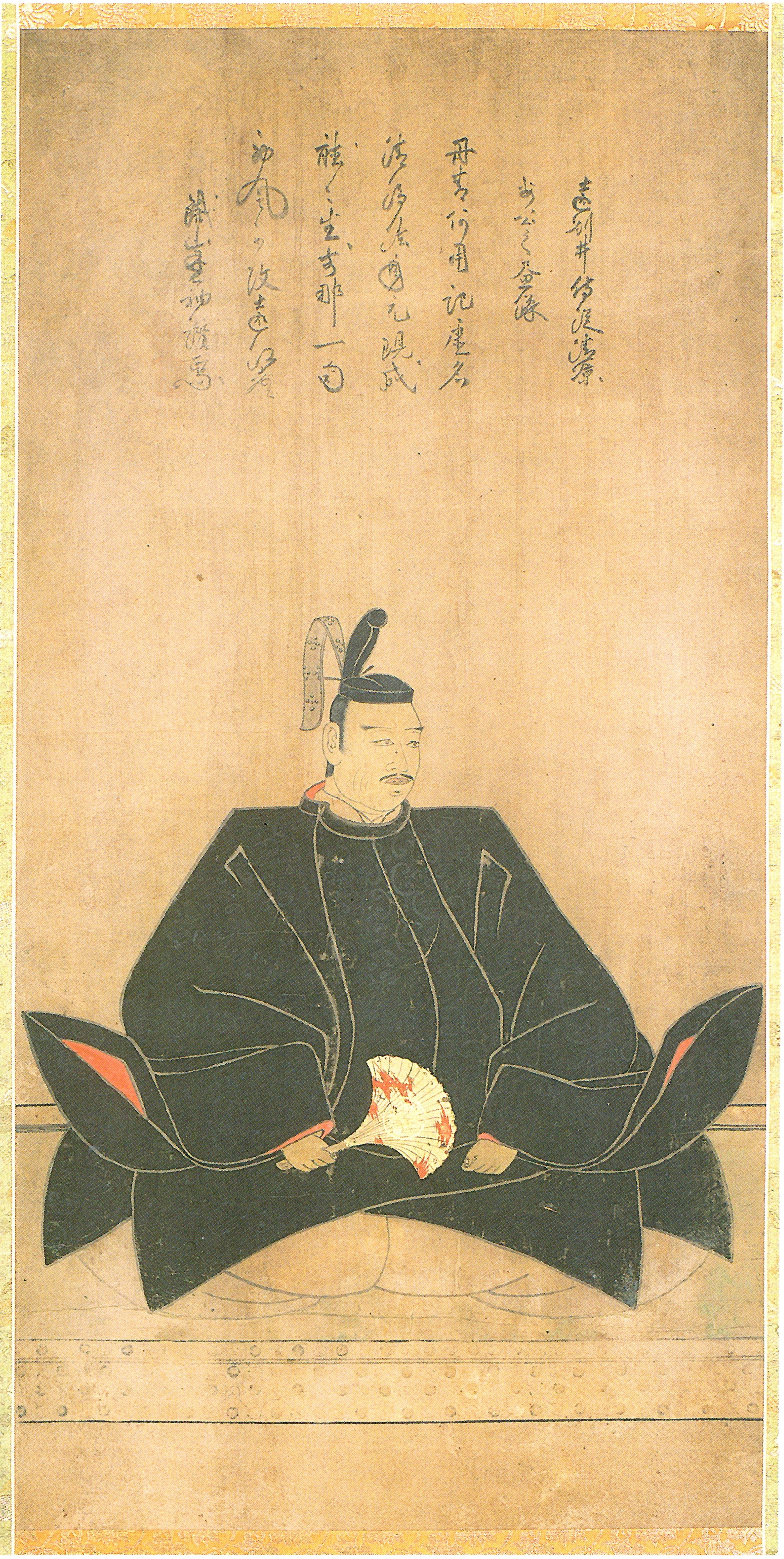
Quick Facts
Powerful Muromachi-era warlord whose rivalry sparked the Onin War and shattered Kyoto’s fragile political order.
Conversation Starters
Life Journey
Born into the powerful Hosokawa family, a pillar of the Ashikaga shogunate’s governing coalition. From childhood he was shaped by Kyoto court politics and the military obligations of a leading shugo house.
The assassination of Ashikaga Yoshinori in the Kakitsu Incident destabilized the capital and empowered competing samurai factions. The Hosokawa, including Katsumoto’s household, maneuvered to protect offices and provincial influence amid uncertainty.
As he approached adulthood, Katsumoto was drawn into clan administration, vassal management, and negotiations with other shugo families. These formative years trained him to treat alliances as tools and rivals as existential threats.
Katsumoto’s marriage tied him to Yamana Sozen, creating a bond that later turned into bitter enmity. The union reflected how kinship, hostage exchanges, and adoption were used to stabilize elite politics in Kyoto.
He consolidated authority by disciplining fractious retainers and coordinating revenue and troops from Hosokawa-linked provinces. The effort increased his leverage at court, where military readiness often mattered more than formal precedent.
Katsumoto expanded his influence in the Muromachi bureaucracy by cultivating courtiers, temple networks, and military allies. His growing prominence placed him on a collision course with other magnates seeking to dominate the shogun’s council.
He became kanrei, a post that mediated disputes among shugo and helped enforce decisions of the Ashikaga regime. The office made him a lightning rod for resentment, because rivals saw his authority as a pathway to monopolizing Kyoto.
Shogun Ashikaga Yoshimasa’s uncertain succession drew leading houses into opposing camps. Katsumoto positioned himself as a guardian of shogunal stability while quietly preparing for armed conflict if political compromise failed.
Relations with Yamana Sozen deteriorated as both men recruited allies and framed the other as a threat to the realm. Their dispute blended personal distrust with competition over appointments, land rights, and influence over the shogun’s household.
Katsumoto and his opponents brought large forces into Kyoto under the pretense of maintaining order. Urban neighborhoods, temples, and noble estates became fortified positions, turning the capital into a tinderbox awaiting a spark.
Fighting erupted in Kyoto, with Katsumoto leading the Hosokawa-aligned “Eastern Army” against Yamana Sozen’s “Western Army.” The conflict quickly overwhelmed shogunal authority, drawing in provincial lords and reducing governance to factional warfare.
He held key positions in the capital, coordinating vassal contingents and supply routes as fires and raids devastated Kyoto. Temples and aristocratic mansions were repurposed for defense, illustrating how civil war consumed cultural centers.
As battles bogged down, distant provinces began acting independently, sending limited support or pursuing their own local wars. Katsumoto struggled to maintain cohesion among allies whose loyalty depended on promises of office, land, and survival.
Years of fighting disrupted markets, displaced residents, and weakened the authority of court nobles and religious institutions. Katsumoto’s camp relied on ad hoc taxation and patronage, underscoring the shogunate’s inability to restore normal rule.
He explored settlements through intermediaries, but mutual distrust and hardline vassals undercut compromise. Even peace talks became a tactic, used to buy time, test enemy unity, and reposition forces in contested wards of the city.
The war’s leadership faced mounting fatigue, disease, and dwindling supplies after years of urban combat. Katsumoto continued to direct strategy despite the conflict’s diminishing political clarity and the growing autonomy of regional warlords.
Katsumoto died while the war still raged, soon followed by the death of his rival Yamana Sozen. Their passing did not restore order; instead it marked a turning point toward the Sengoku era, where daimyo power eclipsed Kyoto’s authority.