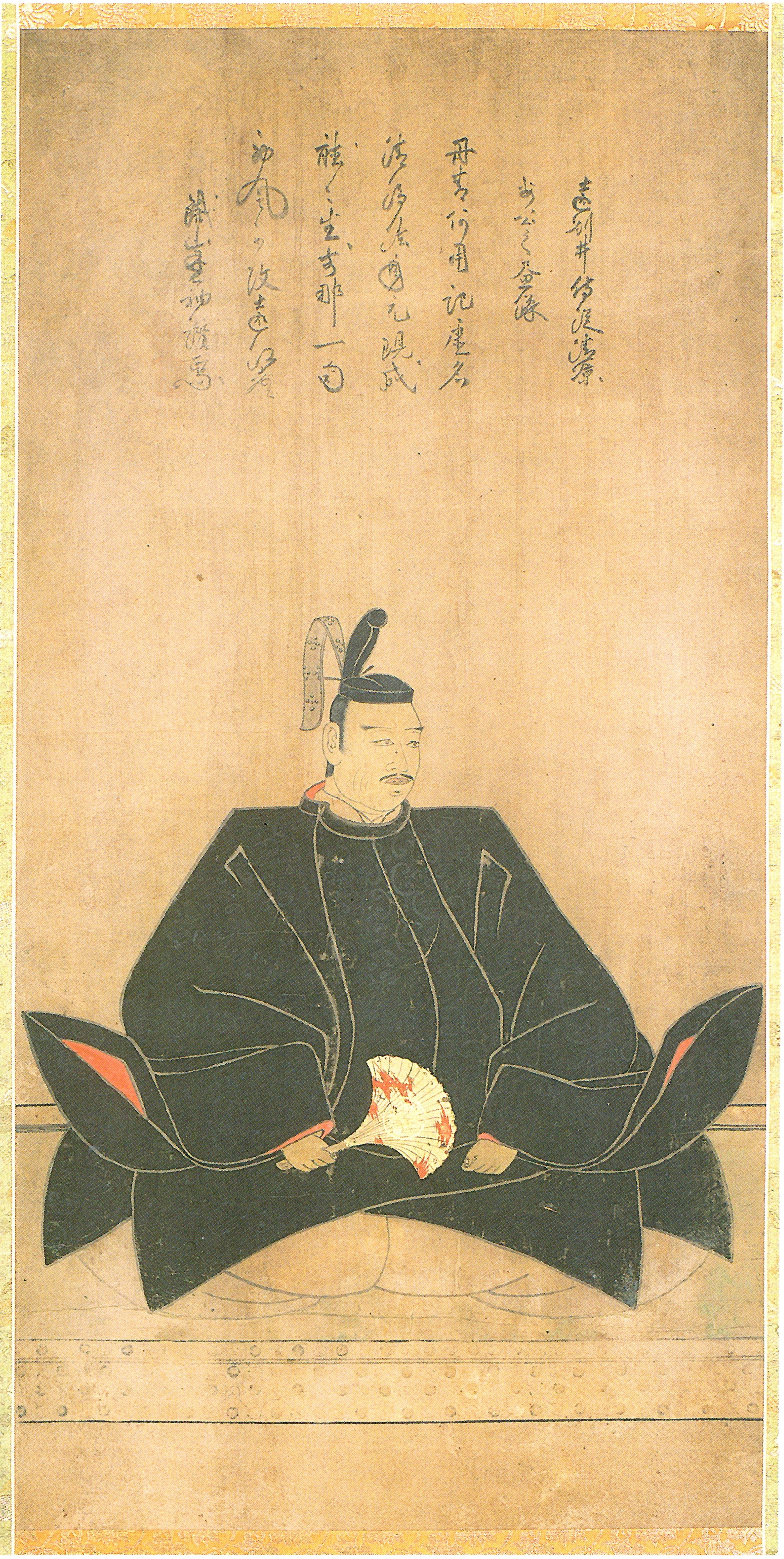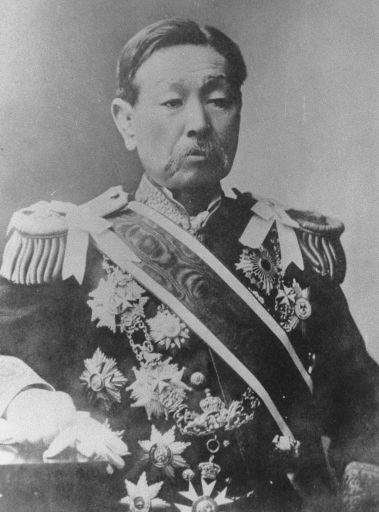
Quick Facts
A pragmatic Meiji statesman who reshaped Japanese diplomacy, finance, and modernization while courting controversy and elite powerbrokers.
Conversation Starters
Life Journey
Born in the Choshu Domain in western Honshu, he grew up amid Tokugawa-era status hierarchies and domain politics. Early education in Confucian and martial traditions shaped his later realism about power and reform.
Commodore Matthew Perry's black ships exposed the Tokugawa shogunate's vulnerability and intensified anti-foreign debate in Choshu. He gravitated toward activists who argued Japan must modernize or be dominated by Western empires.
As Choshu embraced “revere the emperor, expel the barbarians,” he worked with younger samurai networks pushing the domain toward confrontation. The violent politics of Kyoto taught him how factional struggle could decide national direction.
He traveled clandestinely to Britain with Itō Hirobumi and other Choshu students to study Western technology and institutions. The journey, illegal under the shogunate, convinced him that selective Westernization was essential for sovereignty.
Foreign retaliation against Choshu after the Shimonoseki Straits attacks underscored the imbalance of naval power. He pressed domain leaders to adopt modern arms and diplomacy rather than rely on slogans that invited ruinous reprisals.
He supported cooperation between Choshu and Satsuma leaders who sought to overthrow Tokugawa rule. The alliance, brokered through figures like Saigō Takamori and Kido Takayoshi, created the coalition that enabled the Meiji Restoration.
With the shogunate toppled, he entered the new imperial administration as it centralized authority and dismantled feudal domains. He helped translate revolutionary legitimacy into working institutions capable of governing a modern state.
As Japan created ministries modeled on European states, he rose within the foreign affairs bureaucracy. He worked to professionalize diplomacy while confronting the humiliating “unequal treaties” signed under Tokugawa pressure.
He accompanied Iwakura Tomomi’s delegation, traveling through the United States and Europe to study industry, law, and diplomacy. The mission’s failure to immediately revise treaties deepened his sense that Japan needed stronger institutions first.
During the Seikanron dispute, leaders argued whether to launch a punitive mission to Korea or focus on internal reforms. He aligned with those prioritizing state-building, wary that premature war could derail fiscal stability and modernization.
Political violence surged as former samurai and nationalist agitators attacked Meiji officials seen as betraying tradition. He was seriously wounded yet remained influential, and the episode highlighted how modernization provoked lethal resistance.
Within the Meiji oligarchy, he cultivated ties to senior leaders and the emerging business elite financing industrial growth. His style emphasized bargaining, patronage, and policy trade-offs rather than ideological purity or public popularity.
He took the Foreign Ministry at a moment when Japan sought respectability among treaty powers like Britain and France. His agenda centered on treaty revision, judicial modernization, and projecting Japan as a “civilized” constitutional state.
To influence foreign perceptions, he promoted social diplomacy at the Rokumeikan, where Japanese elites held Western-style balls and banquets. Critics attacked it as cultural subservience, revealing the domestic costs of courting foreign approval.
Negotiations that appeared to concede too much—especially regarding foreign legal privileges—sparked fierce political criticism. Facing pressure from activists and rival factions, he stepped down, a reminder that diplomacy had become mass politics.
Though out of the top diplomatic post, he remained a genro-level figure shaping cabinets and policy from behind the scenes. His networks linked politicians, bureaucrats, and zaibatsu leaders, influencing budgets, appointments, and foreign posture.
As constitutional politics expanded, he took the Finance Ministry and confronted the challenge of funding military and industrial growth. He navigated pressures from parties and ministries while defending fiscal credibility for a rapidly modernizing empire.
Japan’s victory over Russia transformed its international standing but intensified debate over costs, indemnities, and imperial commitments. He remained an influential counselor in Tokyo, weighing expansion against fiscal limits and diplomatic risk.
He died as Japan entered the Taishō era with parliamentary politics and empire-building in full swing. His career embodied the Meiji oligarch’s blend of Western learning, hard bargaining, and relentless pursuit of national power.