Chumi
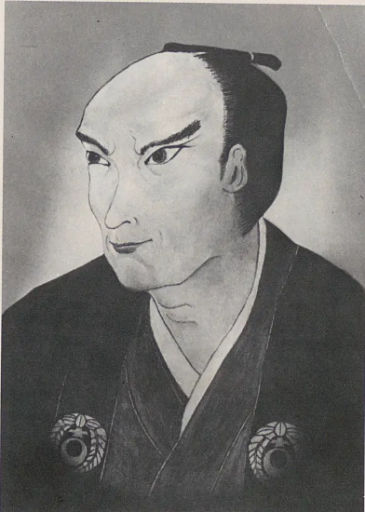
Ono Tadaaki

Ono Tadaaki

Swordsman

Start Chat

AI Personality

Quick Facts

Ono-ha Itto-ryu swordsmanship
Service as a Tokugawa fencing instructor
Influence on early Edo martial culture

Life Journey

1565Born during the turbulence of the Sengoku era

Born as Japan’s warring states struggled for dominance, he entered a world where martial skill decided survival and status. The constant campaigns and shifting alliances created strong demand for expert sword teachers across central Japan.

1577Began rigorous training as a young samurai-in-training

As a youth he pursued disciplined kenjutsu practice under experienced fighters, absorbing practical lessons from a country at war. Training emphasized footwork, timing, and decisive cuts suitable for armored combat and sudden encounters.

1584Sought out advanced fencing instruction and notable masters

He traveled to refine his technique, visiting renowned schools where reputation spread through matches and recommendations. This period exposed him to varied methods and helped crystallize a preference for direct, efficient lines of attack.

1588Entered the lineage of Itto-ryu through intensive study

He became closely associated with Itto-ryu teachings that stressed winning with a single decisive strike and controlling the center line. The school’s approach fit late-Sengoku realities, where clarity and speed mattered more than ornamented forms.

1590Witnessed the consolidation of power under Toyotomi authority

As Toyotomi Hideyoshi’s unification advanced, he saw martial specialists increasingly move from battlefield roles toward instruction and policing. Castle towns expanded, and professional fencing gained prestige as elites sought standardized training.

1596Established a reputation through matches and teaching

Through dojo bouts and formal demonstrations, he built a name for uncompromising timing and strong spirit under pressure. Such reputations traveled quickly among retainers and officials, opening doors to higher patronage and stable stipends.

1600Positioned himself amid the shogunate’s rise after Sekigahara

After Tokugawa Ieyasu’s victory at Sekigahara, military talent was reorganized to serve a new national order. Skilled swordsmen were recruited to train retainers, protect leadership, and represent shogunal authority in ceremonial contexts.

1603Became a recognized instructor within Tokugawa circles

With the Tokugawa shogunate established, he gained standing as a fencing specialist valued for practical instruction and composure. In Edo’s expanding political center, such teachers helped shape the martial identity of the ruling class.

1605Helped formalize Ono-ha Itto-ryu methods for dojo transmission

He refined curriculum and training etiquette so lessons could be reliably passed to students beyond battlefield veterans. The emphasis remained on initiative, controlling distance, and decisive cuts, aligning with Edo-era discipline and hierarchy.

1607Taught retainers and officials preparing for service in Edo

His instruction supported samurai who needed credible martial grounding while serving administrative and guard duties. Training balanced combative realism with controlled sparring and kata practice suitable for a society shifting from war to governance.

1611Demonstrated expertise in formal presentations of swordsmanship

Public and semi-private demonstrations were used to signal loyalty and competence within the Tokugawa order. His calm execution and clear technique strengthened his school’s legitimacy and attracted ambitious students seeking shogunal favor.

1614Lived through the opening of the Osaka campaigns

The Siege of Osaka reminded Edo Japan that civil war could return, reinforcing the need for serious martial preparation. Even for instructors, the conflict influenced training priorities toward readiness, decisiveness, and mental steadiness.

1615Adapted teaching to the post-Osaka peace and stricter social order

After Toyotomi power ended, Tokugawa rule tightened and martial arts shifted further into codified schools and official patronage. He emphasized restraint and correct form, aligning sword training with the shogunate’s expectations of conduct.

1618Expanded influence through students and affiliated dojo networks

As pupils carried Ono-ha Itto-ryu into other domains, the school’s approach spread through recommendation and demonstrated results. Lineage, licensing, and personal ties became central in an Edo society that prized orderly transmission of skills.

1622Refined instructional principles focused on timing and center control

Later teaching highlighted taking initiative, meeting the opponent’s blade, and winning with a single committed action rather than prolonged exchanges. These principles fit the Itto-ryu ethos and influenced how students approached duels and sparring.

1625Mentored senior disciples to preserve the Ono-ha Itto-ryu lineage

He prepared trusted students to carry forward licensing and pedagogy, ensuring continuity beyond his own career. In the Tokugawa era, such succession planning protected a school’s reputation and maintained its relationship with powerful patrons.

1628Died with a lasting reputation as a shogunal-era sword authority

He died after decades of instruction that helped define early Edo sword culture and the standing of Ono-ha Itto-ryu. His legacy endured through disciples, dojo practice, and the broader Tokugawa preference for disciplined martial training.

Chat