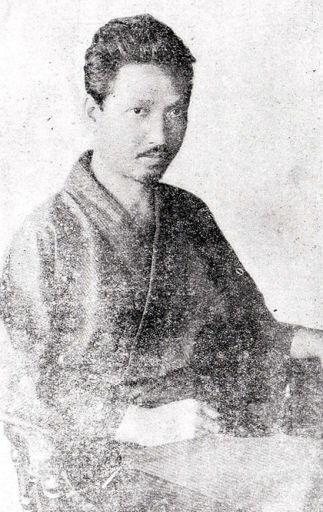
Quick Facts
Radical Japanese anarchist who fused activism, translation, and personal rebellion into a turbulent challenge to modern state power.
Conversation Starters
Life Journey
Born in Marugame, Kagawa, Japan, into a family with former samurai status navigating Meiji modernization. The new nation’s mix of discipline, conscription, and Western ideas shaped his early outlook and future defiance.
As a teenager he was placed in a strict military-leaning educational setting where drills and obedience were prized. Exposure to authoritarian routines later fueled his hostility toward hierarchy and the conscript state.
He moved into Tokyo’s vibrant student world, where newspapers, translations, and debating clubs circulated new political ideas. Language study became a tool for accessing European social theory beyond official curricula.
In the wake of the Russo-Japanese War, popular discontent and police crackdowns intensified in Tokyo. He gravitated toward anti-authoritarian politics as the state celebrated empire while tightening domestic control.
He wrote and organized around worker grievances as the 1900 Peace Preservation Law constrained assembly and speech. Through small journals and meetings, he learned how surveillance and censorship operated in practice.
Arrest and imprisonment exposed him to the prison system used against socialists and anarchists. Behind bars he read widely, refined his anti-state arguments, and emerged more committed to revolutionary activism.
After the High Treason Incident, in which Kōtoku Shūsui and others were prosecuted and executed, he confronted the lethal reach of the state. The episode convinced him that legal politics offered little protection for dissenters.
He translated and introduced European radical works, helping Japanese readers encounter new theories of direct action and workers’ control. Translation doubled as strategy: it built vocabulary for a movement under censorship pressure.
During the Taishō era’s uneasy liberalism, police repeatedly harassed radical publishers and meeting halls. His arrests and short detentions punctuated a life of editing, organizing, and evading suppression in Tokyo.
He argued that unions and strikes could become engines of social transformation rather than narrow wage bargaining. In essays and speeches, he tied workplace discipline to militarism and the emperor-centered political order.
Postwar upheavals and the Russian Revolution reshaped debates across Japan’s left, even among critics of Bolshevism. He used the moment to argue for anti-authoritarian revolution rooted in workers’ self-organization, not party rule.
He insisted that personal freedom—especially in relationships—was inseparable from political emancipation under modern capitalism. The stance scandalized mainstream society and drew police attention, but it energized younger radicals.
He traveled to meetings and helped sustain a fragile ecosystem of labor groups, reading circles, and small-circulation journals. By connecting editors with organizers, he amplified disputes that the state preferred to keep local and quiet.
Police monitoring grew more systematic, with informants and raids aimed at anarchists, socialists, and unionists. He continued writing and organizing despite the clear risk that emergency powers could be used against him.
After the Great Kantō Earthquake, rumors and panic triggered a security crackdown in Tokyo. Authorities used the chaos to detain radicals, framing repression as public safety while settling political scores.
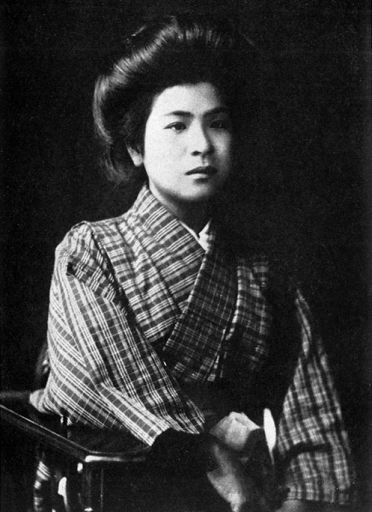
Military police under Masahiko Amakasu arrested and killed him, along with Noe Itō and the child Munekazu Tachibana, without trial. The killings, later exposed as the Amakasu Incident, became a symbol of state terror in Taishō Japan.