Informações rápidas
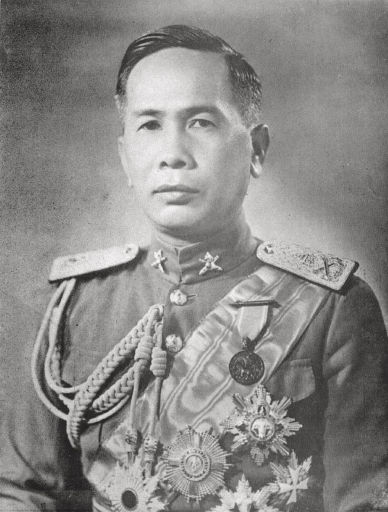
Líder militar autoritário que remodelou a Tailândia moderna por meio de reformas nacionalistas, alianças em tempos de guerra e um legado político autoritário duradouro.
Iniciadores de conversa
Jornada de vida
Ele nasceu como Plaek Khittasangkha na província de Nonthaburi durante o reinado do rei Chulalongkorn (Rama V). Crescendo perto de Bangcoc, viveu em uma sociedade que equilibrava a tradição real com a crescente modernização militar.
Iniciou a formação formal de oficial na Academia Real Militar de Chulachomklao, enquanto o exército siamês se profissionalizava segundo modelos europeus. O ambiente da academia o conectou a colegas ambiciosos que mais tarde moldariam a política tailandesa.
Após concluir o treinamento, recebeu uma patente na artilharia do Exército Real Siamês. A especialização em artilharia enfatizava disciplina técnica e planejamento, habilidades que ele mais tarde aproveitou em funções burocráticas e de liderança política.
Estudou ciência militar na França, entrando em contato com o nacionalismo europeu, o simbolismo estatal e doutrinas modernas de comando. A experiência ampliou sua visão de mundo e reforçou sua crença em um Estado-nação centralizado e disciplinado.
Durante o período no exterior e após retornar, conectou-se a oficiais e civis reformistas que mais tarde seriam associados ao Khana Ratsadon (Partido do Povo). Essas redes criticavam a monarquia absoluta e preparavam uma ação coordenada para a mudança constitucional.
Apoiou o lado militar da revolução de 1932, que encerrou a monarquia absoluta e introduziu uma ordem constitucional. O novo regime elevou oficiais a atores políticos, criando oportunidades para sua ascensão rápida em meio a disputas de poder.
Durante a Rebelião de Boworadet, teve papel de destaque nas operações de defesa do governo constitucional contra forças monarquistas. O conflito fortaleceu a facção militar e aumentou sua reputação como comandante leal e decisivo.
Avançou dentro do aparato de defesa e recebeu o título aristocrático de Luang Phibunsongkhram, que se tornou sua identidade política. Sua influência crescente se alinhou a facções em Bangcoc em torno de aliados e líderes rivais.
Tornou-se primeiro-ministro, construindo um Estado autoritário baseado no exército, na polícia e na propaganda. Seu governo promoveu disciplina e lealdade enquanto reprimia opositores, remodelando a política em torno de um forte controle do Executivo.
Sua administração mudou oficialmente o nome do país de Sião para Tailândia, simbolizando uma nova identidade nacional. Por meio de mandatos culturais, mensagens no rádio e rituais públicos, o Estado impulsionou unidade e modernização sob direção centralizada.
Aproveitou a turbulência regional para pressionar reivindicações territoriais contra a Indochina Francesa, levando à Guerra Franco-Tailandesa. A mediação japonesa ajudou a garantir ganhos, elevando seu prestígio e aproximando a Tailândia da influência em expansão de Tóquio.
Após os desembarques japoneses de dezembro de 1941, seu governo concordou rapidamente com a cooperação e com direitos de trânsito, evitando combates prolongados. A decisão colocou a Tailândia na esfera de guerra do Japão e gerou profunda controvérsia entre as elites tailandesas.
Sua administração assinou uma aliança com o Japão e anunciou guerra contra a Grã-Bretanha e os Estados Unidos. Diplomatas e figuras da oposição resistiram, e o movimento clandestino Tailândia Livre começou a construir contatos com os Aliados.
À medida que a posição do Japão enfraquecia e as dificuldades internas aumentavam, perdeu apoio político e foi afastado do cargo de primeiro-ministro. Novos líderes em Bangcoc buscaram distanciar a Tailândia do Japão e reduzir retaliações internacionais.
Após a guerra, enfrentou pressão política e jurídica ligada a decisões do período, enquanto facções competiam pelo futuro da Tailândia. Cultivou aliados e redes militares para voltar a ter influência em meio a uma política de coalizões instável.
Um golpe militar reorganizou a política em Bangcoc e reabriu o caminho para seu retorno, enquanto oficiais buscavam uma figura forte para estabilizar o Estado. Ele reapareceu como líder central, beneficiando-se do patronato do exército e de barganhas entre facções.
Retomou o cargo e posicionou a Tailândia como aliada firmemente anticomunista, buscando segurança e ajuda externa. Seu governo apertou controles internos enquanto alinhava a política externa às estratégias de contenção lideradas pelos Estados Unidos na Ásia.
Após turbulências, incluindo a Rebelião de Manhattan envolvendo oficiais navais, ele e líderes aliados do exército reforçaram a supremacia militar sobre rivais. O episódio evidenciou tensões entre forças e incentivou abordagens de segurança mais duras em Bangcoc.
O marechal de campo Sarit Thanarat liderou um golpe que encerrou seu governo, citando corrupção e instabilidade enquanto consolidava uma nova ordem autoritária. Ele deixou a Tailândia e viveu no exterior, afastado do poder direto, mas ainda historicamente influente.
Morreu no exílio após um longo período fora do centro político da Tailândia, enquanto a governança da era Sarit remodelava as instituições do país. Seu legado permaneceu contestado, lembrado por impulsos de modernização, mas também por repressão e alinhamento em tempo de guerra.