Kurzinfo
Als versklavte Frau geboren, verwandelte sie ihre persönliche Befreiung in furchtlose Reden, die Abolitionismus, Frauenrechte und moralische Reformbewegungen befeuerten.
Gesprächseinstiege
Lebensweg
Als Isabella Baumfree in die Versklavung auf dem Hardenbergh-Anwesen nahe Swartekill im Ulster County geboren. In einem Umfeld niederländischsprachiger Versklaver aufgewachsen, lernte sie zuerst Niederländisch und erlebte die ständige Unsicherheit von Zwangsverkauf und Trennung.
Als Kind wurde sie auf einer Auktion verkauft und von ihren Eltern und Geschwistern im Ulster County getrennt. Der Verkauf setzte sie harter Arbeit und Schlägen aus und prägte ihr späteres Engagement für Gerechtigkeit und Zeugenschaft.
Sie wurde vom Versklaver John Dumont gekauft und arbeitete auf dessen Farm unter extremen körperlichen Anforderungen. In diesen Jahren erlebte sie auch Zwang und Gewalt, die sie später als zentral für ihr spirituelles Erwachen beschrieb.
Dumont zwang sie, einen versklavten Mann namens Thomas zu heiraten, und band ihr Leben durch willkürliche Praxis statt durch Zustimmung. Sie brachte mehrere Kinder zur Welt, und die Gefahr, sie zu verkaufen, blieb eine ständige Angst.
Die versprochene Freilassung wurde von Dumont hinausgezögert, und sie entschied sich zur Selbstbefreiung, indem sie mit ihrem Baby Sophia ging. Sie fand Zuflucht bei Isaac und Maria Van Wagenen, die Lohn und Schutz boten, während New York sich der Abschaffung näherte.
Nachdem ihr Sohn Peter illegal in die Versklavung nach Alabama verkauft worden war, klagte sie und stellte sich weißen Behörden vor Gericht entgegen. Mit Hilfe der Van Wagenens und örtlicher Anwälte erwirkte sie seine Rückkehr, ein seltener juristischer Sieg für eine Schwarze Frau.
Sie zog nach New York City und verdiente ihren Lebensunterhalt durch Hausarbeit und religiöse Netzwerke. Das reformerische Klima der Stadt und das Leben in Schwarzen Gemeinden erweiterten ihre Kontakte und bereiteten sie auf öffentliche moralische Fürsprache vor.
Sie wurde in den Kreis des religiösen Führers Robert Matthews, bekannt als der Prophet Matthias, in einem utopischen Haushalt hineingezogen. Nachdem ein Todesfall und Anschuldigungen die Gruppe erschütterten, verteidigte sie sich vor Gericht und gewann eine Verleumdungsklage.
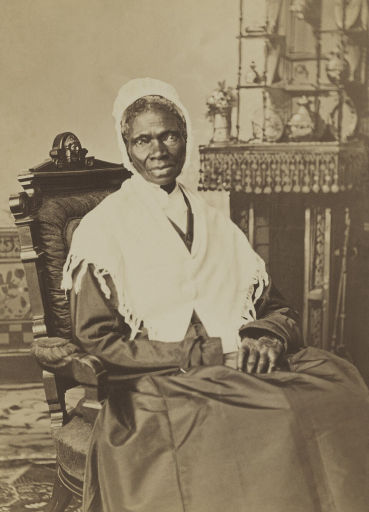
Sie nahm den Namen Sojourner Truth an und erklärte, sie sei berufen zu reisen und göttliche Wahrheit zu bezeugen. Von Ort zu Ort predigte sie gegen Sünde und Versklavung und erwarb den Ruf einer kraftvollen, frei gehaltenen Rednerin.
Sie schloss sich der Northampton Association an, einer über ethnische Grenzen hinweg organisierten utopischen Gemeinschaft mit enger Anbindung an abolitionistische Netzwerke. Dort traf sie Reformkräfte, schärfte ihre Argumente gegen die Sklaverei und sicherte sich durch gemeinschaftliche Arbeit den Lebensunterhalt.
Ihre Autobiografie, Olive Gilbert diktiert und von Abolitionisten unterstützt, wurde veröffentlicht, um ihre Vortragsreisen zu finanzieren. Das Werk schilderte die Versklavung in New York und rahmte ihr Leben als Beleg gegen menschliche Knechtschaft.
Auf einem Frauenrechtskongress in Akron hielt sie eine eindringliche Rede, die später mit dem Refrain „Bin ich etwa keine Frau?“ verbunden wurde. Ihr Beitrag stellte Rassismus und Sexismus zugleich infrage und verlangte Gleichheit als eine einzige moralische Forderung.
Bei einem angespannten Auftritt, begleitet von Gerüchten zu ihrer Diffamierung, trat sie Spöttern entgegen, die ihr Geschlecht und ihre Legitimität anzweifelten. Ihre ruhige, furchtlose Reaktion schützte ihre Glaubwürdigkeit und entlarvte die Grausamkeit politischer Verleumdung.
Während des Bürgerkriegs unterstützte sie befreite Menschen und ermutigte Schwarze zur Einberufung, als Emanzipation zum Kriegsziel der Union wurde. Durch Hilfsarbeit und öffentliche Reden verknüpfte sie den Sieg mit dauerhafter Freiheit und Bürgerrechten.
Sie traf Präsident Abraham Lincoln und sprach mit ihm über Krieg und Emanzipation in einem symbolischen Moment der Anerkennung. Der Besuch unterstrich ihren nationalen Rang als abolitionistische Stimme und als Vertreterin ehemals versklavter Menschen.
Nach dem Krieg stellte sie sich diskriminierenden Praktiken in den Straßenbahnen der Hauptstadt entgegen und bestand auf gleichem Zugang. Ihre direkte Aktion nahm spätere Bürgerrechtsstrategien vorweg und betonte die staatliche Verantwortung für die praktische Bedeutung der Freiheit.
Sie warb für Landverteilung und Neuansiedlung und argumentierte, dass Freiheit wirtschaftliche Unabhängigkeit voraussetze. Auf Reisen und durch Petitionen drängte sie Bundespolitiker, westliche Siedlerstellen und faire Behandlung für Schwarze Familien zu gewährleisten.
Als die Reconstruction inmitten von Gewalt und politischem Rückzug ins Wanken geriet, hielt sie weiterhin Vorträge über Wahlrecht und gleiche Würde. Ihre Reden verbanden Bibelstellen, gelebte Erfahrung und scharfen Humor, um Zuhörer im Norden und Mittleren Westen herauszufordern.
Sie starb nach Jahren fortgesetzter Fürsprache und nachlassender Gesundheit, umgeben von einer Gemeinschaft, die ihre nationale Wirkung anerkannte. Ihre Trauerfeier zog Bewunderer an, die ein Leben ehrten, das die Geschichte des Abolitionismus und der Frauenrechte nachhaltig prägte.